



Silk Quilt Insert: A Softer Way to Sleep
A well-made bed should feel considered from the first layer to the last. A silk quilt insert brings a particular kind of comfort: light over the body, softly insulating, and naturally responsive when the room shifts from a cool evening to a mild morning. It is bedding for those who prefer warmth without weight and a sleep space that feels quietly refined.
Silk is often associated with lustre and occasion, but inside a quilt it is remarkably practical. Its fine fibres create gentle loft without the bulk of many conventional fills, making it an elegant choice beneath relaxed linen duvet covers. The result is a bed that looks inviting and feels even better when the lights are out.
What makes a silk quilt insert different?
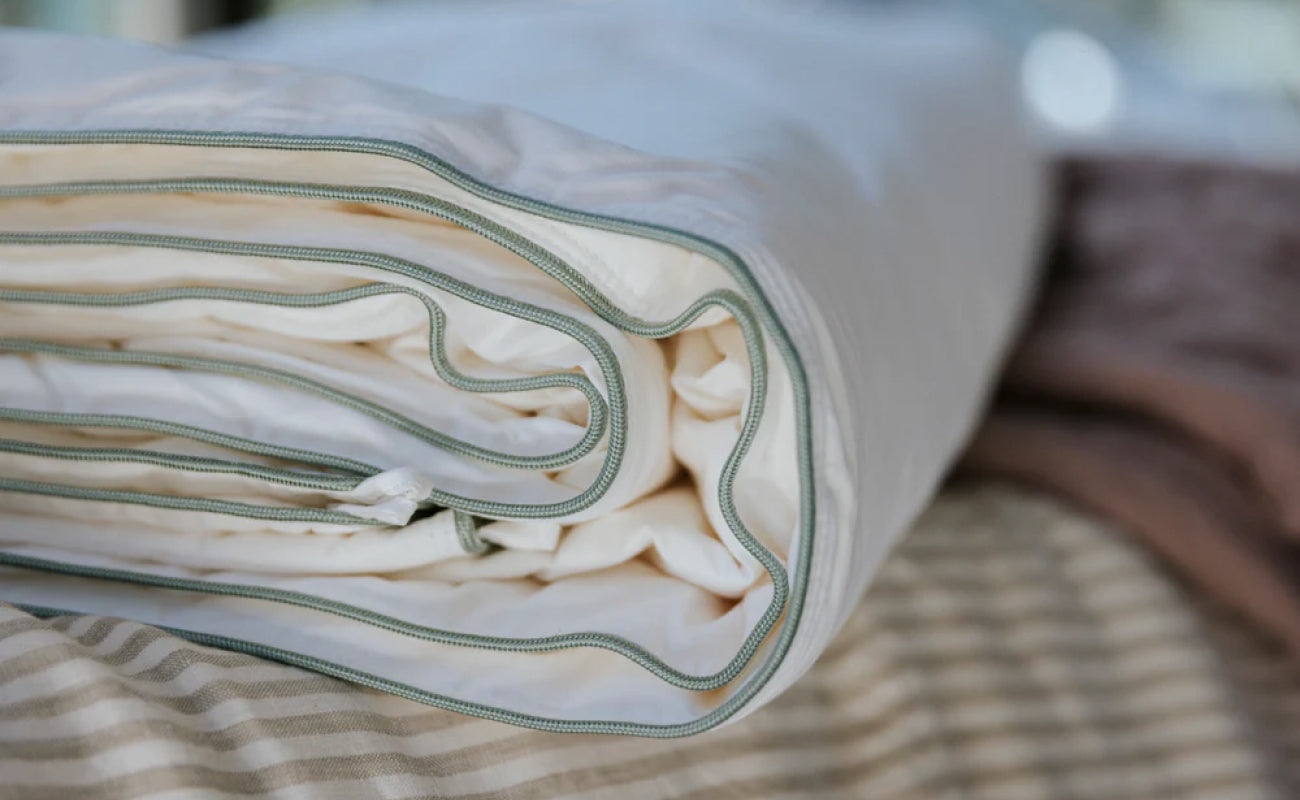
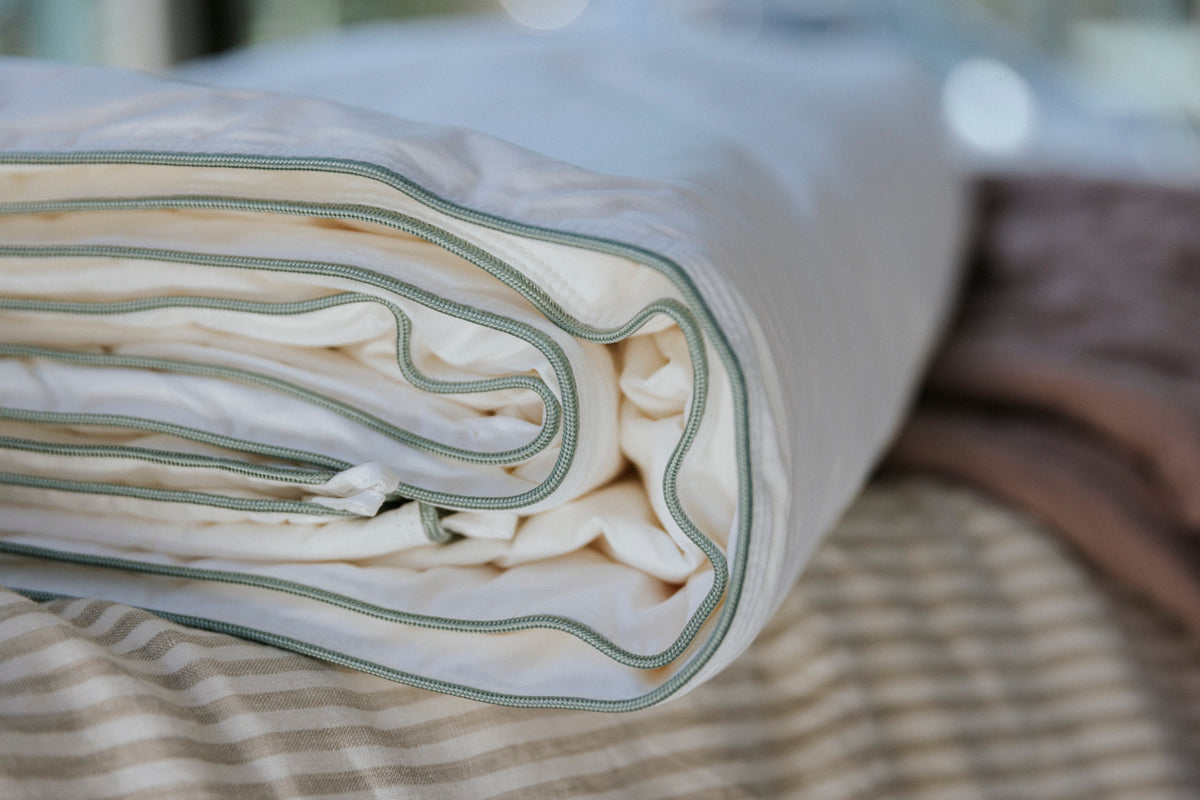
A quilt insert is defined by its fill, and silk offers a distinct alternative to down, wool and synthetic fibres. Long-strand silk floss is naturally light and airy, forming a smooth, close-to-the-body layer of insulation. Rather than trapping heat heavily, it helps create a more even sleeping temperature.
That balance is the appeal. A silk-filled quilt can feel warm enough for a cool Australian winter bedroom, yet less dense than a traditional high-loft quilt. For warm sleepers, or anyone who dislikes the slightly compressed feeling of a heavy doona, this lighter drape can make bedtime feel noticeably more comfortable.
Silk also has a naturally smooth fibre structure. While no bedding material can guarantee a particular sleep outcome for every person, many people appreciate silk fills for their clean, low-bulk feel. It is a thoughtful option for bedrooms where softness matters, but clutter and excess do not.
The feel: warmth without the weight
The character of a silk insert is subtle. It does not create the billowy volume of a very lofty down quilt, nor the denser, more substantial feel of wool. Instead, it settles smoothly across the bed with a gentle, streamlined drape.
This makes it especially suited to linen bedding. Linen has an easy texture and lived-in beauty, while silk provides a fine, insulating layer underneath. Together, they make the bed feel relaxed rather than over-styled - cool in appearance, soft in every layer.
Breathability across changing seasons
Australian homes can move through several temperatures in a single week, particularly in autumn and spring. A silk quilt insert is valued for its ability to feel less stifling than heavier fills when the night is mild, while still offering comfort as the temperature drops.
It is not a single answer for every climate. In a very cold inland home, a winter-weight silk quilt or an additional blanket may be the better choice. In tropical conditions, a lighter summer-weight insert may feel more appropriate. The right level of warmth depends on your bedroom temperature, whether you sleep with heating or cooling, and your own preference.
Choosing the right silk quilt insert
The best insert is not necessarily the warmest or the thickest. It is the one that suits the way you sleep and the way your bed is styled. Start with warmth, then consider size, cover fabric and how you want the finished bed to sit beneath your duvet cover.
Choose a weight for your room, not the calendar
Seasonal labels are useful, but they are only a starting point. A summer or lightweight silk quilt is ideal for naturally warm homes, hot sleepers and much of the year in warmer parts of Australia. A mid-weight option offers more versatility for temperate climates and bedrooms that cool down at night.
A winter-weight insert brings added insulation without sacrificing the lightness silk is known for. It can be a beautiful choice for cooler states, older homes with less insulation, or anyone who likes a cocooning bed in July. If you share a bed with someone who sleeps much warmer or cooler than you, layering is often more flexible than choosing an overly heavy insert. A silk quilt paired with a breathable blanket lets each season feel considered rather than fixed.
Get the size right for an elegant drape
Match the insert to your duvet cover size as a baseline. A queen insert is designed for a queen cover, and the same principle applies to king and super king beds. However, some people choose to size up when they prefer a more generous overhang at the sides.
This depends on the dimensions of the cover and the height of the mattress. An oversized insert can create a fuller, more luxurious-looking bed, but too much excess may shift inside the cover or make it harder to achieve neat corners. Measure your duvet cover before choosing, particularly if it has a relaxed, oversized cut.
For a polished finish, look for corner loops on the insert and internal ties on the cover where available. These small details help hold the filling in place, so the quilt stays evenly distributed and the bed retains its shape between washes.
Consider the outer casing
The fabric enclosing the silk matters as much as the fill. A finely woven cotton casing is commonly used because it is breathable and holds the silk securely. It should feel smooth but not plasticky, with enough structure to protect the fill without making the quilt noisy or stiff.
A quality casing also helps the insert sit beautifully beneath linen. The soft texture of a linen duvet cover remains the feature, while the quilt within adds a comfortable, even layer of warmth.
Styling silk beneath linen bedding
A silk insert is designed to work quietly. Choose a duvet cover in a natural fibre that allows air to circulate and feels good against the skin. Pure flax linen is especially well suited, bringing a relaxed texture that balances silk’s smooth, light character.
Keep the palette restrained if you want the bed to feel calm: oat, soft white, mineral grey, muted blue or an earthy clay tone. These colours let the differing textures do the work. For more depth, layer a folded linen blanket across the lower third of the bed and finish with two or three cushions rather than an overcrowded arrangement.
The aim is not formality. It is a bed that invites you in at the end of the day, then looks effortless again after a quick straighten in the morning.
Caring for a silk-filled quilt
Silk does not need frequent washing. In fact, regular laundering can be harder on delicate natural fibres than simple, consistent care. A removable duvet cover is your first line of protection, so wash the cover as needed and air the insert between uses.
On a dry, mild day, lay the quilt flat or hang it in a shaded, well-ventilated place for a few hours. Avoid prolonged direct sun, which can be harsh on natural fibres. Give it a gentle shake when changing the bed to help maintain an even distribution of fill.
When a deeper clean is required, always follow the care label. Many silk inserts are best professionally cleaned or spot cleaned rather than machine washed. Avoid bleach, fabric softener and high heat. These shortcuts can compromise the fibres and reduce the life of a beautifully made quilt.
For storage, ensure the insert is completely dry, then place it in a breathable cotton bag or its original fabric case. Avoid compressing it into plastic for long periods. Silk benefits from air circulation, and careful storage preserves its loft and softness for seasons to come.
Is silk the right fill for you?
A silk quilt insert suits sleepers who value a lighter, more breathable kind of warmth. It is particularly appealing if you find heavy doonas restrictive, prefer a smooth drape, or want a refined natural-fibre layer beneath your linen bedding.
There are trade-offs. Silk inserts are often an investment, and their care can be more considered than an everyday machine-washable synthetic quilt. Those who love maximum fluffiness may prefer down, while people seeking a more substantial, earthy weight may favour wool. Material preference is personal, and the best bedding is always the bedding you are pleased to return to each night.
Choose the warmth that suits your room, dress it in linen you love, and let the bed become one of the simplest comforts in your home.


Leave a comment
This site is protected by hCaptcha and the hCaptcha Privacy Policy and Terms of Service apply.