



How to Choose the Best Linen Duvet Cover
A duvet cover changes more than the look of a bed. It changes how the room feels at first light, how the fabric sits against skin at night, and whether your bedding becomes part of a calm routine or a small daily frustration. If you are searching for the best linen duvet cover, the difference is rarely in one headline feature. It comes down to fibre quality, finish, weight, construction and how well it suits the way you live.
Linen has a particular kind of appeal that mass-market bedding struggles to imitate. It is relaxed without looking careless, soft without feeling overly polished, and breathable in a way that suits Australian homes across seasons. The best pieces feel considered from the first touch, then grow even better with use.
What makes the best linen duvet cover?
A well-made linen duvet cover should feel easy to live with. That means breathable enough for warm nights, substantial enough for cooler months, and soft enough that you notice the comfort without needing a sales pitch to explain it. Linen made from flax naturally regulates temperature and allows airflow, which is one reason it remains a favourite for year-round bedding.
But not all linen feels the same. Some covers are woven from lower-grade fibres that can feel thin, stiff or loosely finished. Others strike a better balance - smooth but still textural, airy but not flimsy, relaxed but still refined on the bed. When people talk about the best linen duvet cover, they are usually describing that balance.
The fabric should drape well. It should have enough weight to look settled rather than flat, and enough softness to feel inviting rather than rustic. Good linen keeps its character while softening and getting better over time.
Start with the flax
The quality of the flax matters more than most shoppers realise. European flax is widely regarded as the benchmark because the climate, farming standards and processing expertise tend to produce stronger, more consistent fibres. That translates to bedding that feels better and lasts longer.
Certified European flax adds another layer of confidence. It signals traceability and material credibility, which matters when you are buying at a premium end of the market. A linen duvet cover can look beautiful in photos, but if the fibre quality is poor, that softness and structure will not hold up the same way after repeated washing.
This is where it helps to be selective. A lower price can be appealing, but it often means compromises in fibre length, finish or construction. If the goal is bedding that becomes part of your everyday ritual for years, not just a seasonal refresh, the fabric source is worth your attention.
Weight, texture and softness
Linen is not meant to feel slick. Its beauty is in its texture - a dry, airy hand-feel that softens gradually and settles into a lived-in finish. Still, there is a clear difference between linen that feels naturally textured and linen that feels simply coarse.
The best linen duvet cover usually sits in a mid-weight range. Too light, and it may lack that cocooning quality people want from a made bed. Too heavy, and it can feel dense or overly warm, especially in Australian conditions. Mid-weight linen tends to offer the most versatility. It layers well in winter and stays breathable in summer, particularly when paired with the right insert.
Softness is also worth reading carefully. Linen that has been pre-washed often feels more relaxed from the start, while still retaining durability. That initial softness matters if you want immediate comfort rather than a long breaking-in period. There is a place for more structured linen, but for everyday bedding, a softer finish tends to feel more luxurious.
Construction details that matter
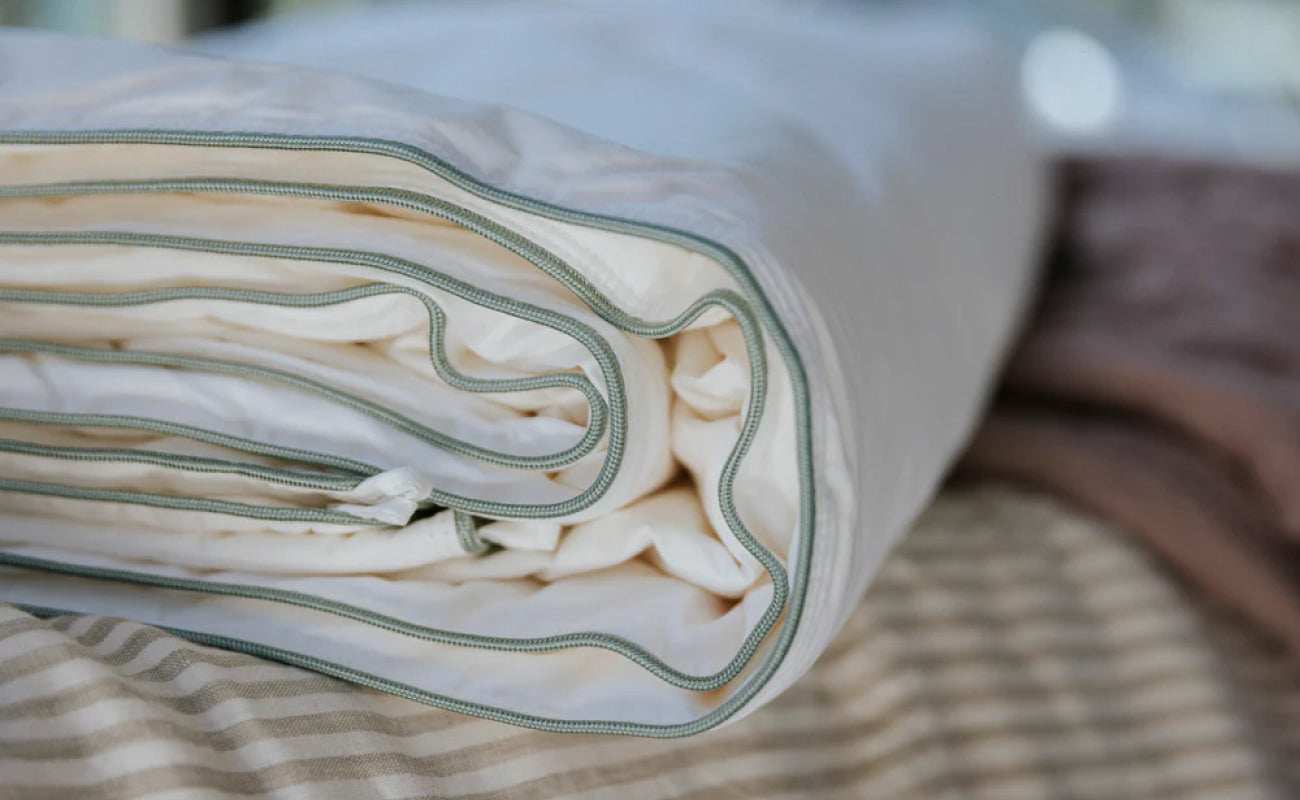
A premium duvet cover should do its job quietly. It should fit properly, stay secure around the insert and hold its shape after washing. These are small details until they are not.
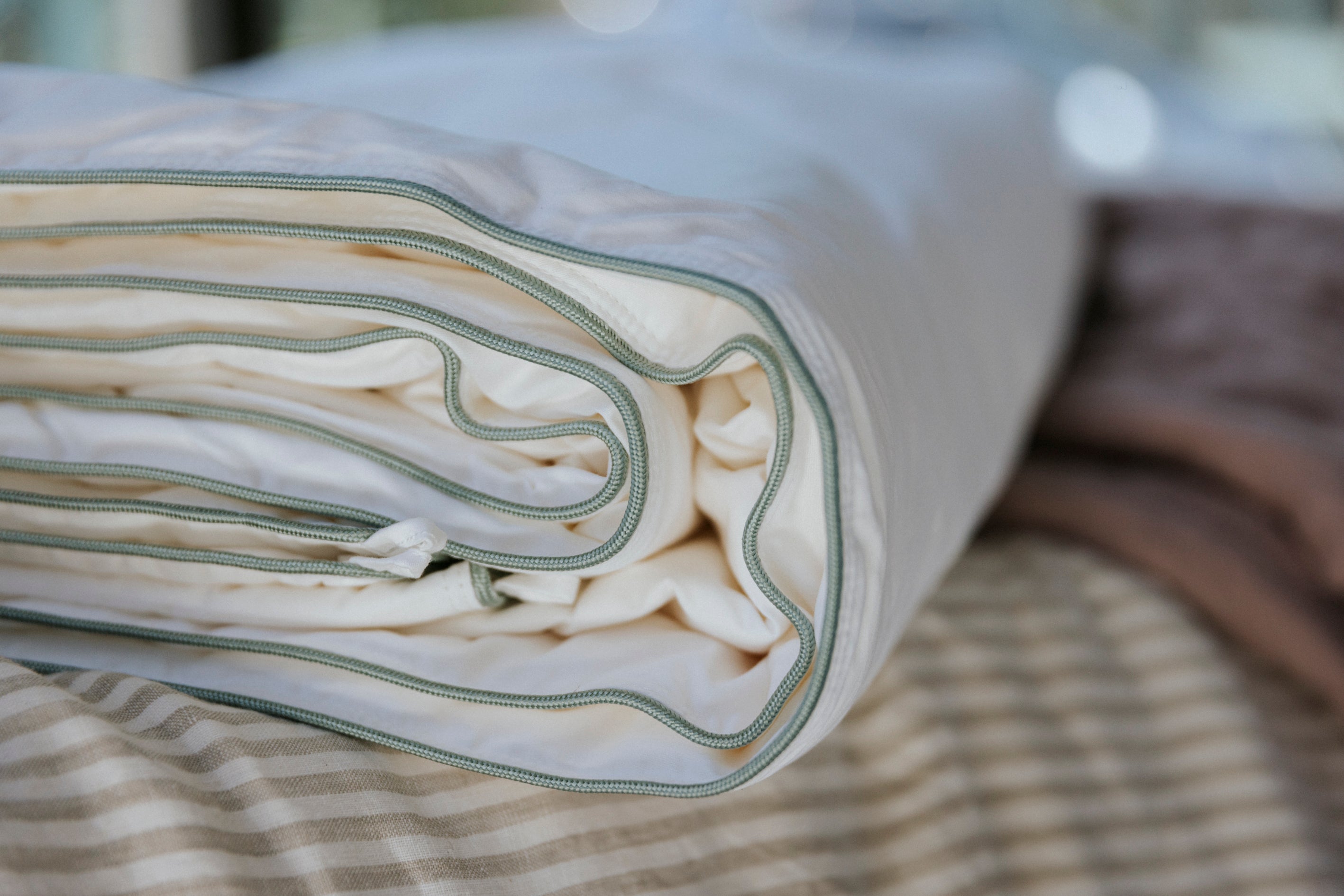
Look for practical closures that feel neat and considered rather than bulky. Button closures are often preferred for their clean finish, though the quality of the buttons matters as much as the style. Internal ties, like the ones we have at bedtonic can help keep the insert in place, which makes a real difference if you move a lot in sleep or dislike constant readjusting.
Seam quality is another sign of how well a cover is made. Neat stitching, consistent finishing and a stable weave all contribute to longevity. Linen is durable by nature, but the craftsmanship still has to support the fibre.
The best linen duvet cover for your bedroom style
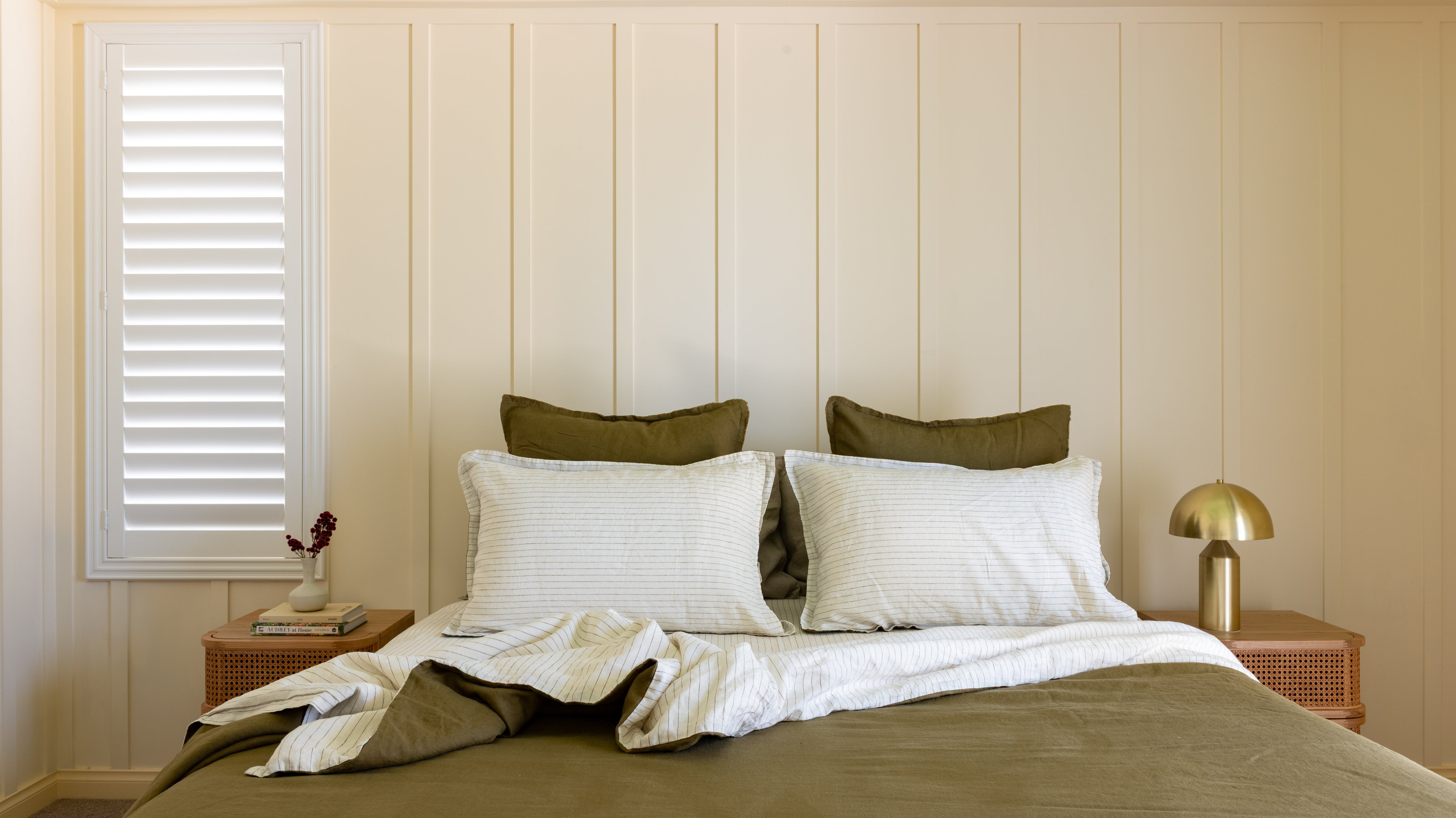
One of linen’s strengths is visual. It softens a room without making it feel overstyled. The surface catches light differently from cotton, giving the bed more depth and a quieter kind of luxury.
If your bedroom leans minimal, linen adds warmth without clutter. If your space has more layered styling, it works just as well with timber, stone, boucle, brushed metals or soft neutrals. Even stronger colours tend to look more grounded in linen because the fabric absorbs and diffuses colour in a gentler way.
This is why the best linen duvet cover is not only about feel. It should also suit the atmosphere you want to create. White and oat shades feel crisp and calm. Charcoal and deeper tones bring more contrast and a moodier edge. Soft clay, sage and muted blue tones can shift a bedroom without overwhelming it.
Rather than chasing a trend colour, it often makes sense to choose a shade you will still want to wake up with in two years. Linen rewards consistency. It tends to look better as part of an enduring palette than as a quick style decision.
Is linen always the right choice?
Not always, and that is part of buying well. If you want a perfectly smooth, hotel-style finish with very little texture, linen may not give you what you are after. It creases naturally and carries a relaxed look by design. For many people, that is exactly the appeal. For others, it can feel too informal.
Linen also sits at a higher price point than standard cotton covers. That cost reflects the fibre, the production process and the long-term durability, but it is still an investment. The value shows up over time in breathability, softness and wear, rather than in a dramatic first-week transformation.
If you like bedding with character, and you want something that feels elevated without being fussy, linen is hard to beat. If your priority is a crisp, pressed finish every day, you may prefer another fabric.
Caring for a linen duvet cover
The best linen duvet cover should become softer with every wash, not more fragile. Linen is relatively low-maintenance, but good care keeps the fabric looking and feeling its best.
A gentle machine wash with mild detergent is usually enough. Overly harsh products can strip the fibre and dull its feel. Air drying is ideal when possible, though tumble drying on a low setting can help bring out softness. The slightly rumpled finish is part of linen’s charm, so there is rarely any need to press it unless you prefer a neater look.
Washing separately from heavy items and avoiding overloading the machine can also help preserve the weave. Good linen is durable, but it responds well to a little restraint.
A note on trust and brand quality
When buying premium bedding online, the fabric description is only part of the picture. Consistency matters. So does trust. Reviews, product clarity and a focused material story can tell you a lot about whether a brand understands linen properly or is simply selling into the trend.
A brand built around natural fibres tends to make stronger decisions about weight, finish and everyday use than one treating linen as a side category. That depth matters when you are looking for bedding that feels cohesive rather than generic. Here at bedtonic, for example, we centre our collections around pure flax linen and a quieter, more elevated approach to daily living, which is exactly the context where linen makes the most sense.
How to decide what is best for you
The best linen duvet cover is not necessarily the heaviest, the softest or the most expensive. It is the one that feels right in your room, against your skin and through the seasons you actually live in. For some, that means a light neutral with an airy finish. For others, it means a richer shade, a denser weave and more cocooning weight.
If you can, pay attention to material provenance, pre-washing, closure details and the overall hand-feel described. Read beyond the headline promises. Premium linen should offer comfort and ease, but also a sense of permanence - something beautifully made that earns its place over time.
A bedroom rarely needs more noise. It needs better layers, better texture and fabric you want to return to at the end of the day.

Leave a comment
This site is protected by hCaptcha and the hCaptcha Privacy Policy and Terms of Service apply.