

Article: Sleepwear Trends for Softer Evenings in 2026
Sleepwear Trends for Softer Evenings in 2026
The bedroom is no longer the only place sleepwear belongs. The strongest sleepwear trends are shaped by slower mornings, evening wind-down rituals and pieces that feel considered enough for a coffee on the balcony. Comfort remains essential, but it now comes with a clearer point of view: natural fibres, relaxed tailoring and colours that sit quietly within the home.
For a wardrobe that works beyond one season, the focus is less on novelty and more on fabric, fit and the small details that make getting dressed for bed feel like a pleasure.
Sleepwear trends favour considered comfort
The move away from overly fitted, synthetic sleepwear continues. Instead, pyjamas are becoming softer in shape and more generous in proportion. Think easy shirts with a straight hem, wide-leg trousers that do not cling, and slips or nightdresses with enough ease to move freely through the night.
This is not about oversized for the sake of it. A well-cut relaxed silhouette should still feel intentional. A shoulder seam that sits neatly, a waistband that rests comfortably and a hem that falls cleanly can make the difference between borrowed-looking loungewear and sleepwear you reach for every evening.
Matching sets remain a favourite because they bring a sense of order to the end of the day. Yet separates offer their own appeal. A linen shirt worn with relaxed shorts in summer, or a soft long-sleeve top paired with drawstring trousers in winter, gives more room to dress for the temperature rather than the calendar.
Natural fibres are setting the standard
Sleep is personal, and no single fabric suits every sleeper or every Australian climate. Still, the growing preference for natural fibres reflects a simple desire: to feel comfortable without feeling wrapped in something overly warm, shiny or restrictive.
Linen for warm nights and relaxed texture
Pure flax linen is especially suited to sleepwear with an easy, lived-in character. Its breathable weave helps air circulate, making it a thoughtful option for humid evenings and sleepers who tend to run warm. It also has a dry, textured hand that feels distinct from conventional cotton.
Linen begins with a little structure and becomes softer with wear and washing. That progression is part of its appeal. Rather than needing to stay perfectly pressed, it looks at home with a gentle crease, whether worn to bed or while making breakfast in a sunlit kitchen.
For cooler months, linen can still earn its place as a base layer. Pairing linen pyjamas with a fine knit, socks and a quilted robe creates warmth without the heaviness of a thick synthetic set. It depends on the room temperature, of course, but layering is often more practical than relying on one very warm fabric.
Silk and cotton have their place
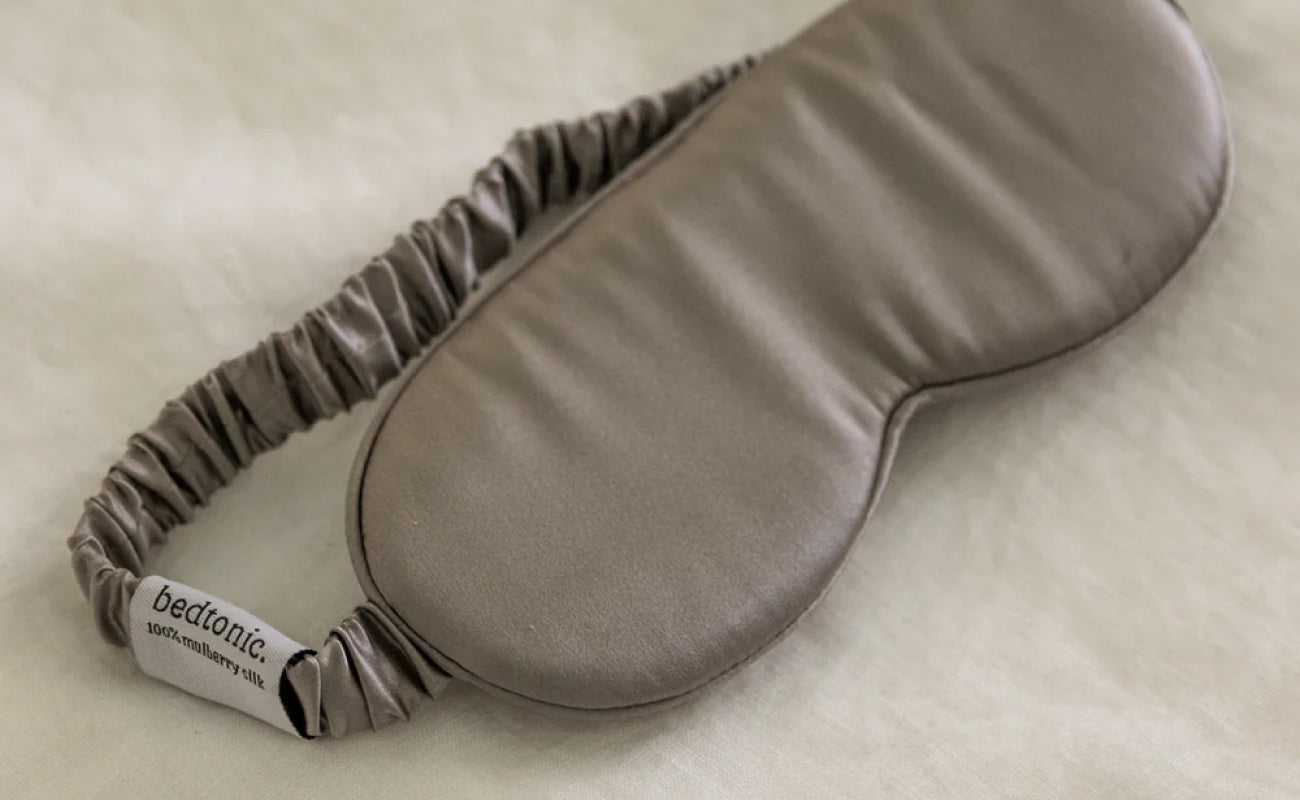
Silk sleepwear offers a smooth, fluid finish and a more dressed-up mood. It can feel beautifully light against the skin, particularly for occasion gifting or warmer evenings, although it generally asks for more careful laundering and may not suit those who prefer a matte, relaxed look.
Cotton remains familiar and versatile, especially in crisp poplin or soft jersey. The trade-off is aesthetic as much as practical. Jersey can feel cosy but may lose shape over time, while poplin feels polished yet can be less forgiving if you prefer a loose, draped fit. Choosing well comes down to how you like to sleep and how you want your evenings at home to feel.
The new silhouette is easy, not careless
Sleepwear is borrowing from resort dressing and classic shirting, but with a quieter finish. Button-through pyjama shirts, camp collars, elasticated trousers and simple sleeveless dresses are all enduring shapes because they are functional as well as attractive.
The most wearable pieces leave space at the waist, hip and armhole. This is particularly valuable in warmer weather, when tight elastic or fitted sleeves can become distracting. Look for adjustable drawstrings where possible, but avoid cords that feel bulky when lying down.
Length matters too. Cropped trousers can be ideal through a mild Australian autumn, while full-length pants offer a little more coverage on cool mornings. Shorts should be cut with enough room through the leg to sit comfortably, rather than riding up overnight. These details are quiet, but they shape how often a piece is worn.
Muted colour and subtle detail lead the look
Sleepwear colour is becoming more connected to the wider home. Soft oat, warm white, washed charcoal, clay, pale blue and gentle botanical tones create a calm visual link between the bed, bathroom and wardrobe. They are also easier to keep in rotation than high-contrast novelty prints.
That does not mean every bedroom needs to be neutral. A deep olive, faded rose or inky blue can bring richness without disrupting the feeling of rest. The key is choosing colour with longevity in mind - something you will still want to wear after the season has passed.
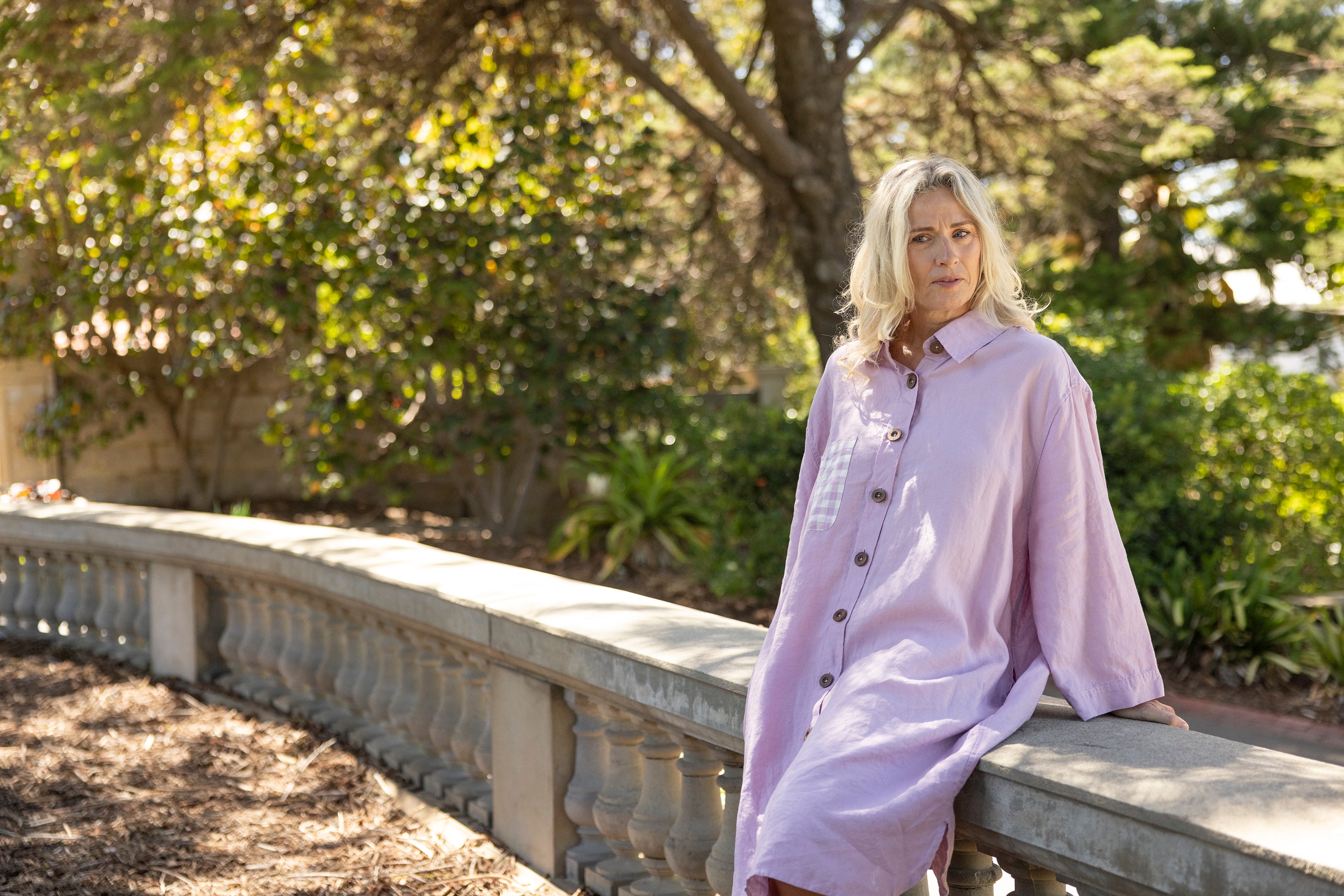
Details are restrained. Fine piping, corozo-style buttons, simple patch pockets and tonal embroidery add interest without making sleepwear feel fussy. Large logos and heavily themed slogans have less staying power, particularly when a garment is designed to be visible during unhurried mornings at home.
Build a sleepwear wardrobe around real routines
A small rotation generally works better than an overflowing drawer. Consider the temperature of your bedroom, your laundry rhythm and whether your sleepwear often becomes loungewear before you get dressed for the day.
Start with two or three core options: a breathable short set for hot nights, a long-sleeve set for cooler weather and one layer that can be thrown on when the doorbell rings or the kettle goes on. A robe, overshirt or lightweight coat can bring useful coverage while preserving the ease of your sleepwear underneath.
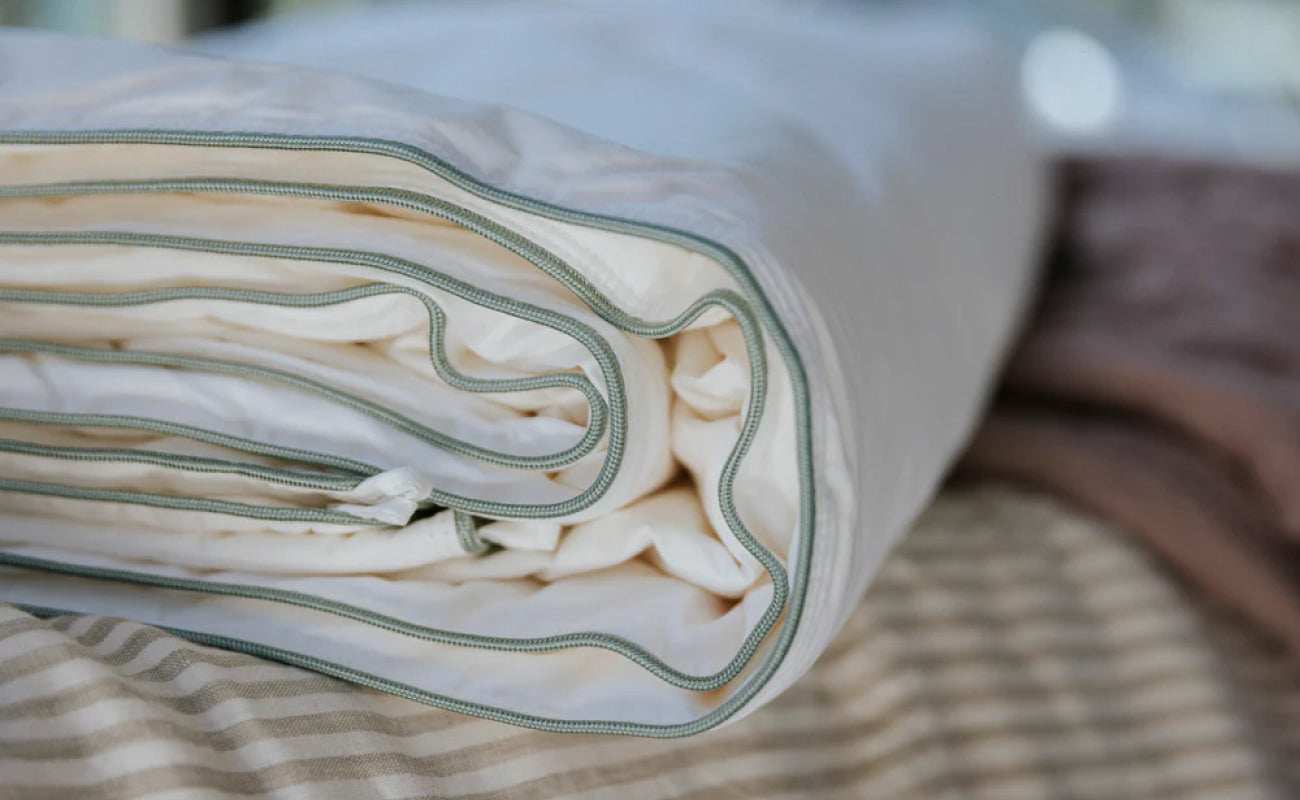
Then consider how each piece works with your bedding. Linen pyjamas beside linen sheets create a cohesive, tactile setting, but matching exactly is not necessary. A warm white sleep set against striped bedding, or a muted blue set with natural flax sheets, can feel collected rather than coordinated.
At Bedtonic, this approach sits naturally within a wider linen lifestyle: pieces chosen for how they feel in use, not only how they photograph. The best sleepwear is made to become part of the rhythm of home - washed, worn, softened and returned to often.
What to look for before you choose
Fabric composition should be the first consideration. Check that a natural fibre is genuinely the main material, rather than a small percentage used to support a synthetic blend. This matters for hand feel, breathability and the way the garment will age.
Next, consider construction. Flat or neatly finished seams reduce irritation, secure buttons prevent frustration, and quality elastic should recover without pinching. If buying linen, expect its characteristic texture rather than the slippery softness of sateen. That texture is precisely what gives flax linen its relaxed character, and it will soften further with time.
Finally, be honest about care. A beautiful garment that requires a routine you will not maintain may spend too long in the cupboard. Choose pieces you can wash and dry with confidence, then follow the care instructions to protect their shape and colour.
The right sleepwear does not need to announce itself. It should make the last hour of the day feel lighter, and the first hour feel a little more composed.


Leave a comment
This site is protected by hCaptcha and the hCaptcha Privacy Policy and Terms of Service apply.