



Best Natural Fibre Bedding for Better Sleep
Some bedding looks beautiful for a season, then pills, traps heat, or loses its shape after a few washes. The best natural fibre bedding earns its place more quietly - through breathability, texture, longevity and the way it improves the feel of a room as much as the quality of sleep.
For a design-conscious home, bedding is never just functional. It sits at the centre of daily routine, affecting comfort, temperature and the overall mood of the bedroom. Natural fibres stand apart because they offer a more considered kind of luxury - one grounded in material quality rather than finish alone.
What makes the best natural fibre bedding?
Not all natural fibres perform in the same way, and not every sleeper needs the same thing. If you sleep warm, live in a humid climate, or prefer a relaxed, airy bed, your ideal fabric will look different from someone chasing crisp structure or insulated warmth.
The best natural fibre bedding usually balances five qualities well: breathability, softness, durability, temperature regulation and visual appeal. It should feel good against the skin, sit beautifully on the bed, and continue to perform over time. That last point matters. Premium bedding is an investment, so the fabric needs to reward repeated use rather than simply photograph well on day one.
There is also the question of finish. Some fibres begin soft and stay polished. Others, like flax linen, soften gradually and develop character with every wash. Neither is inherently better - it depends on whether you want immediate smoothness or a more lived-in elegance.
The leading natural fibres to consider
Linen
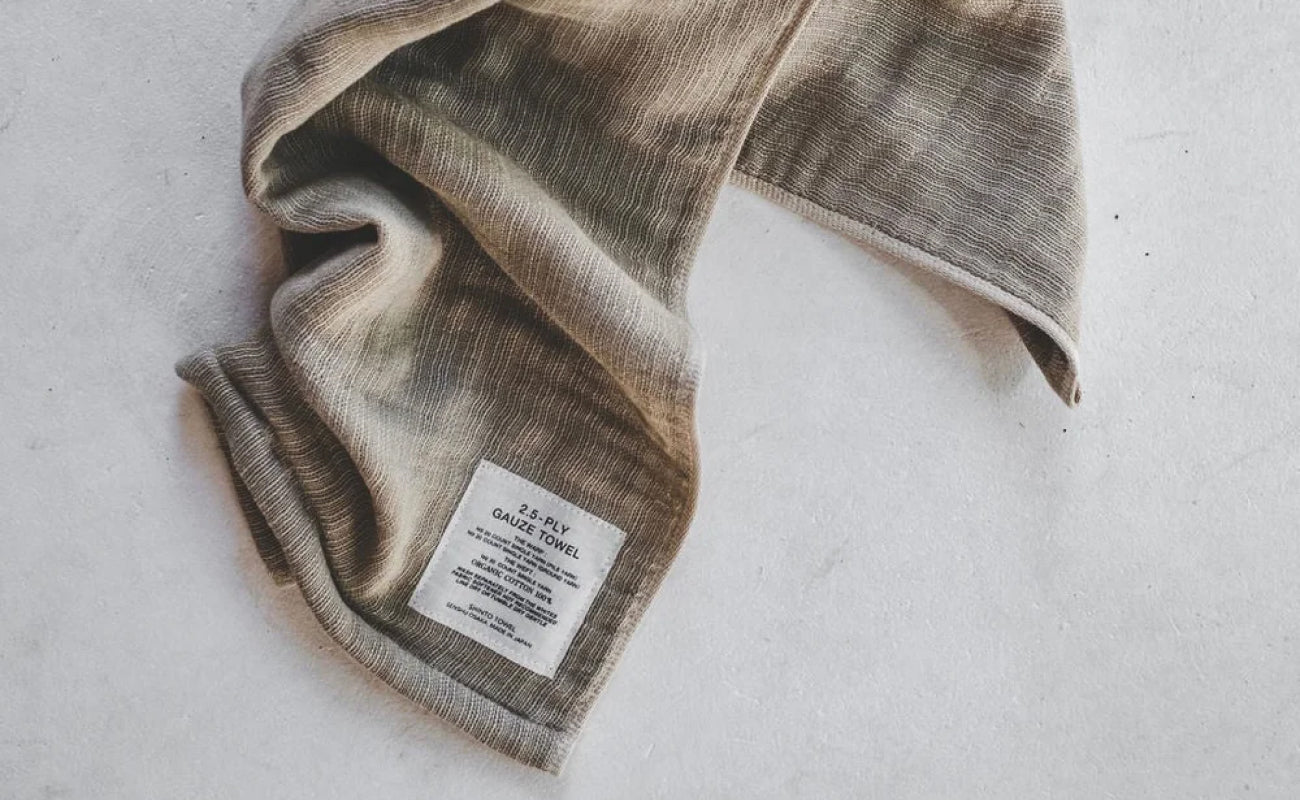
If the goal is bedding that feels elevated without trying too hard, linen is often the strongest choice. Made from flax, linen is naturally breathable, moisture-wicking and durable. It allows air to move more freely than many tightly woven fabrics, which makes it especially appealing in the Australian climate.
Its texture is part of its charm. Linen has a relaxed drape and matte finish that brings softness to a room visually, even before you get into bed. Over time, it becomes softer without losing integrity. That combination of ease and longevity is difficult to beat.
Linen does have a distinct hand feel. It is not glossy or overly smooth, and those expecting the slick finish of sateen may need an adjustment period. But for many people, that subtle texture is exactly what makes it feel refined. It has presence, but never fuss.
Cotton
Cotton is familiar for good reason. It can be soft, breathable and easy to care for, and there are several weaves to choose from. Percale offers a crisp, cool finish, while sateen feels smoother and slightly heavier.
The catch is that cotton is a broad category. Quality varies significantly depending on fibre length, weave and finish. Lower-quality cotton can thin, pill or lose freshness more quickly than expected. Even premium cotton, while comfortable, does not always offer the same moisture management or long-term character as linen.
For sleepers who want a more classic hotel-style finish, cotton remains a solid option. For those wanting a softer, more organic look with stronger temperature regulation, it may not be the final answer.
Silk
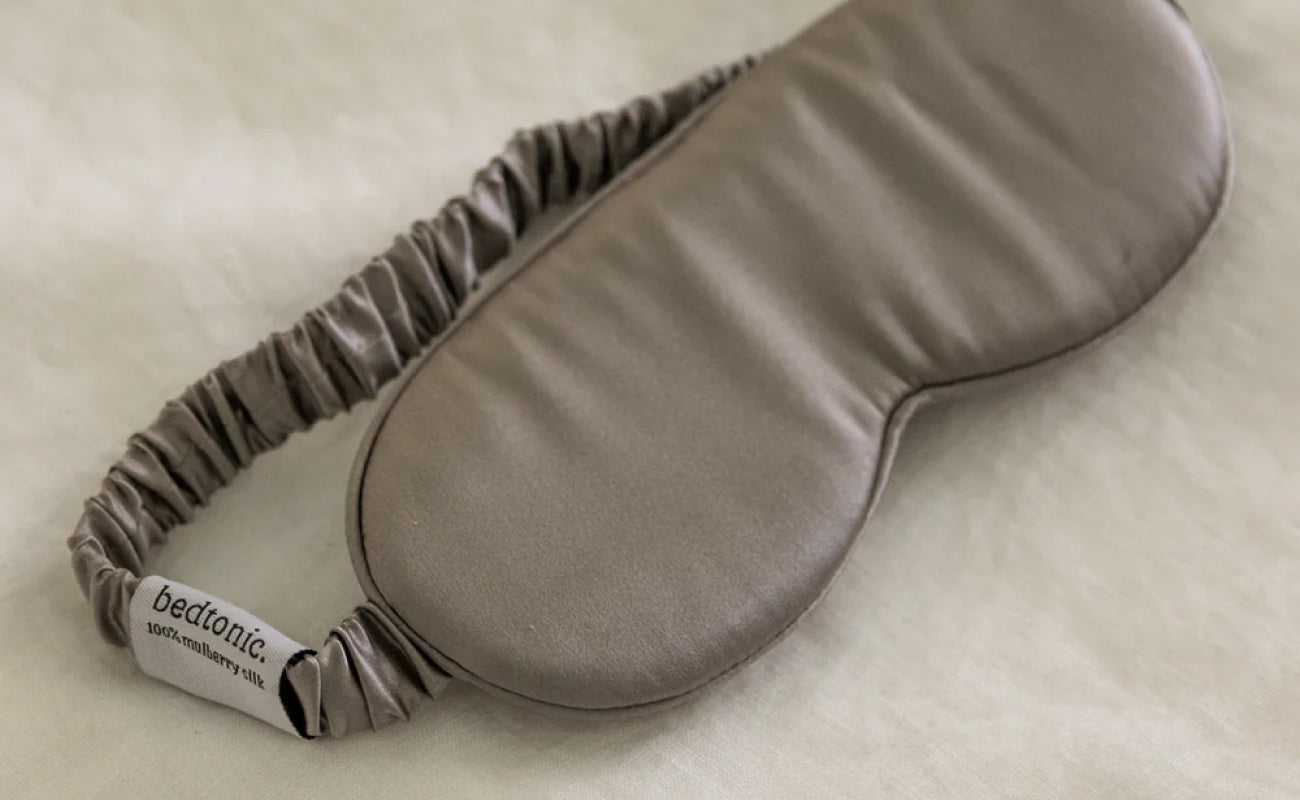
Silk has an unmistakable feel - smooth, cool and light against the skin. It is often chosen for its luxury factor, but it also has practical benefits. Silk can be gentle on hair and skin, and it tends to regulate temperature better than many synthetic fabrics.
Still, silk is not always the most practical choice for everyday bedding. It requires more careful laundering, can feel delicate in a busy household, and usually comes at a higher price point. For pillowcases or layering pieces, it can be a beautiful addition. For full bedding sets, it suits a narrower lifestyle.
Wool
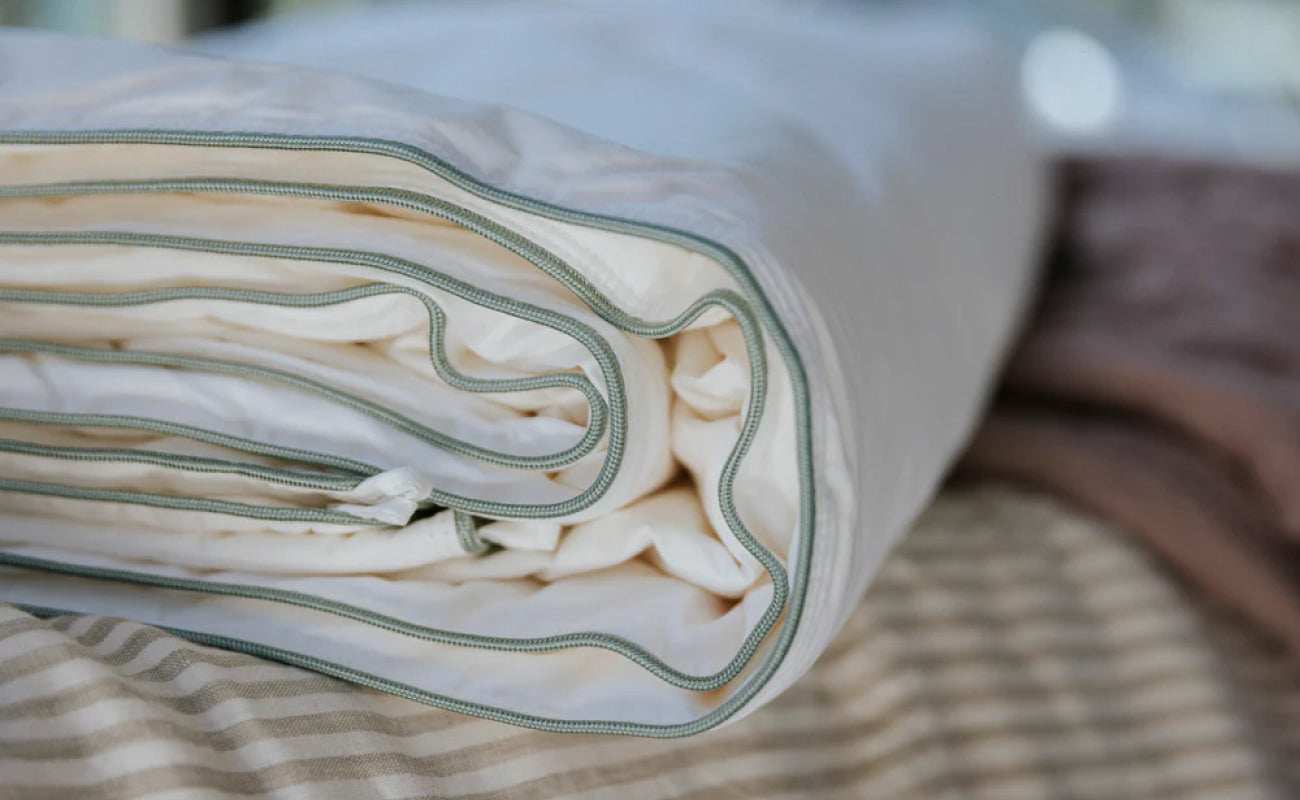
Wool is more common in inserts, blankets and winter layers than in sheet sets, but it deserves a place in the conversation. It is naturally insulating, breathable and effective at regulating body temperature. Good wool bedding can keep you warm without the heavy, stifling feel associated with synthetic fills.
Its role is usually supportive rather than foundational. Wool excels in doonas, mattress toppers and blankets, especially in cooler months. Against the skin, however, most people still prefer linen, cotton or silk.
Why linen often leads the category
Best natural fibre bedding for Australian conditions
Australian bedrooms ask a lot of bedding. Warm nights, shifting seasons and humidity in many regions mean fabric choice matters more than marketing language. Linen performs especially well here because it breathes openly and absorbs moisture without feeling damp or heavy.
That makes a real difference in everyday sleep. Instead of clinging or overheating, linen helps create a drier, lighter sleep environment. In summer, it feels airy. In cooler weather, it layers beautifully and still insulates once you are under the covers.
There is also the aesthetic side. Linen suits the relaxed, pared-back interiors many Australian homes lean towards. Its natural creasing is part of the finish, not something to fight. The bed looks composed, soft and effortless.
Durability that justifies the investment
The best bedding is not cheap bedding that needs replacing every year. Linen tends to reward long-term ownership. High-quality flax fibres are naturally strong, which means well-made linen sheets can withstand years of washing and use while becoming more supple over time.
That ageing process matters. Some fabrics peak early and slowly decline. Linen tends to do the opposite. When sourced well and finished properly, it develops a softness that feels personal - less showroom-perfect, more luxurious in a lived-in way.
How to choose the right bedding for your sleep style
The best natural fibre bedding is ultimately the one that suits how you sleep and how you want your bedroom to feel. If you run hot, start with breathability. Linen and percale cotton are usually the strongest options. If your priority is smoothness, sateen cotton or silk may appeal more.
If appearance matters as much as feel, think about the finish you want on the bed. Linen offers texture, depth and a quieter kind of polish. Cotton reads cleaner and crisper. Silk feels more opulent, though less relaxed.
Care is worth considering too. Linen and cotton are generally straightforward, though linen benefits from gentle washing and a little room to move in the machine. Silk asks for more caution. Wool requires thoughtful storage and care depending on the piece.
For many households, a layered approach makes the most sense. Linen sheets, a silk pillowcase and a wool doona can work together beautifully. Natural fibres do not need to compete - they often perform best in combination.
What to look for in premium natural fibre bedding
Material claims should be specific. It is not enough for bedding to be labelled natural if the fabric blend is diluted with synthetics or the source is unclear. Fibre quality, origin and certification all help signal whether a product is likely to perform as promised.
With linen, flax quality matters. European flax is widely regarded for its consistency, softness and strength, and certified sourcing adds another layer of confidence. Construction matters too - from stitching and sizing to how the fabric has been pre-washed or finished.
This is where a more curated brand approach can be valuable. Rather than offering every possible fabric under the sun, brands with a clear material point of view often produce a more refined result. Bedtonic, for example, centres its bedding around 100% pure flax linen with an emphasis on softness, quality and everyday ease - a strong fit for those seeking bedding that feels as considered as the rest of the home.
Choosing bedding that lasts beyond trends
Trends come and go quickly in home styling, but bedding should hold its relevance longer than a seasonal palette. Natural fibres have that staying power because they appeal through feel and function first. They do not rely on shine, excessive finishing or novelty to create impact.
That is why the best choices often feel restrained. A linen sheet set in a grounded neutral. A cotton layer that brings crisp contrast. A wool blanket folded at the end of the bed. These are the details that shape a room quietly and improve daily life at the same time.
If you are choosing one place to spend a little more thoughtfully, the bed is a good one. Natural fibre bedding changes the experience of rest in a way synthetic alternatives rarely do. It feels better, breathes better and, when chosen well, only gets better with age.
The most satisfying homes are built through small, tactile decisions. Bedding is one of them - and the right natural fibre can make the whole room feel softer, calmer and more complete.


Leave a comment
This site is protected by hCaptcha and the hCaptcha Privacy Policy and Terms of Service apply.