



Silk Versus Down Doona for Australian Sleep
A doona has a quiet but defining role in the bedroom. It determines whether you wake up comfortably warm or spend the night pushing covers aside, then pulling them back again. When choosing a silk versus down doona, the better option is not simply the warmest or most luxurious. It is the fill that suits your temperature, climate and preference for weight.
Both are natural fibres with a distinctly premium feel. Yet silk and down create warmth in very different ways. One feels light, smooth and gently regulating; the other offers loft, volume and a more enveloping sense of insulation.
Silk versus down doona: the essential difference
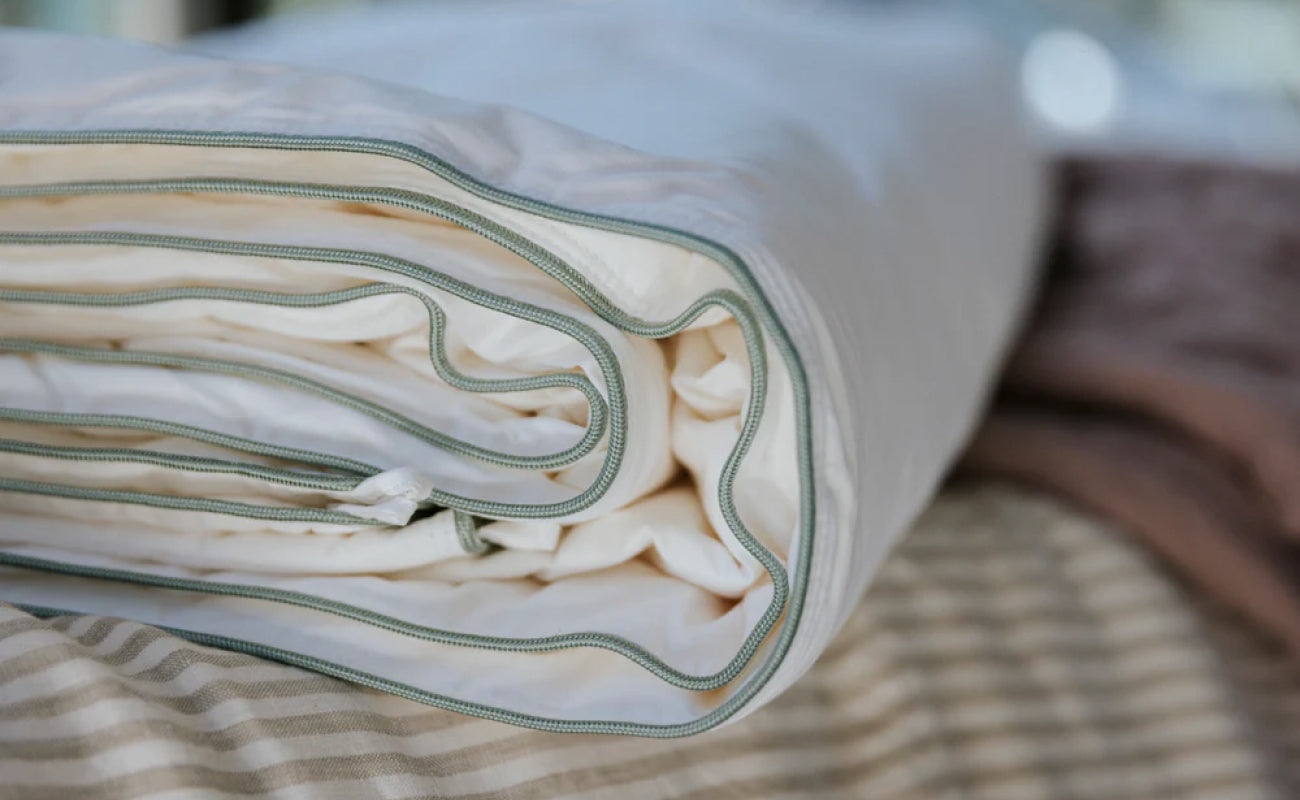
A silk doona is filled with long, fine silk fibres layered to create insulation without much bulk. Silk is naturally breathable and known for its ability to help moderate temperature, making it especially appealing for sleepers who run warm or share a bed with someone whose temperature is entirely different.
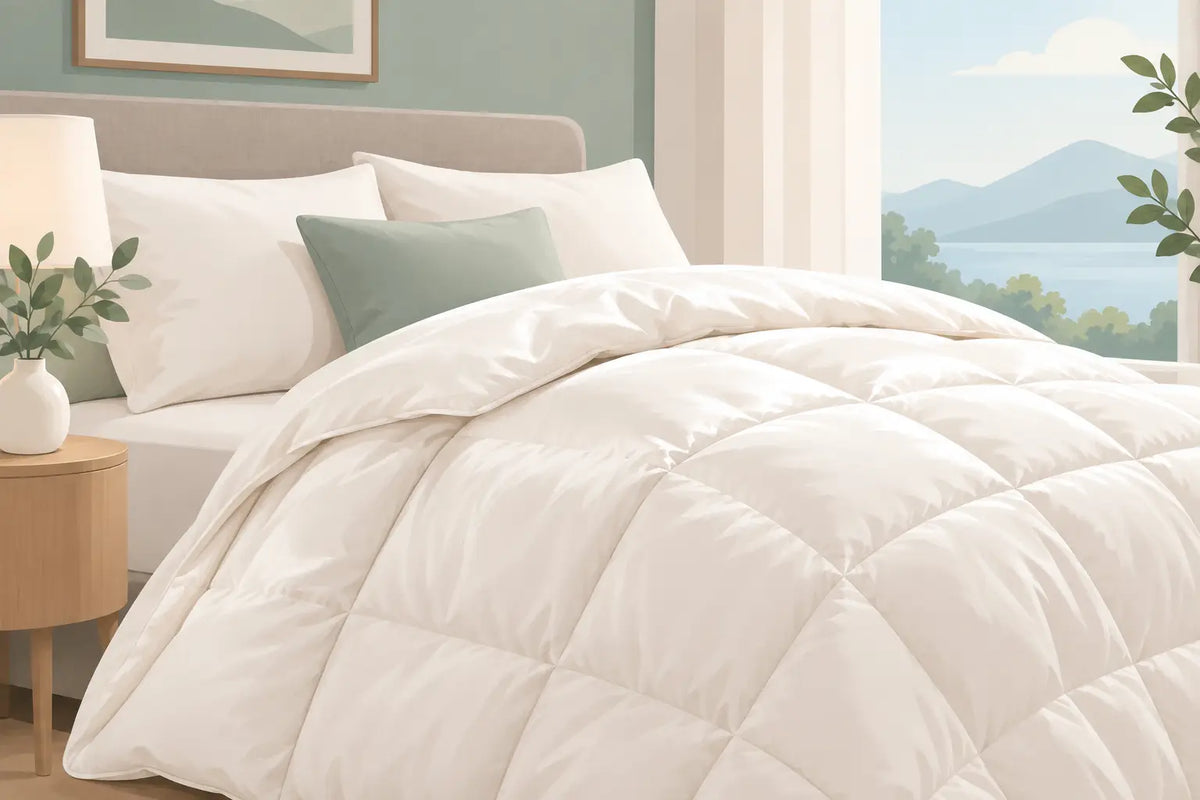
A down doona is filled with the soft under-plumage found beneath a duck or goose’s outer feathers. These clusters trap pockets of air, creating its signature loft and warmth. Good-quality down can be remarkably light for its warmth, but the experience is fuller and puffier than silk.
The distinction is felt immediately. Silk lies closer and flatter over the body, with a graceful drape that suits a considered, low-profile bed. Down has more lift. It creates the cloud-like volume many people associate with a traditional hotel bed.
Warmth is about regulation, not just insulation
For Australian homes, a doona needs to work across more than one kind of night. Winters can be crisp in Melbourne, Canberra and the Southern Highlands, while coastal humidity and mild evenings elsewhere call for a less insulating layer. Central heating, open windows and differing sleep temperatures also change the equation.
Silk is an excellent choice for year-round comfort in temperate conditions. Its fibres can help move moisture away from the body and release excess heat, so the warmth feels balanced rather than close or stifling. This is particularly valuable for hot sleepers, people experiencing night sweats, or anyone who dislikes the feeling of heavy bedding.
Down provides more immediate insulation. In a cool bedroom, it warms quickly and holds that warmth effectively. If you prefer a cosy, cocooned feeling or live in a genuinely cold climate, down can be deeply comfortable. The trade-off is that a higher-loft down doona may feel too warm once the room temperature rises.
Neither material is automatically warmer. A silk doona’s warmth depends on its fill weight, while down is commonly assessed by fill power and overall fill weight. Comparing the stated warmth rating or seasonal suitability matters more than comparing the fibre name alone.
For warm sleepers and changeable nights
Silk usually has the advantage. It offers a lighter, steadier kind of warmth that does not rely on creating a thick insulating pocket around you. A summer-weight or all-season silk doona can be an elegant option for most Australian bedrooms, particularly when paired with breathable linen bedding.
For very cold rooms
Down often has the edge, provided you choose a responsibly sourced, high-quality option with a warmth rating suited to winter. Its loft is designed to retain warm air, making it a reassuring layer in older homes, unheated rooms or cold inland locations.
Weight, drape and the feeling of the bed
Comfort is tactile. Some sleepers love the soft pressure of a substantial doona; others want almost no weight at all.
Silk has a refined, close-to-the-body drape. It does not billow in the same way as down, and its relatively low profile gives the bed a calm, tailored appearance. There is enough presence to feel held, without the puffiness or shifting bulk of a lofty fill. For those who want a bedroom that feels considered rather than overfilled, silk is naturally suited to the look.
Down feels more buoyant. A well-made down doona rises around the body and has a gentle spring when you move beneath it. This can feel wonderfully indulgent, but it may not appeal to someone who dislikes volume or finds lofty bedding cumbersome when making the bed.
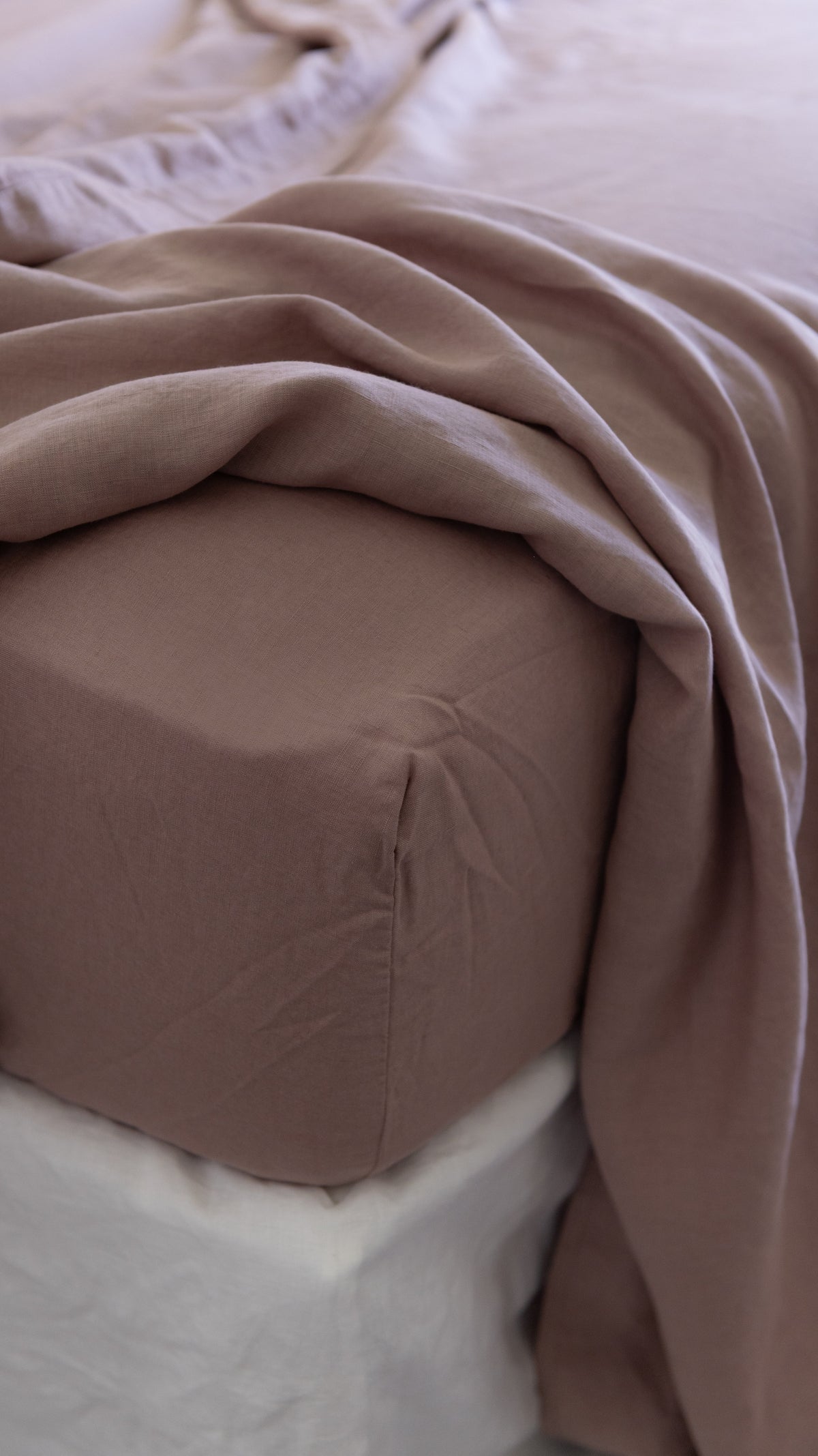
Your doona cover changes the experience, too. Linen brings breathability and relaxed texture to either fill. Its easy, lived-in softness complements silk’s understated drape especially well, while also tempering the more formal, cloud-like appearance of down.
Breathability and moisture management
The most comfortable bedding allows the body to settle into a stable temperature. It does not trap every bit of heat or humidity under the covers.
Silk performs beautifully here. As a natural protein fibre, it can absorb a degree of moisture while remaining dry-feeling against the body. The result is a sleeping environment that feels composed and comfortable through temperature changes. This does not mean a silk doona will feel cool in winter. Rather, it is less likely to feel overly warm when the night shifts.
Down is breathable as well, especially when the fill is high quality and the shell is made from natural cotton. However, its purpose is to build loft and retain air, which means it is inherently more insulating. For sleepers who overheat easily, that insulation can become too effective.
If breathability is your priority, look beyond the filling. Choose a doona with a natural-fibre casing and pair it with sheets that allow air to circulate. Pure flax linen is particularly well suited to this role, with a breathable weave that feels fresh in summer and comforting through cooler months.
Care, longevity and everyday practicality
A doona should feel beautiful on the bed, but it must also suit the way you live. Care requirements are one of the more practical differences between silk and down.
Silk inserts should generally be spot-cleaned and aired regularly rather than machine washed. Their long fibres are delicate, and care instructions should always come first. A removable doona cover is essential, protecting the insert while letting you wash the layer closest to your skin as often as needed. With considered care, silk can remain a lovely long-term choice.
Down also needs thoughtful maintenance. It benefits from regular airing and a gentle shake to restore loft. Some down doonas can be professionally cleaned or carefully machine washed, though they need ample drying time to prevent clumping and retain their fullness. A down doona may require more effort to dry properly than a silk insert.
For either choice, a breathable storage bag is preferable to compressed plastic. Store the doona clean and completely dry in the warmer months, away from dampness and direct sunlight.
Allergies, sourcing and personal preference
Silk is often chosen by people who value its naturally smooth, low-dust profile, though no bedding material can guarantee an allergy-free sleep environment. Regularly washing your doona cover, sheets and pillowcases remains the most useful part of a clean bedding routine.
With down, quality and sourcing matter greatly. Look for clear information about responsibly sourced down and feather content. A higher proportion of down to feather generally produces greater loft with less weight, while added feathers can make a doona heavier and firmer.
There is also a simple emotional consideration. Silk appeals to those drawn to natural materials, quiet luxury and a more breathable, refined sleep layer. Down suits those who want traditional winter comfort and the visual softness of a generously filled bed. One is not a compromise against the other. They serve different sleep preferences.
Which doona should you choose?
Choose silk if you sleep warm, prefer a lighter drape, live in a mild or variable climate, or want a natural layer that works beautifully with breathable linen. It is the more versatile choice for many Australian households, particularly where the bedroom needs to feel comfortable across several seasons.
Choose down if your room stays cold, you enjoy pronounced loft, or you want the immediate warmth of a fuller, more insulating doona. It can be a wonderful winter layer when the temperature drops and the bed is where you want to linger.
For a home centred on softness in every layer, think about how you want bedtime to feel before focusing on specifications. The right doona is the one you barely notice once the lights are out - light enough to breathe, warm enough to rest, and beautiful enough to leave on the bed each morning.

Leave a comment
This site is protected by hCaptcha and the hCaptcha Privacy Policy and Terms of Service apply.