


Why Linen Wrinkles and Why That’s the Point
A freshly made linen bed has a particular kind of beauty: softened edges, a little texture at the pillow, and a lived-in finish that changes with the light. If you have wondered why linen wrinkles, the answer is found in the fibre itself. Those gentle creases are not a flaw to correct. They are one of the most honest expressions of pure flax linen.
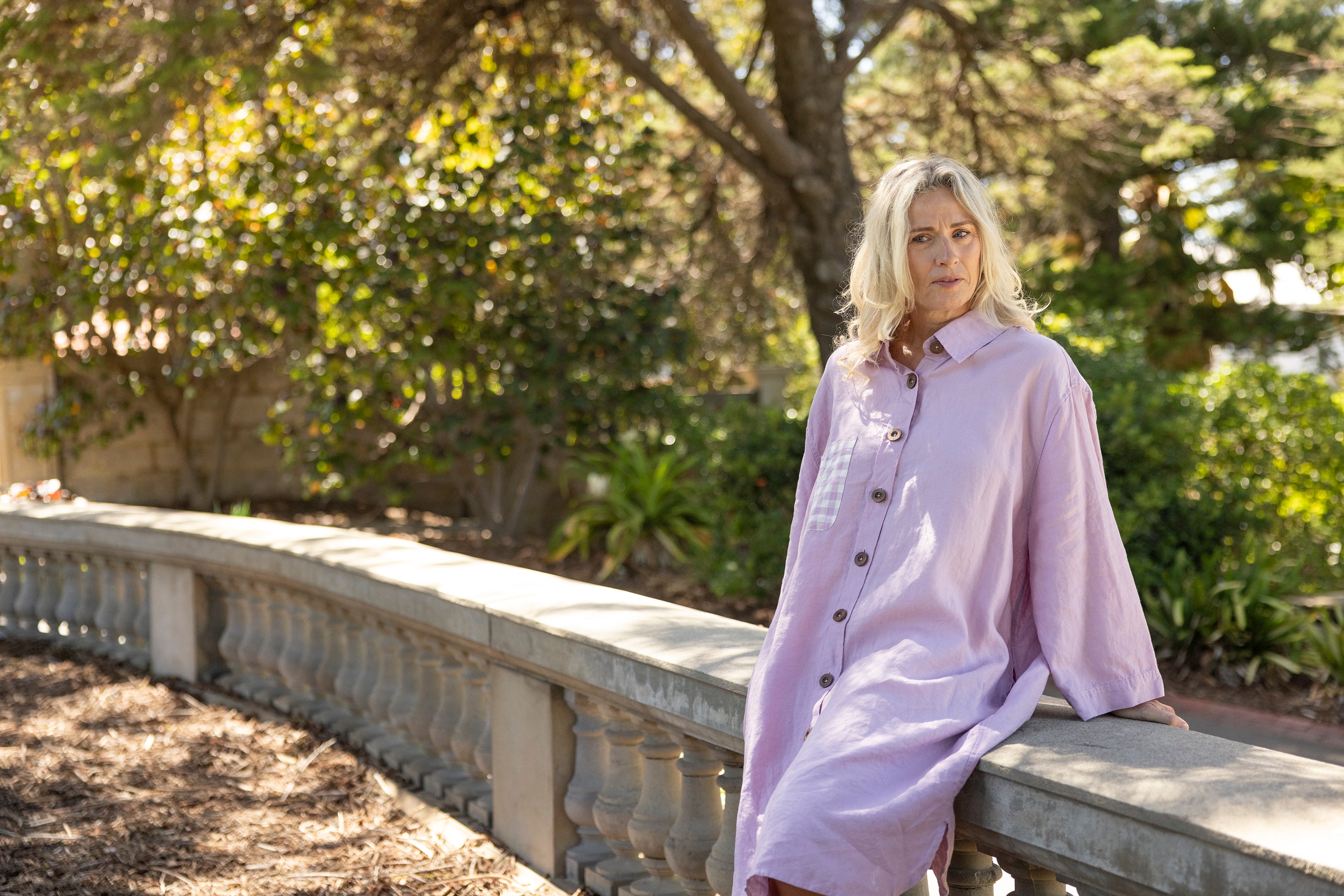
Unlike fabrics designed to hold a perfectly smooth surface, linen relaxes as it moves. It folds under your body during sleep, gathers at the hem of a dress, and settles into the shape of daily life. The result is tactile, breathable and quietly effortless.
Why Linen Wrinkles More Than Other Fabrics
Linen is made from fibres found in the stem of the flax plant. These fibres are naturally long, strong and low in elasticity. When linen is bent, compressed or folded, the fibres do not spring fully back into their original position. A crease remains visible.
Cotton has more natural give, while many synthetic fibres are engineered to recover their shape quickly. Linen takes a different approach. Its structure creates the characteristic rumpled texture that gives a linen sheet set, robe or tablecloth its relaxed depth.
This is also why linen feels distinct in the hand. The fabric has body without feeling heavy, and a dry, airy texture that becomes softer with wear. Its wrinkles are part of that same natural composition. A fabric cannot be entirely smooth, highly elastic and unmistakably linen all at once.
The weave plays a part
The way linen is woven also affects how much it creases. A lighter weave may show more movement and texture, particularly in clothing and summer bedding. A denser weave can appear a little more structured, though it will still develop the soft folds linen is known for.
Colour can change how noticeable wrinkles look, too. Deep charcoal, natural flax and softly washed tones tend to make creasing feel less pronounced, while white linen reveals every change in light and shadow. Neither is better. It comes down to whether you prefer a crisp, light-filled bed or a more tonal, cocooning look.
Linen Wrinkles Are a Sign of Natural Fibre
There is a reason linen has remained a favourite for warm climates, considered interiors and slow mornings at home. It does not try to look untouched. It wears in.
Over time, quality linen becomes more supple and more personal. The fabric softens through washing and use, while its creases become less sharp and more fluid. New linen may feel comparatively structured at first. After a number of washes, it develops the relaxed drape many people seek out from the beginning.
This ageing process is one of linen’s quiet luxuries. Rather than being at its best only on the first day, pure flax linen earns its softness over years of use. A well-made duvet cover or fitted sheet should become part of your sleep ritual, not something that needs replacing when it begins to look lived in.
That said, natural wrinkles are different from fabric that has been poorly cared for. Linen should look inviting, not crushed into hard lines or left stiff after washing. A few thoughtful habits make all the difference.
How to Keep Linen Looking Softly Relaxed
The easiest way to care for linen is to work with the fabric rather than against it. Wash linen in cool or lukewarm water on a gentle cycle, using a mild detergent. Avoid overloading the machine, as tightly packed laundry creates deeper creases and prevents an even wash.
Once the cycle finishes, remove pieces promptly and give each one a light shake. This simple step releases folds before they set and helps sheets regain their shape. For bedding, smoothing the fabric over a drying rack or line while it is still damp can make a noticeable difference.
Air-drying is ideal when possible. In the Australian sun, take care not to leave coloured linen out for extended periods, particularly in high summer, as strong sunlight may gradually fade the colour. Dry linen until it is almost dry rather than completely crisp, then bring it indoors to finish naturally.
If you use a dryer, choose low heat and take linen out while it remains slightly damp. High heat can make flax fibres feel harsher and encourages more defined creasing. A brief, gentle tumble can be useful for restoring softness, but linen does not need to be dried bone-dry to feel beautifully fresh.
Do you need to iron linen?
Not usually. For bedding, the movement of sleeping in it will create texture again within a night or two, so pressing every sheet is rarely worth the effort. Smooth your linen flat while damp, fold it neatly, and let its natural finish do the rest.
For clothing, an iron can be useful when you want a cleaner line for work, dinner or an occasion. Iron on the reverse while the garment is still slightly damp, using a medium-hot setting suitable for linen. A little steam will relax the fabric without flattening its character.
For a more casual finish, hang linen garments after a shower. The moisture in the room can soften light creases, especially in a shirt, dress or pair of linen trousers. This will not produce a pressed finish, nor should it. It simply returns the fabric to its easy, natural drape.
When Wrinkles May Point to a Care Issue
Not every crease needs attention, but a few signs suggest it is worth adjusting your routine. If linen comes out of the wash heavily twisted, stiff or marked with very sharp fold lines, the load may be too full or the spin cycle too aggressive. Washing similar-weight pieces together gives the fabric more room to move.
Stiffness can also come from too much detergent or fabric softener. Linen does not need either in excess. In fact, traditional softeners can coat natural fibres and reduce the breathable, absorbent feel that makes linen so comfortable in the first place. A restrained amount of detergent and a thorough rinse are often enough.
Storage matters as well. Keep linen folded in a cool, dry cupboard with room for air to circulate. Avoid compressing sheets into a tightly packed shelf for months at a time. If you are storing a special tablecloth or seasonal bedding, refold it occasionally to prevent deep permanent fold marks.
The Difference Between Relaxed and Neglected
There is a useful distinction between embracing linen wrinkles and abandoning care altogether. Relaxed linen has softness, movement and an appealing irregularity. It looks clean, feels fresh and falls naturally over the bed or body. Neglected linen can feel dry, appear overly crumpled, or carry creases that distract from the fabric’s quality.
The goal is not a hotel-sheet sharpness. It is a considered finish that still feels easy to live with. Make the bed with a few broad smoothing motions, let a linen throw fall where it wants to, and allow pillowcases to retain a little texture. These small details create a room that feels composed without looking overly arranged.
For those who prefer a more polished look, choose pieces with a little extra structure, dry them carefully and use a quick press where it matters most. For those drawn to a softer, more effortless bedroom, let the folds remain. Both approaches honour the fabric.
Linen’s Character Is Part of Its Comfort
Wrinkles are the visual record of linen doing what it does best: breathing, softening and adapting to everyday use. They speak to the natural strength of flax, not a lack of refinement.
At Bedtonic, we see that relaxed texture as part of the pleasure of sleeping in pure European flax linen. It brings warmth to a neatly styled room and ease to the end of a long day. Let your linen be washed, used and loved. The gentlest creases are often the ones that make it feel most at home.



Leave a comment
This site is protected by hCaptcha and the hCaptcha Privacy Policy and Terms of Service apply.