



Does Linen Bedding Get Softer With Every Wash?
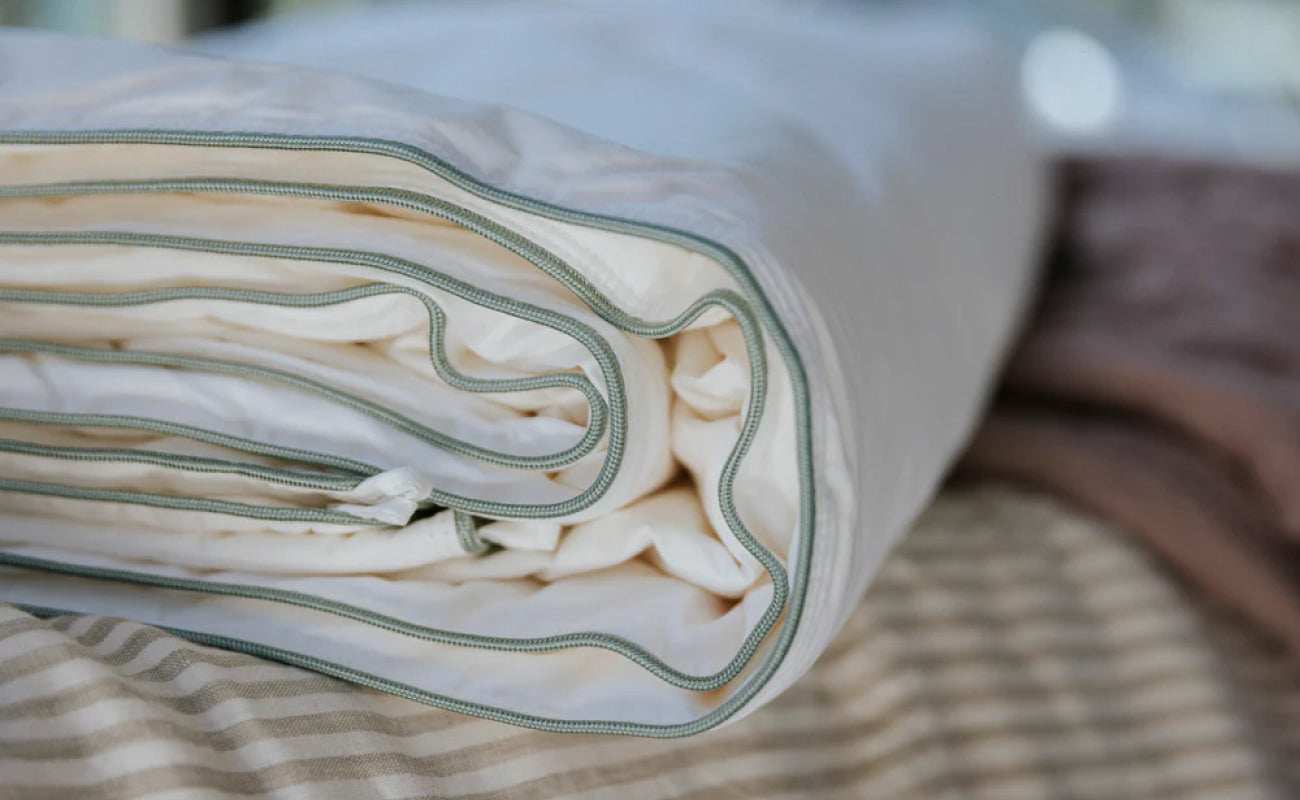
A freshly made linen bed has a particular kind of appeal: the gentle texture, the relaxed drape, the way it looks considered without looking over-styled. But does linen bedding get softer? Yes. One of linen’s most valued qualities is that it becomes more supple, relaxed and inviting with use and washing, while retaining the airy strength that makes it so enduring.
Unlike fabrics designed to feel instantly slick, pure flax linen has a character that reveals itself over time. The first few sleeps are the beginning of the relationship, not the finished result. With each wash, the fibres loosen and the fabric develops a softer hand feel that is distinctly its own.
Why linen softens over time
Linen is made from the fibres of the flax plant. These fibres are naturally longer and more structured than many cotton fibres, which gives linen its strength, breathability and lightly textured finish. When linen is new, that structure can feel crisp, particularly in woven bedding with a substantial weight.
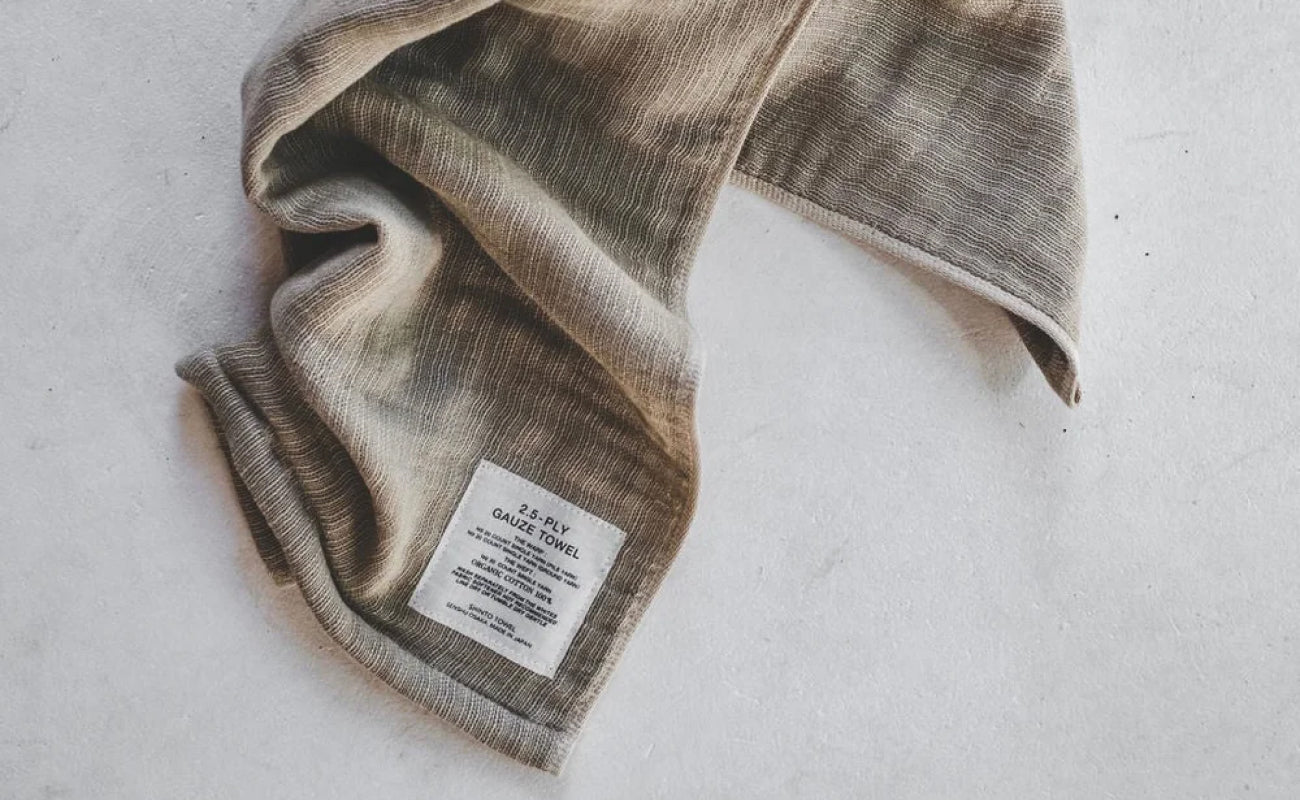
Regular washing and everyday movement gradually relax the flax fibres. The fabric becomes less rigid, the weave settles, and the surface takes on a smoother, more lived-in feel. It does not turn silky in the way sateen cotton might. Linen softness is more tactile than glossy: cool, dry, supple and beautifully relaxed against the skin.
This is also why linen is often described as bedding that improves with age. A well-made set can stay in your home for years, gaining a familiar softness without losing the visual texture that gives a linen bed its quiet presence.
Softness is not the same as thinness
There is a common assumption that softer bedding must be finer or more delicate. With quality linen, softness and durability can exist together. Flax is prized for its tensile strength, so the fabric can become more yielding with wear while remaining resilient enough for frequent use.
That balance depends on the quality of the yarn, the weave and the finishing process. Pure European flax linen is designed to be enjoyed as part of everyday life, not reserved for a spare room. It should feel comfortable from the outset and become even more inviting through the ordinary rhythm of sleeping, laundering and remaking the bed.
Does linen bedding get softer after the first wash?
Usually, yes. The first wash often makes a noticeable difference. It removes any residual stiffness from manufacturing and allows the fibres to begin relaxing. Linen that feels lightly crisp straight from its packaging will generally feel more pliable once washed and dried.
How dramatic that first change is depends on the finish of the fabric. Some linen bedding is pre-washed or garment-washed before it reaches you, giving it a softer, more relaxed feel immediately. Other styles arrive with a cleaner, crisper finish and soften progressively over the first several washes. Neither is necessarily better. It comes down to whether you prefer instant ease or enjoy the gradual softening that comes with use.
The weave also matters. A heavier linen may take a little longer to feel fully broken in than a lighter weave, but it can reward patience with exceptional drape and depth. Conversely, very lightweight linen can feel soft quickly, though it may not have the same substantial, layered feel in cooler months.
The kind of softness linen offers
Linen has a different personality from cotton, bamboo-derived fabrics or synthetics. If your idea of softness is a perfectly smooth, polished surface, linen may initially feel more textured than expected. Its appeal lies in its natural irregularity: the subtle slubs, airy weave and gentle texture that keep it from feeling flat.
For many sleepers, this texture becomes part of the comfort. Linen does not cling closely to the body, and it is valued for its ability to feel breathable in warmer weather while offering a pleasing, cosy layer when temperatures drop. As it softens, that easy comfort becomes more pronounced.
The finish is also visually generous. Softer linen develops a relaxed fall that makes a bed look inviting even when it is not perfectly pressed. A few natural creases are not a flaw to correct. They are part of linen’s effortless, lived-in beauty.
How to help linen bedding soften beautifully
Linen does not need complicated care. In fact, a restrained approach is often best. Wash your sheets before their first use, then continue with regular laundering based on how often the bed is used. Frequent gentle washing is not something to fear - it is part of how flax linen comes into its own.
Use a mild liquid detergent and avoid overloading the washing machine. Giving sheets room to move allows water to circulate through the fabric and prevents excessive twisting. A cool or warm wash is generally suitable for coloured linen, while whites can tolerate warmer washing when needed. Always separate deep colours from lighter pieces, especially for the first few washes.
Fabric softener is not necessary. It can coat natural fibres and diminish linen’s clean, breathable feel over time. The same principle applies to harsh bleach, which may weaken flax fibres and alter colour. For a fresh finish, simple laundering and thorough rinsing are usually all linen needs.
Drying is where you can tailor the result to your preference. Line drying leaves linen feeling fresh and naturally crisp at first, with the fabric softening again as it is used. A short tumble dry on low heat can encourage a more immediately relaxed hand feel. Many households use a combination: dry linen until almost dry on the line, then finish it briefly in the dryer for softness and fewer pronounced creases.
Remove bedding promptly once dry. This keeps the fabric from becoming overly creased and makes folding or remaking the bed easier. There is no need to iron linen sheets unless you enjoy the ritual. The warmth of the bed will naturally soften most creases overnight.
What can make linen feel less soft?
If linen suddenly feels stiff or scratchy, the issue is often not the fibre itself. Too much detergent can leave a residue on the weave, while hard water may create a mineral build-up that dulls the fabric’s softness. Try reducing the amount of detergent, running an extra rinse, and avoiding products that leave a coating behind.
Over-drying at high heat can also make any natural fabric feel more rigid. Linen is forgiving, but low heat and a little attention to drying time will help preserve its relaxed feel and longevity.
New linen can occasionally feel firmer after line drying, particularly in bright sun or dry conditions. This is temporary. Once the sheets are on the bed and in use, body warmth and movement restore their characteristic softness. A brief low tumble can help if you prefer that softer feel straight away.
How long does linen take to become very soft?
There is no fixed number of washes, because the result is shaped by the weight of the fabric, its finish, your water, detergent and drying method. Most quality linen feels noticeably more relaxed after its first few washes. After several months of regular use, it often develops the easy, supple feel people associate with well-loved linen bedding.
Think of it less as a break-in period and more as a fabric settling into your life. A set used in regular rotation may soften gradually over a year, while bedding washed every week will change sooner. The difference is subtle from one wash to the next, then suddenly apparent when you compare it with a newer piece.
This longer view is part of linen’s value. Rather than chasing a brief first impression, you are choosing a natural material that evolves with daily use. Bedtonic’s pure flax linen is made for precisely that kind of comfort: considered at first touch, then increasingly soft in every layer.
A few signs you have quality linen
Softening is a welcome trait, but it should not come at the expense of the fabric’s integrity. Quality linen should retain its weave and colour with proper care. It may show gentle creasing and gain a more relaxed drape, yet it should not rapidly become flimsy, lose shape or pill heavily.
Look for 100% flax linen and clear material information rather than vague references to a linen blend. Blends can offer a different feel and may be easier to press, but they do not age in quite the same way as pure flax. If the enduring, breathable character of linen is what you are after, purity matters.
A good linen set also feels balanced. It should have enough body to drape well over the mattress, but not so much stiffness that it feels harsh. Natural variations in the yarn are part of the material’s texture, not a sign of poor quality.
Linen asks for very little: regular washing, gentle care and the freedom to look naturally relaxed. In return, it becomes more personal with every sleep, turning the everyday act of making the bed into a softer ritual over time.


Leave a comment
This site is protected by hCaptcha and the hCaptcha Privacy Policy and Terms of Service apply.