


Flax Linen vs Egyptian Cotton
The difference between just a beautiful bed, and a bed you never want to leave often comes down to fabric. When comparing flax linen to Egyptian cotton, the real question is less about which one is more luxurious, and more about what kind of comfort you want to live with every day. They sit in the same premium category, but they behave very differently once they are on your bed, against your skin, and woven into your routine.
For some, Egyptian cotton is the familiar benchmark - smooth, crisp, polished. For others, flax linen offers something more relaxed and tactile, with a softness that feels understated rather than glossy. Both can be exceptional. The better choice depends on climate, sleep habits, aesthetic, and how you want your bedding to age over time.
Flax linen vs Egyptian cotton: the feel
The first thing most people notice is texture. Egyptian cotton tends to feel smoother from the outset. It has a clean, refined hand feel that many people associate with hotel-style bedding. Depending on the weave and thread count, it can feel cool and crisp or softer and silkier, but it usually presents as neat and even.
Flax linen has a different kind of appeal. It feels more organic, with a lightly textured finish that gives it depth and character. Good linen is not rough in the way people sometimes expect. In fact, high-quality flax linen softens beautifully with use, becoming more supple and inviting with every wash while still keeping its natural texture.
That distinction matters in the bedroom. If you like bedding that feels polished and smooth, Egyptian cotton may suit you immediately. If you prefer bedding with a relaxed drape and a lived-in softness, flax linen often feels more special over time.
Breathability and temperature regulation
For Australian homes, this is often where the decision becomes clear. Breathability is one of linen's strongest qualities. Flax fibres allow air to move more freely, and the fabric is known for helping regulate body temperature across seasons. In warm weather, it feels airy and dry. In cooler months, it offers comfort without feeling heavy.
Egyptian cotton is also breathable, particularly when it is made well, but it tends to hold onto a slightly more structured feel. Many sleepers find it cool and comfortable, especially in a percale weave. Still, linen generally has the edge for hot sleepers or anyone dealing with humid nights.
This does not mean Egyptian cotton is the wrong choice in Australia. In milder climates or for those who prefer a smoother sleep surface, it can still feel beautifully comfortable. But if your bedroom runs warm, or you want bedding that works hard through summer, flax linen often earns its place quickly.
Appearance and bedroom style
Fabric changes the look of a room as much as the feel of a bed. Egyptian cotton delivers a cleaner, more tailored finish. It tends to sit flatter, look sharper, and create that freshly made effect many people enjoy. If your style leans classic, minimal or hotel-inspired, cotton can support that aesthetic with ease.
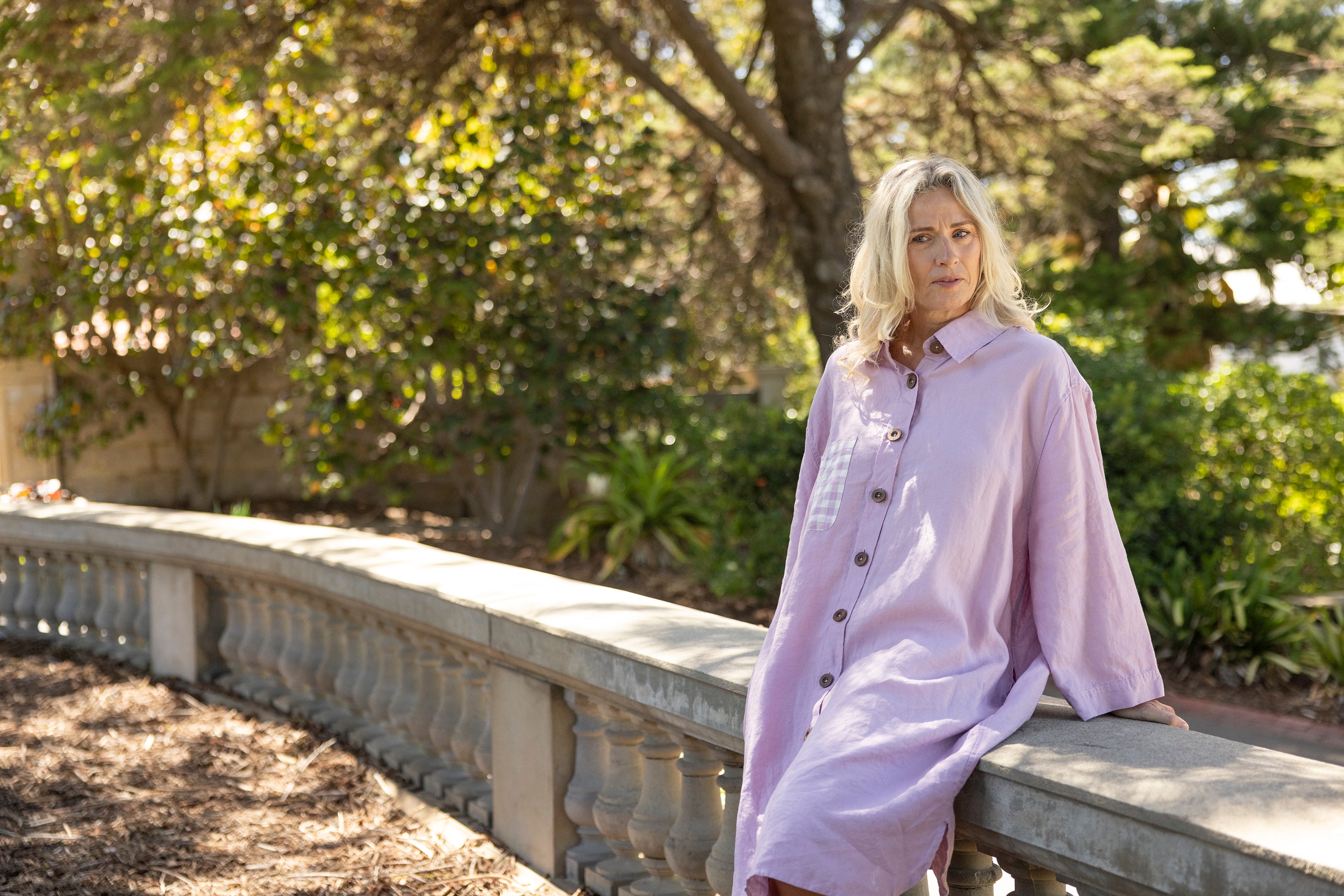
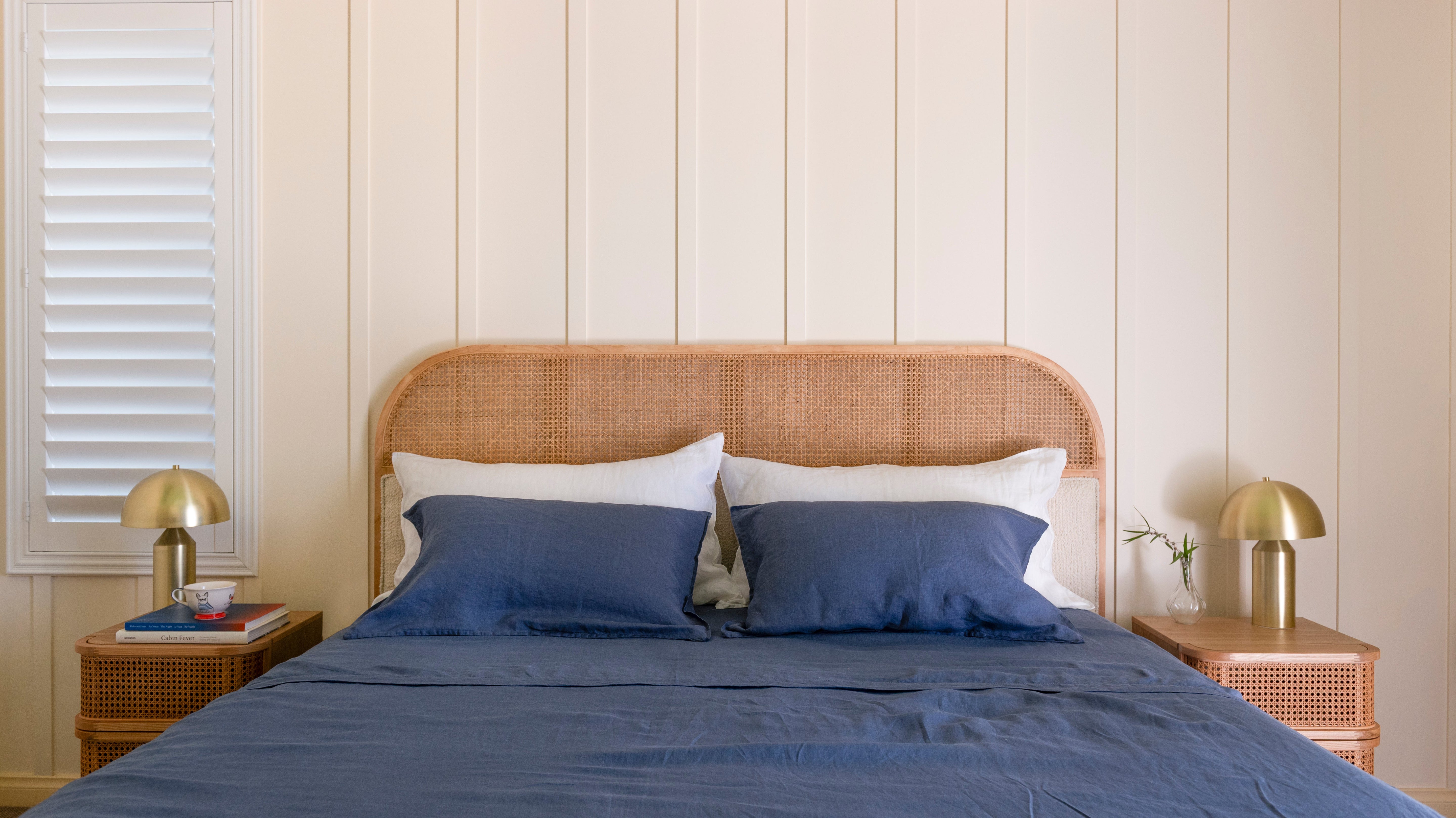
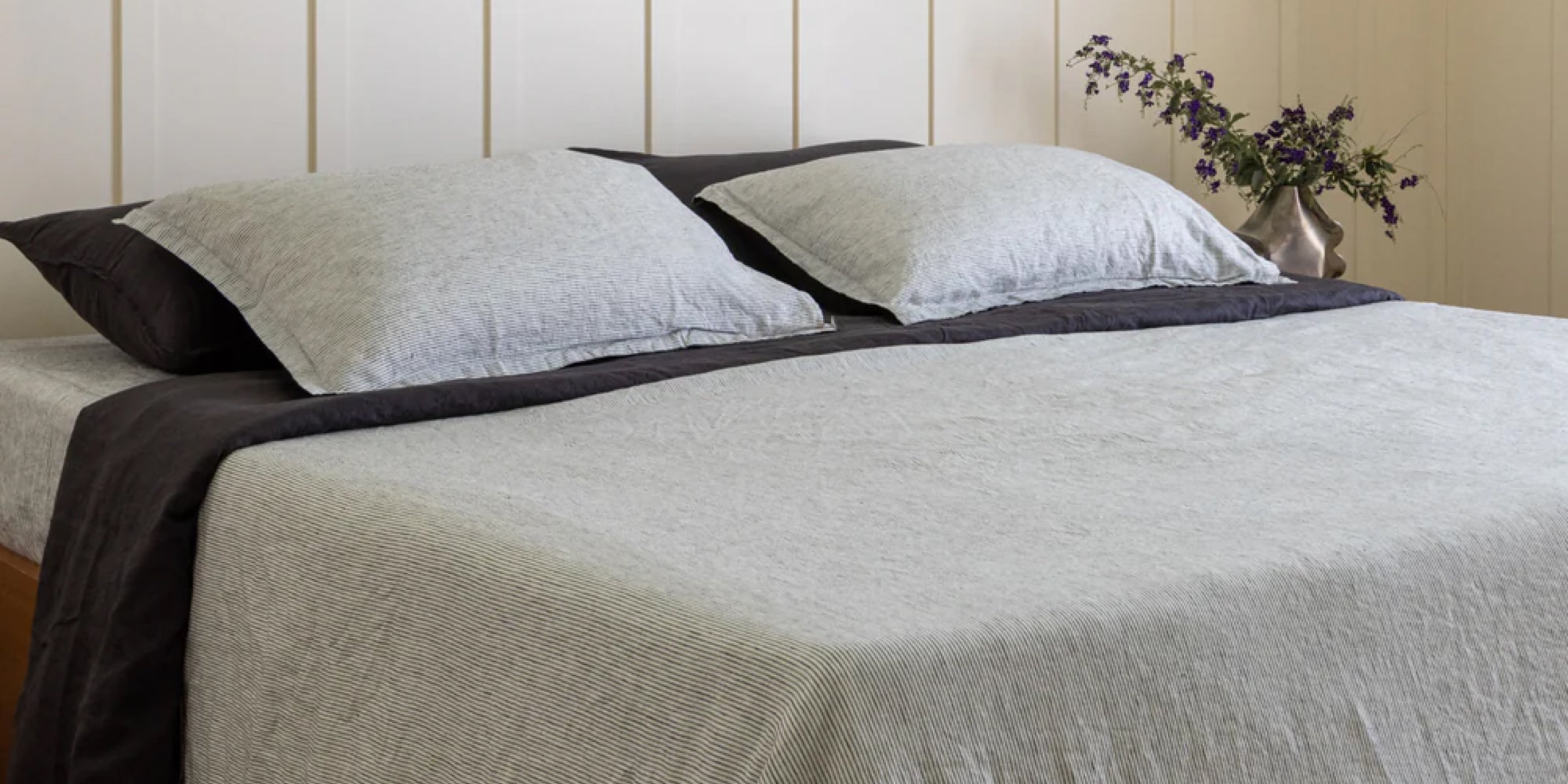
Flax linen brings a softer visual language. It has a natural drape, subtle texture and gentle movement that make a bed feel more effortless and layered. Rather than looking pressed and formal, it looks calm and considered. That quality suits interiors that favour warmth, restraint and a more relaxed kind of luxury.
Neither is more elevated by default. They simply express refinement differently. Egyptian cotton feels crisp. Flax linen feels quiet and lived-in, in the best sense.
Durability and how each fabric ages
Premium bedding should not just look good in the first week. It should continue to feel worth owning after repeated washing and regular use.
Egyptian cotton has a reputation for quality because its fibres are long and fine, which can create a strong, smooth fabric when produced properly. It can wear very well, though this depends heavily on the authenticity of the cotton and the standard of manufacturing. Not every product labelled Egyptian cotton will offer the same performance.
Flax linen is remarkably durable. The fibres are naturally strong, and one of linen's most appealing traits is that it tends to improve with age. Rather than wearing out quickly, it softens and settles. Its character deepens. For people who want bedding that feels better the longer they own it, this is a meaningful advantage.
There is a practical side to this too. Linen's natural creasing is part of its appeal, so signs of daily life rarely look like flaws. Cotton, especially smoother cotton, can show rumpling more obviously if you prefer a very neat finish.
Flax linen vs Egyptian cotton for care
Care is where personal preference matters. Egyptian cotton can feel higher-maintenance if you like the look of a crisp bed. It generally washes well, but keeping that pristine finish may take more effort.
Flax linen is refreshingly forgiving. Its relaxed texture means a few creases look natural, not neglected. It can be washed, dried and returned to the bed without needing much fuss. For many households, that ease is part of the luxury.
That said, linen does ask for a little patience at the beginning. The first few washes help it soften into itself. If you expect an ultra-silky finish straight out of the packet, cotton may feel more instantly familiar. Linen rewards a slower kind of appreciation.
The question of softness
Softness is often treated as a single standard, but it is really a matter of preference. Egyptian cotton softness is smooth and uniform. It glides. Linen softness is more tactile and airy. It does not flatten into blandness.
For some sleepers, especially those used to traditional cotton sheets, Egyptian cotton will feel softer on first touch. For others, particularly those who love natural fibres and texture, linen offers a more sophisticated kind of comfort. It feels breathable, relaxed and less processed.
This is why flax linen vs Egyptian cotton is not a simple win-lose comparison. One feels sleek. The other feels grounded. Both can be luxurious, just in different registers.
Which fabric suits which sleeper?
If you sleep hot, prefer effortless styling, and want bedding that becomes softer with time, flax linen is usually the stronger choice. It suits people who value material honesty and a bedroom that feels calm rather than overly styled.
If you like a smooth finish, enjoy a crisp sheet, or want a more traditional luxury bedding feel, Egyptian cotton may be the better fit. It can also appeal to anyone who wants that freshly pressed look and a softer first impression straight away.
Lifestyle plays a role as well. Linen often suits homes where comfort, texture and ease sit at the centre of daily living. Cotton can suit those who love structure and polish. The best bedding aligns with how you actually live.
Why flax linen stands apart
There is a reason flax linen has moved beyond trend and into permanence. It offers a combination that is difficult to replicate - breathability, durability, softness that grows richer with time, and a look that feels refined without trying too hard. In a market crowded with performance claims, linen remains persuasive because its qualities are tangible.
For those building a bedroom around natural materials and everyday comfort, linen often feels like the more complete choice. It does not rely on shine or surface smoothness to signal quality. Its luxury is quieter. More tactile. More enduring.
That is especially true when the linen is well made from quality European flax, where the fibre, weave and finish all work together. At that point, bedding stops feeling like a practical purchase and starts shaping the atmosphere of home.
Choosing well
If you are deciding between the two, think beyond the first touch. Consider your climate, your sleep temperature, how much care you want to give your bedding, and the way you want your bedroom to feel at the end of a long day.
A bed should do more than look beautiful for a moment. It should invite you back night after night, feel good in every season, and settle naturally into the rhythm of your home. If that sounds like the kind of luxury you want to live with, flax linen is worth taking seriously.

Leave a comment
This site is protected by hCaptcha and the hCaptcha Privacy Policy and Terms of Service apply.