



What Are Linen Sheets? A Better Night's Sleep
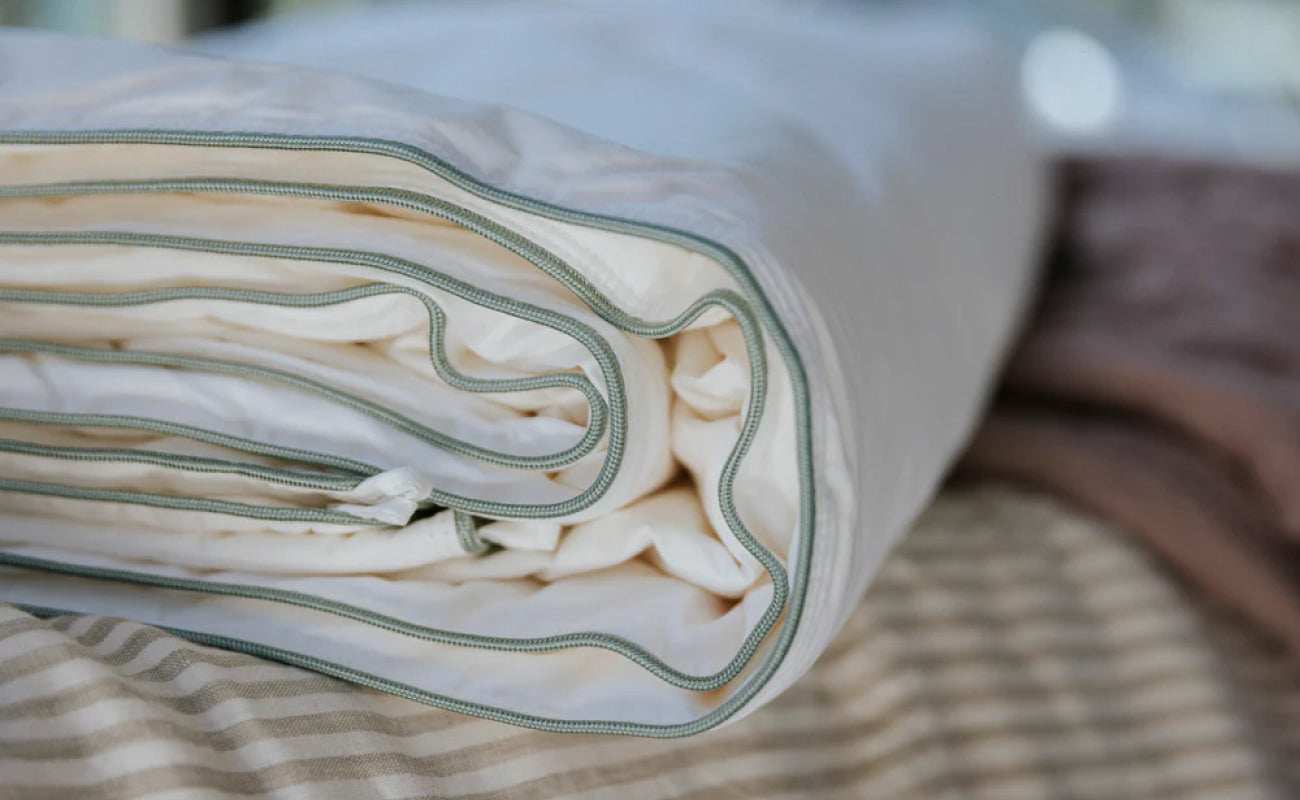
A bed can look beautifully made and still feel wrong by midnight. The fabric against your skin matters: how it holds warmth, handles humidity and settles after a long day. So, what are linen sheets? They are bedding woven from fibres of the flax plant, valued for their airy texture, natural strength and the relaxed softness they develop over time.
Unlike bedding designed to feel perfectly smooth from its first use, linen has character. It is lightly textured, naturally rumpled and made to look lived in rather than overly formal. For a bedroom that feels calm, considered and effortless, that is precisely the appeal.
What are linen sheets made from?
True linen is made from flax, a plant grown for its long, durable fibres. After harvesting, the fibres are separated, spun into yarn and woven into fabric. The quality of the finished sheet depends on the flax itself, along with how carefully the fibres are processed and woven.
Flax fibres are naturally stronger than cotton fibres and have a distinct, slightly crisp hand-feel when new. With washing and wear, they become increasingly supple without losing their substance. This is why well-made linen is often kept for years rather than treated as a short-term bedding purchase.
Not every product labelled as linen is 100 per cent linen. Some sheets blend linen with cotton, rayon or synthetic fibres to change the price, drape or initial softness. Blends can have their place, but they do not offer quite the same feel, breathability or long-lasting character as pure flax linen. If the material is central to your decision, check the fibre composition rather than relying on the product name alone.
Why linen feels so good to sleep in
Linen has a dry, breathable feel that many sleepers find especially comfortable in Australian conditions. Its fibres allow air to move through the fabric, helping the bed feel less close and clammy on warm evenings. Linen can also absorb moisture and release it efficiently, which is useful when the temperature shifts overnight.
That does not mean linen is only for summer. The fabric’s breathable structure helps it feel cooler when the room is warm, while its weight and layers can feel cosy through cooler months. A linen fitted sheet paired with a linen doona cover can create a bed that adapts easily across the year, especially in homes where heating and cooling are not kept at one fixed setting.
The sensation is different from sateen cotton, which is smooth, polished and often slightly lustrous. Linen feels more matte, textured and relaxed. Percale cotton may suit someone who wants a crisp hotel-style finish; linen suits someone drawn to a softer, more organic bed with depth and movement. Neither is universally better. It comes down to the sleep experience and visual mood you prefer.
Linen softens with use
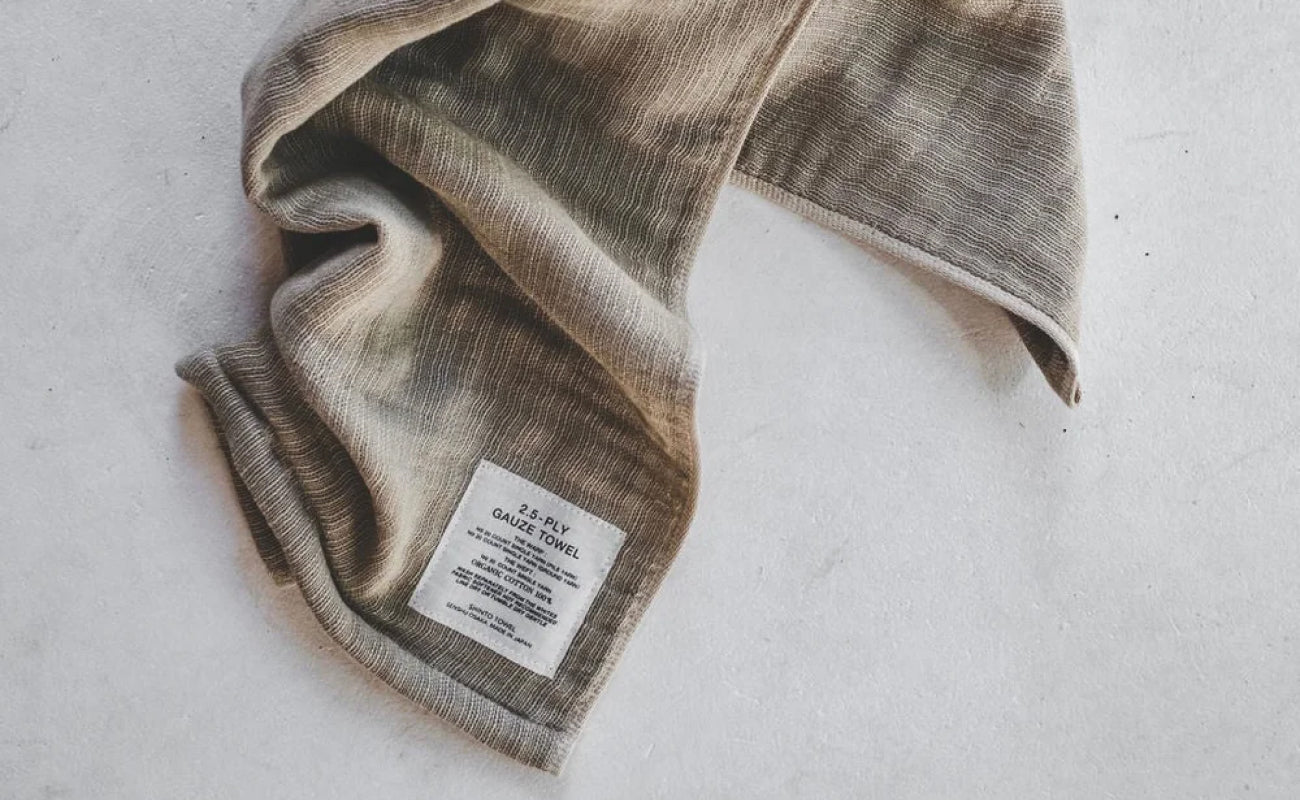
A new linen sheet may feel more textured than a cotton sheet straight out of the packet. That is normal. Each wash relaxes the fibres, creating the easy softness linen is known for. It is a fabric that improves through everyday use, rather than one that needs to be preserved for special occasions.
For some people, linen becomes a clear favourite after only a few nights. Others need a little time to adjust if they are used to very smooth cotton. Choosing high-quality, pre-washed linen can offer a gentler starting point while retaining the fabric’s natural texture.
The look of linen bedding
Linen does not aim for a sharp, immaculate finish. Its gentle creases are part of the material’s appeal, catching light softly and making a bed look inviting rather than staged. A loosely folded flat sheet, softened pillowcases and a slightly rumpled doona cover bring visual warmth without requiring extra styling.
This makes linen particularly versatile in a bedroom. Neutral shades such as oat, white, charcoal and soft grey provide a quiet foundation, while earthy greens, dusty rose or deeper mineral tones can introduce colour without feeling overly decorative. Mixing close shades also works well. A natural fitted sheet under a warm white duvet cover, for example, adds dimension while keeping the room restrained.
At Bedtonic, European Flax® Certified linen is selected for this balance of tactility, durability and understated colour. It is bedding designed to be used often, washed often and enjoyed in every season.
Are linen sheets worth the investment?
Linen sheets usually cost more than entry-level cotton bedding, and that difference deserves a practical answer. Pure flax is more labour-intensive to produce, and high-quality long fibres create a fabric made for repeated use. When cared for well, linen can remain part of your bedding rotation for many years.
The value is not only about longevity. It is also about how often you reach for them. If you sleep warm, prefer natural fibres or want your bedroom to feel relaxed without much effort, linen can make a noticeable difference to your nightly routine.
There are trade-offs. Linen wrinkles, even when it is beautifully made. It may not be ideal if you want a perfectly pressed bed every morning, or if your priority is the silky finish of sateen. It can also take a few washes to reach its softest state. But for many households, those qualities are not drawbacks at all. They are evidence of a natural fabric with an honest, easy feel.
Thread count is not the main measure
Thread count is frequently used to compare cotton sheets, but it is far less helpful when assessing linen. Linen yarns are generally thicker, and a lower thread count does not signal inferior quality in the same way it might with cotton. Instead, consider the fibre content, the provenance of the flax, the weave, the fabric weight and how the linen has been finished.
A heavier linen may feel more substantial and suit those who enjoy a weightier bed, while a lighter weave can feel particularly airy in high summer. There is no single ideal weight. The right choice depends on your climate, whether you run warm at night and the texture you enjoy against your skin.
How to care for linen sheets
Linen is resilient, but simple care helps it age well. Wash sheets in cool or warm water with a gentle liquid detergent. Avoid bleach and harsh softeners, which can weaken natural fibres or leave a coating that changes the fabric’s absorbency.
Line drying is ideal when possible, though a low-heat tumble dry is also suitable and can enhance linen’s softness. Remove sheets while they are still slightly damp if you prefer fewer creases, then smooth them over the bed or fold them neatly. There is no need to iron linen unless you want a more tailored finish.
Wash linen separately from items with zips, hooks or rough trims that may catch the weave. Rotate between two or three sets if you can. This gives each set time to rest between washes and makes the bed easier to refresh without compromising the look you love.
Choosing linen sheets for your bed
Start with the pieces you use most. A fitted sheet and pillowcases will let you experience linen directly, while a doona cover creates the strongest visual change in the room. A complete sheet set offers a cohesive finish, but mixing colours and layers can make the bed feel more personal.
Check mattress depth before selecting a fitted sheet, particularly if you use a mattress topper. A generous fit helps the corners stay in place and keeps the bed looking composed. For a doona cover, choose the size that matches your insert and allow the linen’s natural drape to do the rest.
Linen sheets are not about chasing a flawless bed. They are about creating one you want to return to: cool on a warm night, softening with every wash and quietly beautiful in the morning light.

Leave a comment
This site is protected by hCaptcha and the hCaptcha Privacy Policy and Terms of Service apply.