



Linen Doona Covers for Softer, Better Sleep
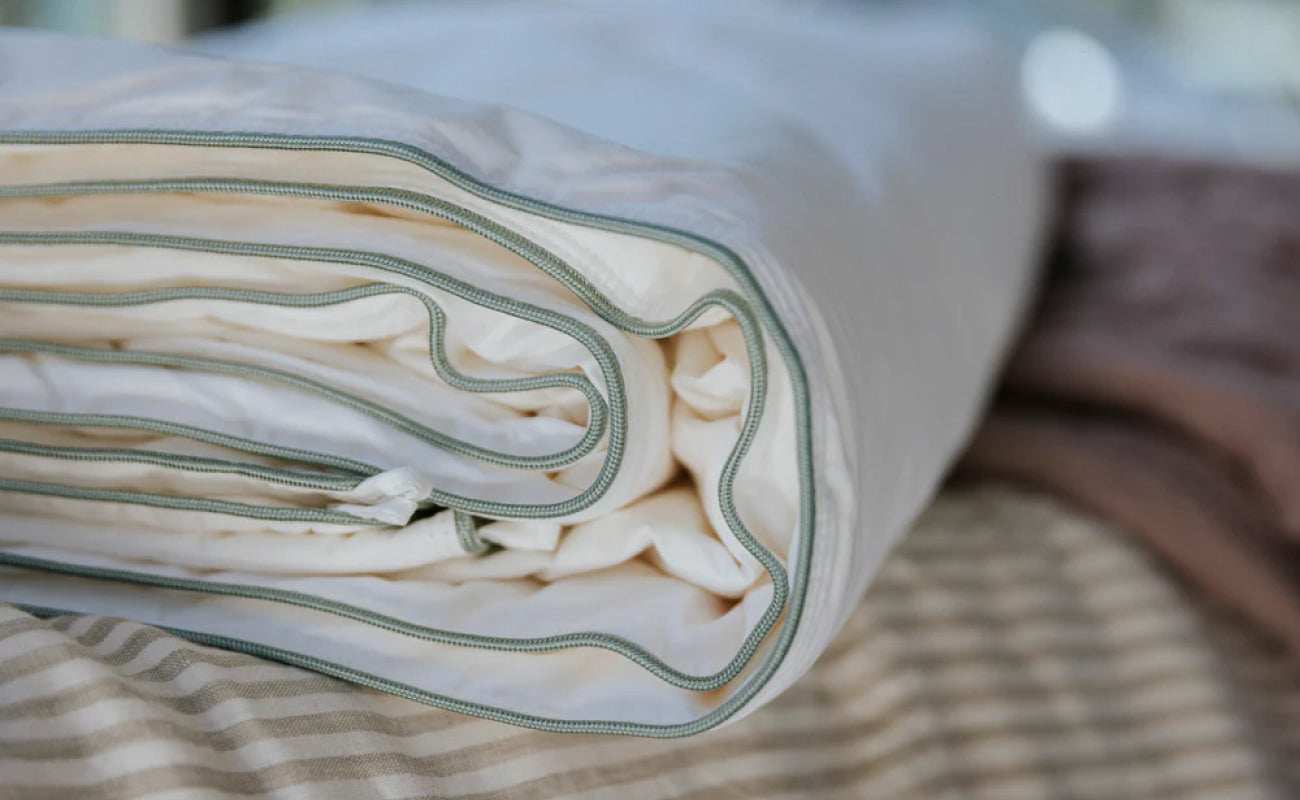
A well-made bed changes the feeling of a room before you have even climbed into it. Linen doona covers bring that quiet, considered quality: softly rumpled texture, breathable comfort and a finish that feels relaxed rather than overly styled. They are designed for homes where the bedroom is both a place to rest and part of the daily ritual.
Why linen doona covers feel different
Linen is made from flax, a natural fibre valued for its strength, breathability and distinctive hand feel. Unlike bedding that aims for a glossy, perfectly smooth finish, linen has a lived-in character from the first night. Its subtle texture catches the light beautifully and gives the bed depth, even when the styling is simple.
The real luxury is in how linen wears. It begins with an airy, lightly textured feel and becomes softer with use and washing. Rather than looking tired over time, quality linen develops more ease. That makes it especially suited to a bedroom that is meant to be used, not preserved for occasional guests.
For Australian homes, breathability is a meaningful advantage. Linen allows air to circulate and helps reduce that heavy, enclosed feeling beneath the covers on warm nights. In cooler months, it layers comfortably with a blanket, quilt or heavier doona insert. It does not create one fixed temperature for every sleeper, but its adaptable feel is why many people reach for linen across the seasons.
The details that make a cover worth keeping
Not all linen feels or performs alike. Fibre quality, weave, finishing and construction all influence the final piece. A premium cover should feel substantial enough to drape well, without becoming stiff or cumbersome around the doona.
European Flax® Certified linen offers valuable material assurance, with flax grown in Europe and traceability standards behind the fibre. It is a considered choice for those who want to understand what sits closest to their skin each night, not simply how it photographs on the bed.
Look closely at the practical details as well. Internal ties help keep the doona insert in place, especially if you move a lot in your sleep. A button closure creates a neat finish at the foot of the bed, while generous sizing allows the cover to fall naturally rather than pull tight across the insert. These are modest features, but they shape how easy the bed is to make and how composed it looks afterwards.
Weight is also personal. Some people prefer a lighter linen cover with an open, airy feel, particularly in warmer parts of Australia. Others enjoy a slightly denser weave for its more grounded drape and added warmth. Neither is inherently better. Consider the temperature of your bedroom, the warmth of your doona and whether you prefer crisp texture or a fuller, more enveloping finish.
Choosing linen doona covers for your bed
Start with the size of your doona insert, not only the dimensions of your mattress. A cover and insert should match closely, otherwise the filling can shift into the corners or leave excess fabric at the edges. If you prefer a more generous, hotel-like drape, an oversized doona can work well, provided your bed frame and room proportions have enough space for it.
Colour deserves the same attention as fibre. Natural flax shades, ivory, white and soft stone create a calm foundation that can be refreshed with cushions, throws or a contrasting fitted sheet. These tones work particularly well in rooms with timber, warm whites and layered natural materials.
Deeper shades bring a different kind of ease. Charcoal, olive, clay and muted blue can make a bedroom feel more settled, while still retaining linen's softness. If you are unsure, choose a colour you will be comfortable seeing every morning. Bedding is a large visual surface, so the most enduring choice is usually one that complements the room rather than competes with it.
Linen also gives you permission to loosen the styling. Smooth the cover across the bed, fold it back slightly at the top and allow a few natural creases to remain. Pairing it with linen pillowcases in the same shade creates a tonal, restful look. Mixing colours can feel equally refined when the palette stays restrained, such as oat with white, or charcoal with washed blue.
Consider the insert beneath it
The cover is only one layer of sleep comfort. A lightweight silk or wool insert may suit sleepers who run warm, while a fuller all-season doona can make sense in cooler homes or unheated bedrooms. Linen is breathable, but it cannot entirely offset an insert that is too warm for you.
If you share a bed with someone whose temperature needs are very different, separate doona inserts can be a practical solution. Two smaller, individually weighted doonas under coordinated linen covers can look intentional and allow each sleeper to choose their preferred warmth.
How to care for linen without overthinking it
Linen is more forgiving than its premium reputation suggests. It does not require ironing to look beautiful, and its natural creases are part of the appeal. Regular washing helps it continue to soften, though a little care will protect the fibre and colour for longer.
Wash your doona cover in cool or lukewarm water with a gentle detergent. Avoid bleach and harsh fabric treatments, which can weaken natural fibres over time. Wash similar colours together, particularly during the first few washes, and turn deeper-coloured covers inside out if you want to preserve their richness.
Air-drying is ideal when possible. Shake the cover out before hanging it so the fabric settles evenly, then bring it in when it is dry rather than leaving it in strong sunlight for extended periods. A low tumble dry can be useful for softening the fabric and reducing stiffness, but high heat is best avoided.
There is no need to press every crease away. If you enjoy a neater look, remove the cover from the line or dryer while it is still slightly damp and smooth it over the bed. For most bedrooms, the gentle texture of washed linen is precisely what makes the bed feel inviting.
Washing frequency and rotation
A doona cover is generally best washed every one to two weeks, depending on the season, whether you shower before bed and whether pets share the room. Having a second set makes this simple. It also allows you to change the mood of the bedroom with the weather: pale linen for brighter months, then a richer tone when the evenings cool.
Rotate your covers rather than reserving one for special occasions. Linen is made to become part of everyday life. The more it is handled, slept in and washed with care, the more character it gains.
A quieter approach to bedroom styling
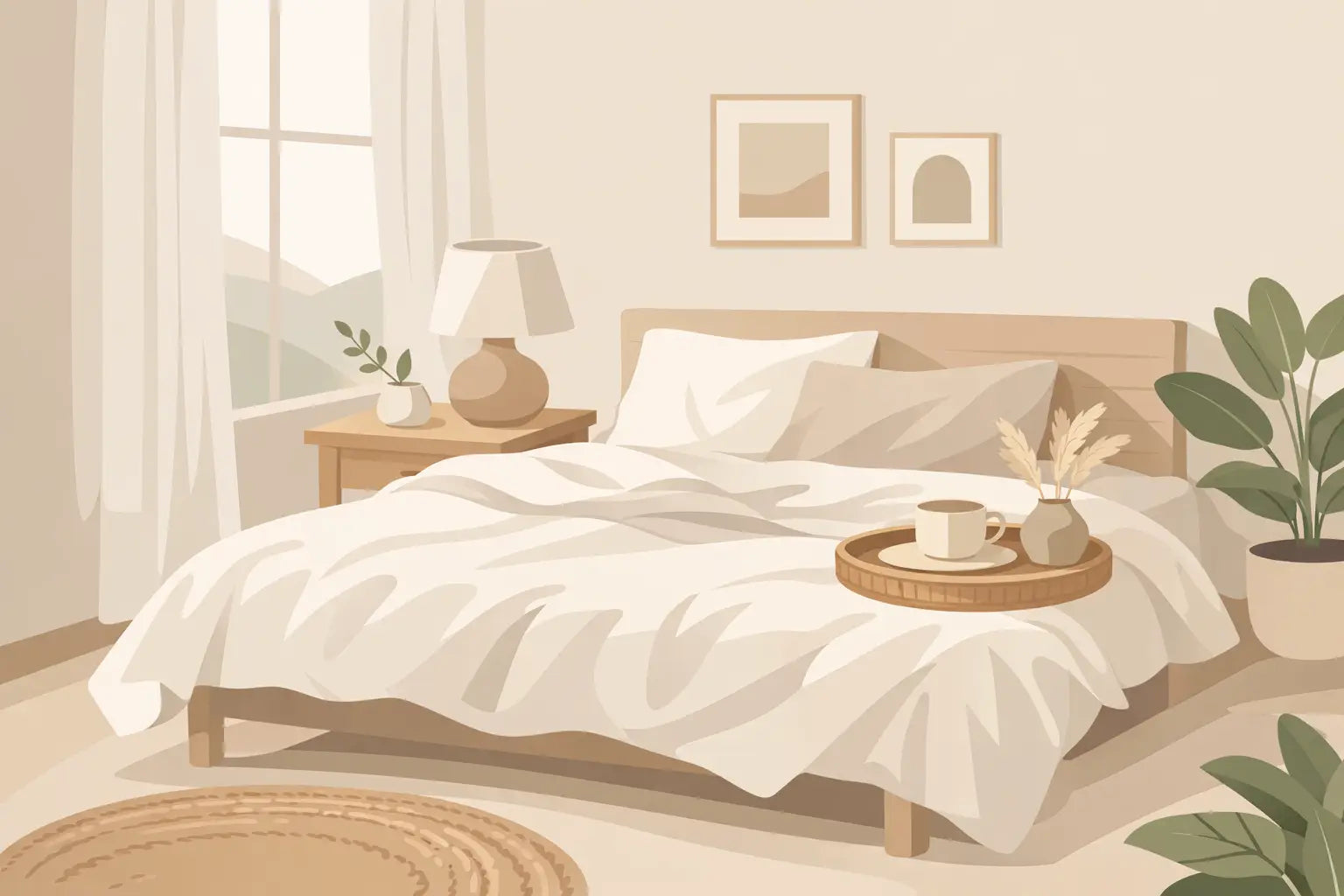
The appeal of linen is not perfection. It is the soft fold at the end of the bed, the texture that makes a neutral room feel layered, and the sense that comfort has been chosen deliberately. A linen doona cover can anchor the entire bedroom without asking for much else around it.
At Bedtonic, 100% pure flax linen is considered as part of a broader home ritual: natural fibres, enduring colours and softness in every layer. Begin with the cover you will want to return to each evening, then let the rest of the room settle around it.


Leave a comment
This site is protected by hCaptcha and the hCaptcha Privacy Policy and Terms of Service apply.