



Silk Doona Review: Is It Worth the Investment?
A doona can look beautifully considered on the bed and still be wrong for the way you sleep. That is why a useful silk doona review begins beneath the cover: with temperature, weight, drape and the quiet comfort of a natural filling. Silk is not the right choice for every sleeper, but for those who dislike bulky bedding and wake warm during the night, it offers a distinct kind of luxury.
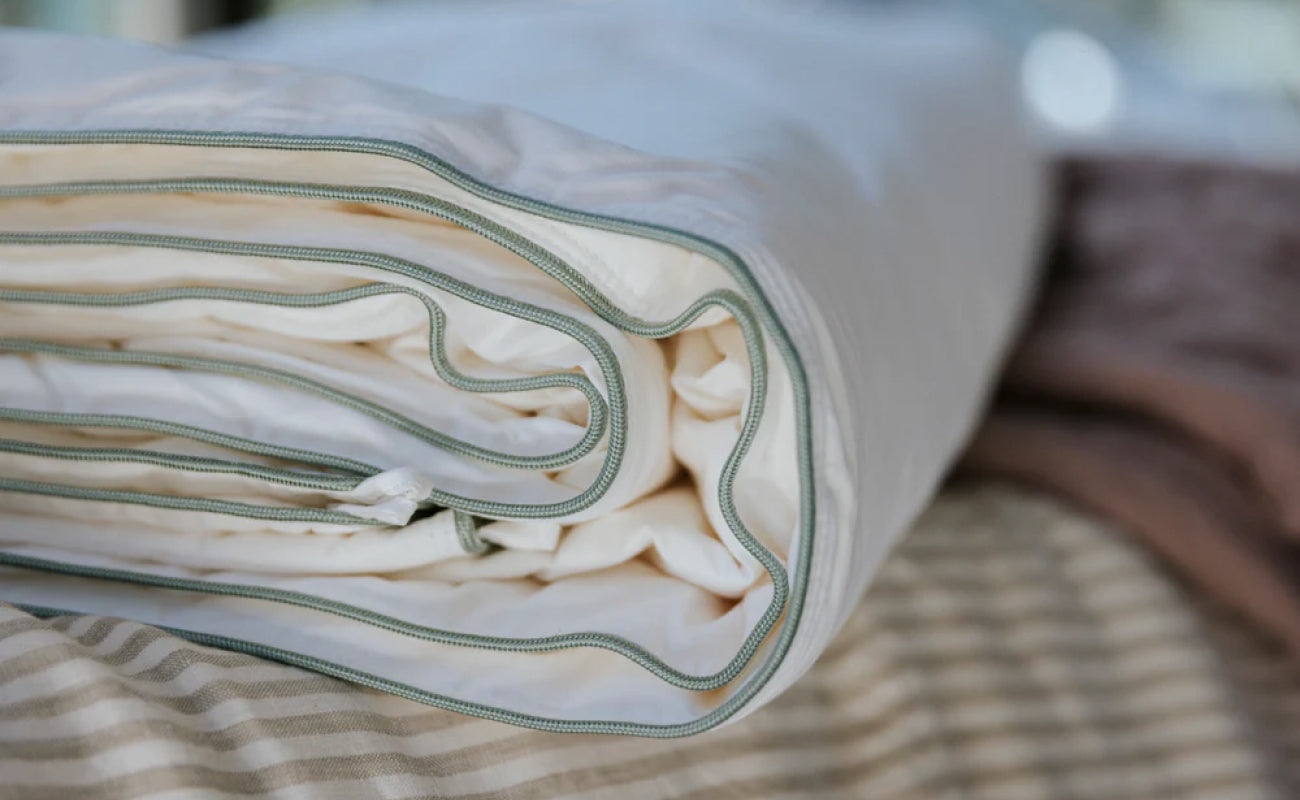
Rather than creating an oversized cloud of loft, a silk-filled doona sits close to the body with an elegant, fluid drape. It is designed for comfort that feels light rather than weightless, polished rather than plush. The difference becomes especially noticeable when the room temperature shifts between evening and early morning.
Silk doona review: the feel in bed
Silk is prized for its ability to respond to body temperature. The fibres can help release excess heat and manage moisture, so the bed feels less clammy when you run warm. In practice, this means a silk doona often feels comfortably insulating without the dense, trapped warmth associated with some synthetic fills.
Its drape is the other defining feature. A silk doona settles over the body instead of hovering above it, which can feel reassuring without the heaviness of a thick winter quilt. For sleepers who enjoy a neat, tailored bed, this lower-profile finish also works beautifully with linen duvet covers. The layers sit naturally, with softness and movement rather than unnecessary volume.
That said, silk does not deliver the lofty, enveloping sensation of down. If your idea of comfort is a very puffy doona you can sink into, down or a high-loft wool option may be more satisfying. Silk is a quieter experience: smooth, breathable and gently cocooning.
Who will appreciate a silk-filled doona?
A silk doona is particularly suited to warm sleepers, couples with different temperature preferences and anyone looking to move away from polyester-filled bedding. It is also a thoughtful option for bedrooms where the temperature is reasonably stable and the aim is refined, all-season comfort rather than maximum winter insulation.
For many Australian homes, that versatility is appealing. Our climate rarely asks for the same bedding in January as it does in July, and indoor heating can make a heavy doona feel excessive even on a cool night. A silk insert offers an adaptable middle ground, particularly in coastal and temperate areas.
It may be less suitable if your bedroom is genuinely cold overnight, especially in a draughty house or in alpine and inland regions during winter. A silk doona can still be part of the solution, but it may need a warming layer underneath, such as a blanket, or a heavier-weight insert chosen for the season. Material quality matters, but so does the room around it.
Temperature regulation without the bulk
The appeal of silk lies in how it balances warmth and breathability. Natural silk fibres have a fine structure that creates insulation while allowing air to move through the filling. This does not mean a silk doona will feel cool at all times. It means it is less likely to hold onto excess heat once your body has warmed the bed.
For hot sleepers, this can make the difference between sleeping through and pushing the doona aside at 3 am. For cooler sleepers, the close drape helps minimise cold pockets around the shoulders and sides. There is a sense of evenness to silk that is difficult to replicate with fills that clump, shift or trap warmth in one place.
The cover you pair it with matters just as much. Breathable linen allows the silk filling to perform as intended, creating a bed that feels airy and tactile across changing seasons. A thick synthetic cover can undermine that benefit by holding heat and moisture closer to the body.
The weight question
Do not mistake a lighter feel for a lack of warmth. Silk has a naturally slim profile, so a well-made doona may feel more substantial in drape than in loft. This is ideal if you prefer bedding that stays in place and does not overwhelm the bed.
Still, warmth ratings and fill weights vary. When choosing, consider whether the doona is intended for summer, all-season use or winter, then factor in your usual bedroom temperature. The most luxurious choice is not automatically the warmest one. It is the one you will use comfortably, night after night.
Silk versus down, wool and synthetic fill
Each filling creates a different sleep environment. Down is lofty, insulating and remarkably light for its warmth, but it can be too warm for some sleepers and needs careful sourcing and maintenance. Wool has a grounded, cosy feel and strong moisture management, often making it a reliable choice for cooler conditions.
Synthetic doonas are generally accessible, washable and readily available, yet they can feel less breathable and may lose their shape over time. They are useful for guest rooms or short-term needs, but they rarely offer the same longevity or natural feel.
Silk sits in its own category. It is flatter than down, smoother than wool and more temperature-responsive than most synthetic alternatives. It is an investment in a particular style of sleep: one that values a light layer, an elegant finish and less heat build-up. There is no universal winner, only the filling that suits your body and home.
Care is part of the investment
A silk doona deserves a little more consideration than an everyday synthetic insert. It should always be protected by a duvet cover, preferably in a breathable natural fibre. Airing it occasionally in a shaded, well-ventilated space can help maintain freshness, while direct, harsh sunlight should be avoided unless the care instructions specifically allow it.
Washing requirements differ between products, so the label is the authority. Some silk inserts require professional cleaning, while others may have more flexible care instructions. This is a real trade-off: silk is not the set-and-forget option for households that need to machine-wash their doona frequently.
For most people, a quality cover and regular airing are enough for day-to-day care. Use a cover that closes securely, avoid compressing the insert for long periods, and store it clean and dry when the season changes. With considered care, silk can retain its softness and shape beautifully.
What to look for before you buy
Start with the filling and outer casing. A natural, breathable casing supports the benefits of silk, while thoughtful stitching helps keep the fill evenly distributed. Check the dimensions against your bed and duvet cover too. An insert that is too small leaves the corners looking flat; one with a generous fit creates a fuller, more composed finish.
It is also worth thinking beyond the bed itself. If you layer a blanket in winter, a lighter silk doona may serve you better than a heavy option used alone. If you prefer minimal bedding year-round, an all-season weight may be the more practical choice.
Finally, buy for your own sleep rather than a generic idea of luxury. The person who sleeps hot, values natural fibres and prefers a low-profile bed will likely find silk exceptional. The person who wants maximum puffiness or needs easy, frequent washing may be happier elsewhere.
Is a silk doona worth it?
A silk doona is worth considering when comfort means balance: warmth without weight, softness without bulk and a bed that feels calm in every layer. It is not a bargain purchase, nor should it be treated as one. The value is in the fibre’s natural performance, its enduring drape and the more considered sleep environment it creates.
Bedtonic silk doona inserts are designed for this quieter kind of luxury, pairing naturally with breathable linen bedding and an uncluttered, tactile bedroom. Choose the weight with your climate in mind, give it the care it asks for, and let the final test be simple: whether getting into bed feels like settling into exactly the right temperature.



Leave a comment
This site is protected by hCaptcha and the hCaptcha Privacy Policy and Terms of Service apply.