



Article: Best Natural Fibre Blankets for Every Season
Best Natural Fibre Blankets for Every Season
A blanket that feels perfect in a cool Melbourne bedroom may be too much for a humid Brisbane evening. That is why the best natural fibre blankets are not simply the warmest or softest option. They are the ones that suit your climate, sleep temperature and the way you like a bed to look and feel.
Natural fibres bring a quiet kind of luxury to the bedroom. They breathe, soften with use and add texture without the shine or static of synthetic fabrics. Whether folded across the end of the bed, layered beneath a doona, or used alone through summer, the right blanket makes everyday rest feel considered.
What makes the best natural fibre blankets?
A beautiful natural-fibre blanket should regulate rather than overwhelm. Breathability matters because comfort is not only about warmth. It is about allowing heat and moisture to move away from the body, so you are less likely to wake feeling clammy or confined.
Weight, weave and finish all affect the result. A closely woven cotton blanket can feel smooth and substantial, while an open linen weave is lighter and more relaxed. Wool delivers insulation with less bulk than many people expect. The best choice depends on whether your room runs cool, whether you sleep warm and whether the blanket is intended as a practical layer or a finishing piece for the bed.
Linen for light, breathable layering
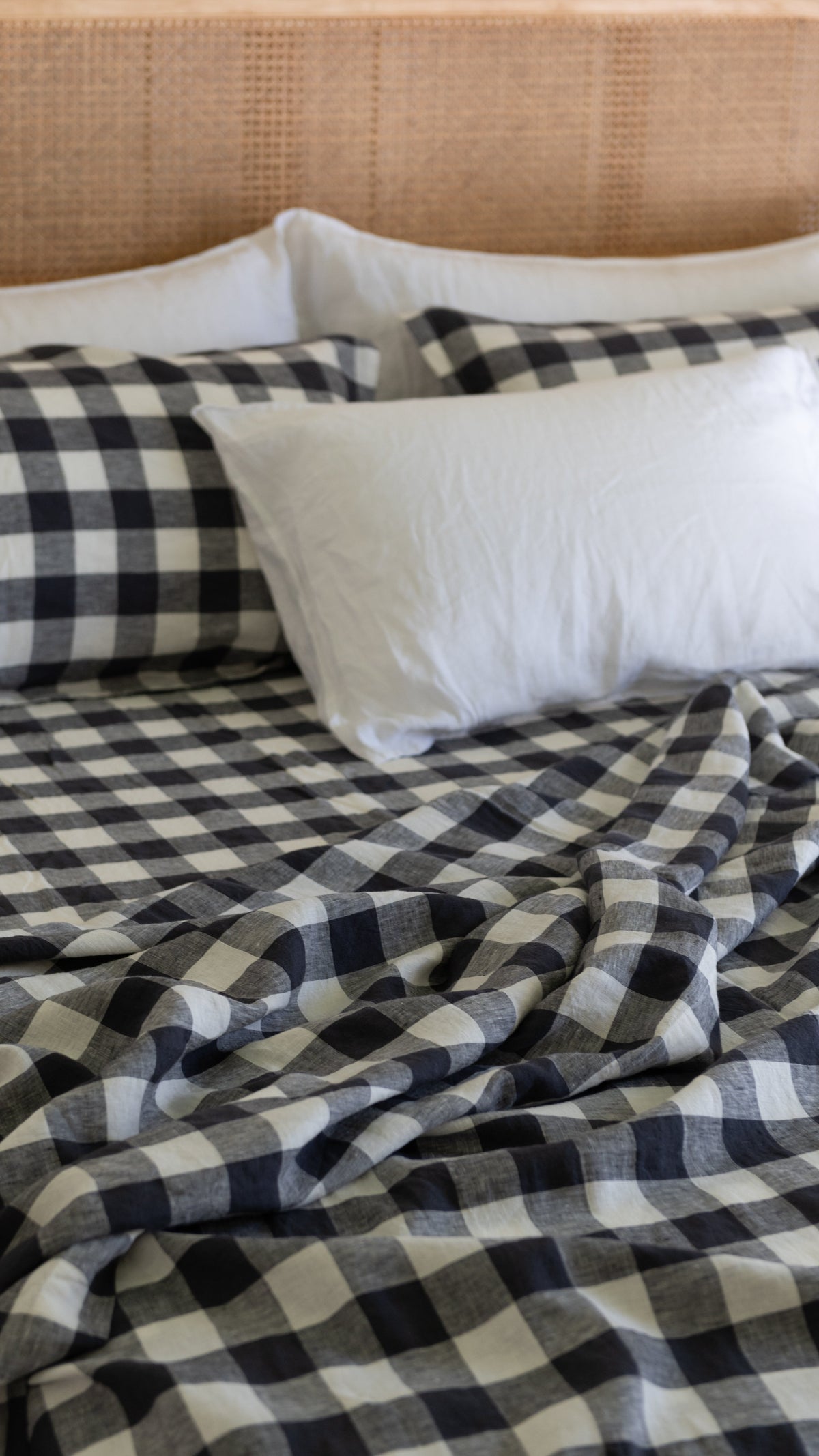
Linen is an effortless choice for Australian homes, particularly when the weather shifts between warm days and cooler nights. Made from flax, it has a naturally airy structure that allows heat to escape while still providing a comforting layer. Its dry, tactile hand feel is part of its appeal: linen never tries to feel overly polished or precious.
A linen blanket is especially useful in spring and summer, or year-round in a well-insulated home. It works beautifully over linen sheets and beneath a light doona, adding depth without unnecessary weight. Expect linen to soften and become more relaxed with washing. Its gentle creasing is not a flaw but part of the fabric's lived-in character.
For a refined bedroom palette, choose a washed neutral, muted stripe or deep earthy tone. Linen has enough texture to make even a simple bed feel layered and complete.
Cotton for familiar softness
Cotton blankets are a classic for good reason. They are easy to live with, easy to wash and available in a wide range of weights. A lightweight cotton waffle blanket gives texture and airflow, while a denser cotton weave offers a more substantial feel for cooler months.
The trade-off is that cotton can hold moisture more readily than linen or wool, depending on the weave. If you tend to sleep hot, look for a lighter construction rather than assuming a heavier cotton blanket will be more comfortable. Cotton suits households that want a versatile, low-fuss layer for guest rooms, children’s beds or everyday use.
Wool for warmth without heaviness
For genuinely cold bedrooms, wool remains one of the finest natural fibres. Its crimped structure creates pockets of air that insulate efficiently, offering warmth without the dense, flattened feeling associated with some thick synthetic throws. Wool can also absorb moisture vapour, helping the bed feel more balanced overnight.
Not all wool blankets feel alike. Fine merino is softer and lighter against the skin, while coarser wool can have more texture and structure. A wool blanket may be ideal between the sheet and doona in winter, or as the main cover for those who prefer less bedding. If you are sensitive to wool, use it as an outer layer rather than directly against bare skin.
Wool does ask for more thoughtful care. It benefits from airing and spot cleaning, and many pieces require a gentle wool wash or professional cleaning. For the warmth and longevity it offers, that extra attention is often worthwhile.
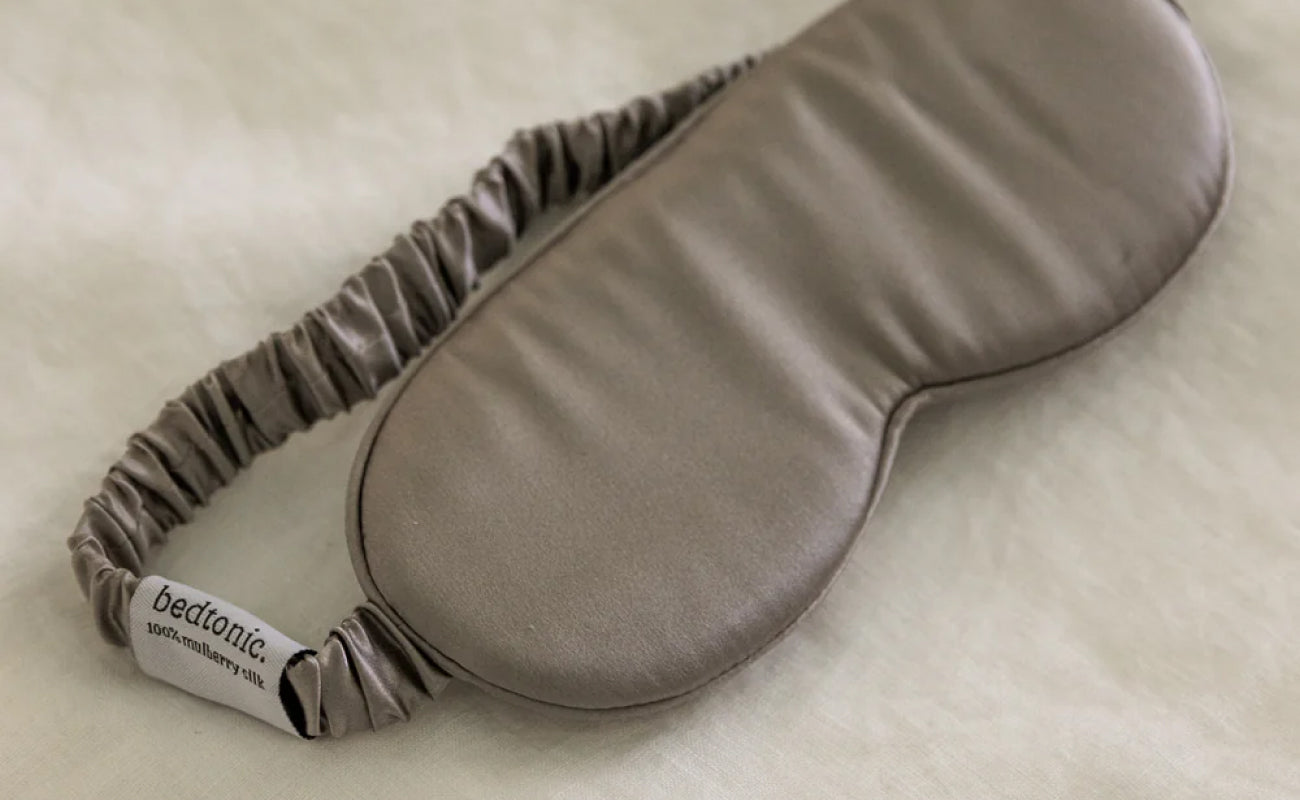
Silk for a light, polished finish
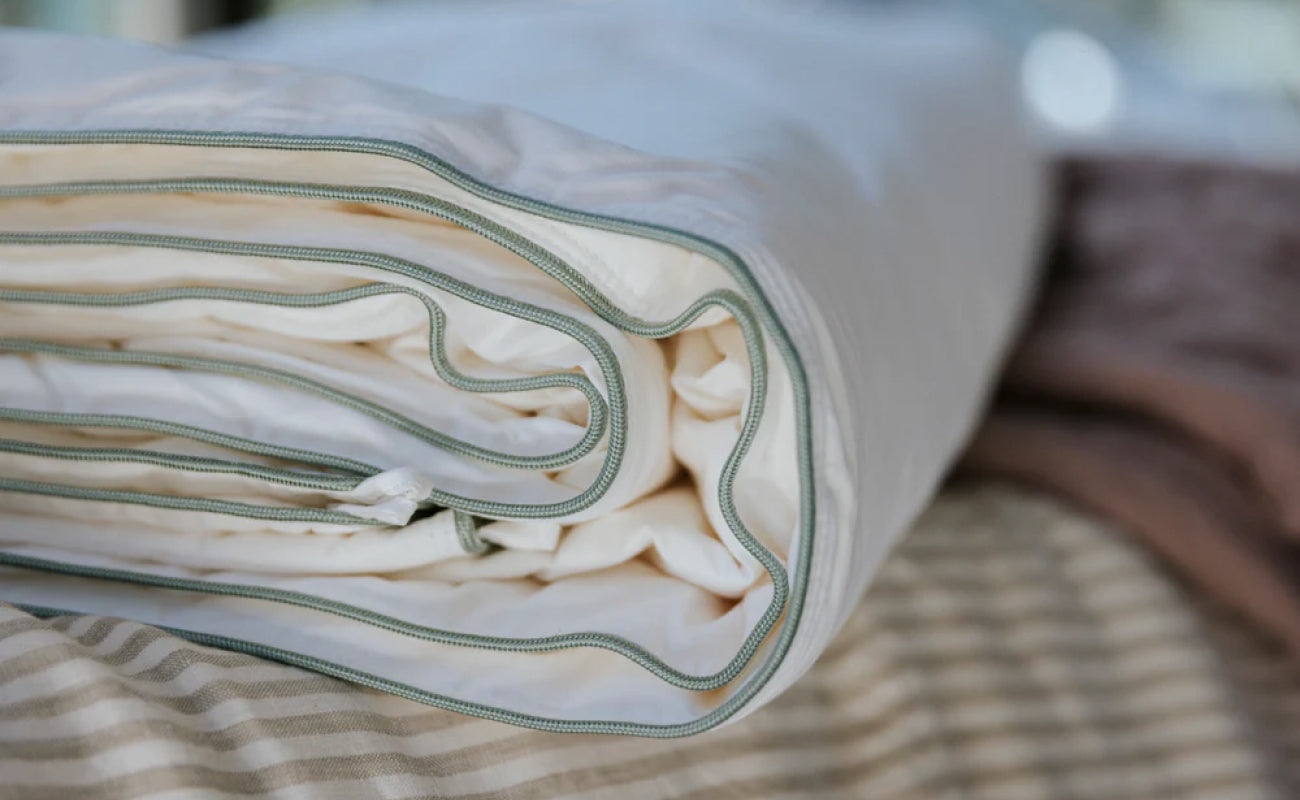
Silk is less common as a standalone blanket, but it has a place in a carefully layered bed. It is exceptionally light, smooth and temperature regulating, making it appealing for sleepers who dislike bulk. Silk-filled quilts and finer silk layers can provide warmth while retaining an almost weightless feel.
Its delicacy is both its strength and limitation. Silk needs gentler laundering, protection from direct sunlight and thoughtful storage. It is best reserved for those who value its refined feel and are comfortable giving it a little more care. For a practical everyday blanket, linen, cotton or wool will usually be the more forgiving choice.
Choosing the best natural fibre blanket for your home
Start with the room, not the product label. A south-facing bedroom in Hobart and a sun-filled apartment in Sydney need different layers. If your room stays warm overnight, a linen or open-weave cotton blanket may be all you need for much of the year. In a cooler home, pair a wool blanket with breathable sheets and adjust the doona above it as the seasons change.
Next, consider the sensation you prefer. Linen feels cool, textural and relaxed. Cotton is familiar and smooth. Wool feels insulating and cocooning. Silk is sleek and exceptionally light. There is no universal winner because comfort is personal, but it helps to be honest about whether you want crispness, softness, warmth or minimal weight.
Size also changes how a blanket performs. A generously sized blanket can be tucked around the mattress or draped low over the sides for a more luxurious look. A smaller throw-size piece is better suited to the sofa, reading chair or end of the bed. For a bedroom layer, choose enough coverage that it does not shift away from you during the night.
Finally, look beyond a fibre name alone. A blanket’s quality lies in the length and preparation of its fibres, the integrity of the weave and the finishing process. Natural materials should feel considered, not coated or overly treated. A good blanket often becomes softer, more familiar and more beautiful over time.
Care that keeps natural fibres beautiful
Gentle care preserves both the feel and lifespan of a blanket. Always follow the care label, particularly for wool and silk, but avoid over-washing any natural fibre. Airing a blanket outdoors in a shaded, breezy spot can refresh it between washes without putting the fabric through unnecessary cycles.
For linen and cotton, use a mild detergent and avoid excessive heat, which can weaken fibres and create stubborn creases. Line drying is ideal when possible. Linen can be placed back on the bed slightly damp for its most relaxed finish, while cotton may benefit from a quick shake before drying to maintain softness.
Store seasonal blankets clean and completely dry in a breathable cotton bag or cupboard. Avoid plastic tubs for long periods, as trapped moisture can encourage mustiness. Wool is best stored with a natural moth deterrent nearby, rather than heavily fragranced products that may linger in the fibres.
Layer a bed with texture, not bulk
The most inviting beds are rarely made with one heavy cover. They are built in layers that can be added or removed as the night changes. Begin with breathable sheets, add a blanket in a complementary texture, then finish with a doona or quilt suited to the season.
For warmer months, a linen blanket over a flat sheet may be enough, with a lightweight cover folded at the foot of the bed for cooler early mornings. In winter, place a wool blanket beneath the doona for warmth that feels evenly distributed rather than oppressive. A folded throw can add contrast, but it should not make the bed feel crowded.
Keep colours quiet if you want the materials to do the work. Oatmeal linen, warm white cotton, soft charcoal and earthy clay tones layer easily, allowing texture to create interest. The aim is not a perfectly styled bed that cannot be used. It is a bedroom that looks calm at midday and feels even better when you turn in.
Choose the blanket you will reach for instinctively: one that invites an afternoon rest, softens the room and makes changing seasons feel a little more comfortable.

Leave a comment
This site is protected by hCaptcha and the hCaptcha Privacy Policy and Terms of Service apply.