



A Guide to Flax Linen Bedding for Every Season
A well-made bed should feel considered before it looks considered. This guide to flax linen bedding is for those who want breathable comfort, natural texture and layers that settle beautifully into everyday life - not bedding that needs to be treated too carefully to be enjoyed.
Flax linen has a relaxed character that is hard to replicate. It is softly textured rather than glossy, gently rumpled rather than perfectly pressed, and becomes more inviting through use. For bedrooms designed around calm, comfort and enduring style, it brings an ease that suits every season in Australia.
What makes flax linen bedding different?
Linen is made from the fibres of the flax plant. Those fibres are naturally strong and hollow, helping linen respond well to changes in temperature. On warm nights, linen allows air to circulate and helps moisture move away from the skin. In cooler weather, its fibres create a comfortable insulating layer when paired with the right doona or blanket.
That versatility is why linen is not simply a summer fabric. A pure flax linen sheet set can feel cool and airy during a humid January evening, then feel cosy beneath a quilt in July. The difference lies in how you layer it, rather than switching your bedding entirely with each season.
Linen also has a character that develops over time. Fresh linen may feel lightly textured at first, particularly when compared with a very smooth cotton sateen. With washing and regular use, the fibres relax and soften. This lived-in finish is part of linen's appeal: it becomes yours, rather than remaining pristine only for the guest room.
European flax and fabric quality
Not all linen is the same. The quality of the flax, the spinning process and the finishing all influence how bedding feels and wears. European Flax® Certified linen offers useful material assurance, identifying flax grown in Western Europe under established environmental and traceability standards.
For bedding, look beyond a single number or marketing claim. Thread count is not a reliable measure of linen quality in the way it is often presented for cotton. Instead, consider whether the fabric is 100% flax linen, where the flax is sourced, how the cloth feels in hand, and whether the construction is designed for frequent washing. Good linen should feel substantial without heaviness, with enough softness to invite sleep and enough structure to drape cleanly.
Choosing flax linen bedding for your sleep style
The right linen bedding begins with the layers you use most. A fitted sheet, flat sheet, duvet cover and pillowcases each have a different role, and your preferred sleep temperature will shape the combination that works best.
If you tend to sleep warm, start with a fitted sheet and pillowcases in flax linen, then add a lightweight flat sheet beneath your doona. The fabric's breathability is especially welcome in warmer parts of Australia, where a heavy bed can feel oppressive long after sunset. A lighter doona insert gives you flexibility without losing the tactile comfort of a fully dressed bed.
If you feel the cold, linen still works beautifully. Pair it with a warmer doona insert, a wool or linen blanket, and an extra flat sheet for adjustable warmth. Linen's texture makes layered bedding feel intentional rather than bulky. A folded blanket at the end of the bed also adds warmth within reach on colder mornings.
For couples with different sleep temperatures, layering is often more useful than choosing one overly warm quilt. Linen sheets beneath a breathable doona create a balanced base, while an additional throw or blanket can serve the person who needs more warmth. It is a simple approach that keeps the bed comfortable for both sleepers.
Selecting colours that will last beyond the season
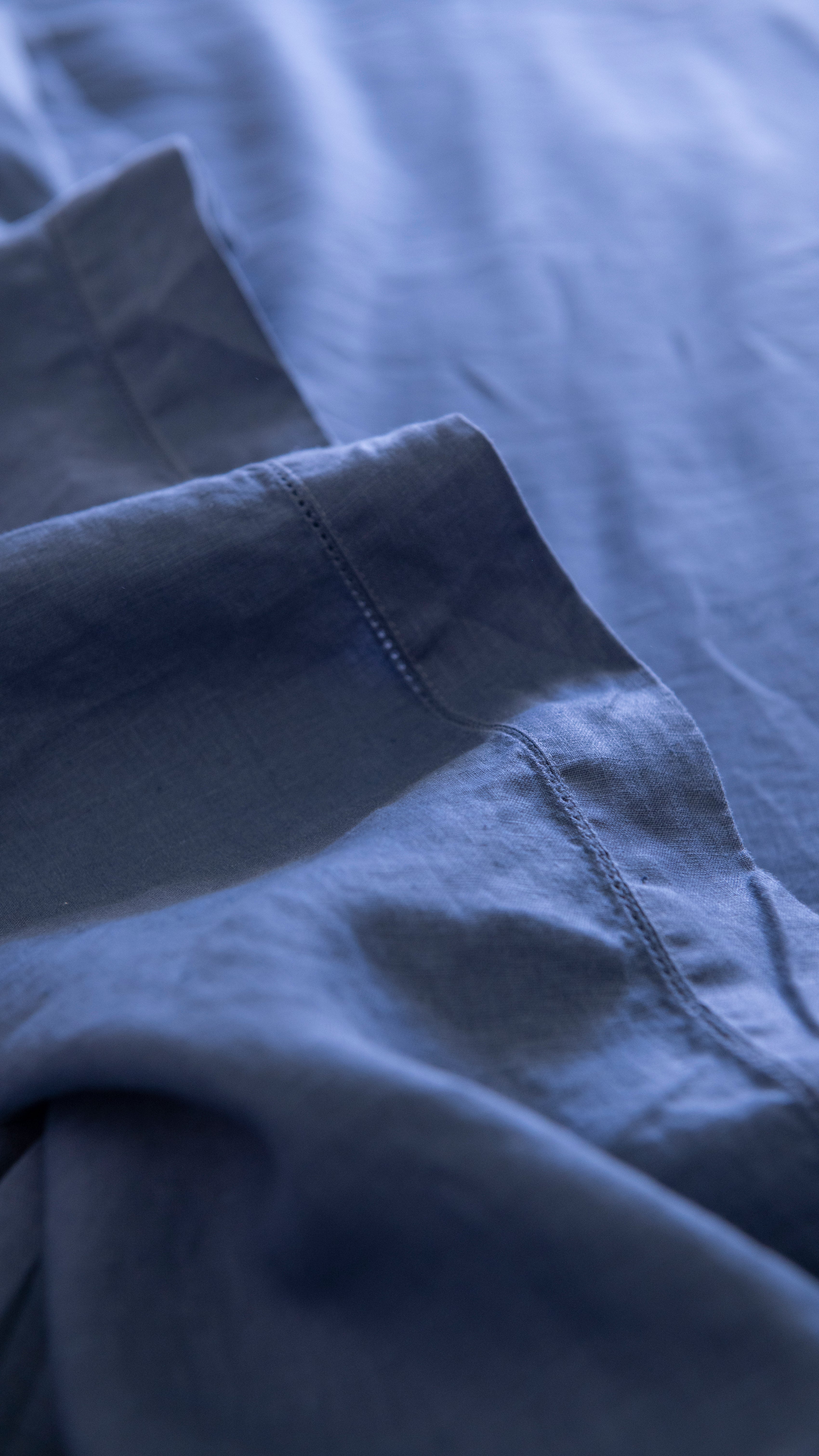
Linen takes colour with a soft, dimensional finish. Rather than appearing overly uniform, it holds subtle variations that give the bed depth. This makes it particularly suited to quiet neutrals, earthy shades and softened seasonal colour.
For a bedroom that feels settled year-round, choose a base of natural, white, oat, stone or charcoal, then introduce colour through pillowcases, a coverlet or a throw. This gives you room to change the mood without replacing every layer. A muted stripe or a washed tone can bring visual interest while preserving linen's relaxed restraint.
There is no need for every piece to match exactly. Tonal layering often feels more refined than a single block of colour. Think warm white with flax, or charcoal with soft grey, rather than treating the bed as a coordinated set that cannot evolve.
How linen should fit and feel
Beautiful fabric is only useful when it fits your bed properly. Before choosing a fitted sheet, measure the depth of your mattress, including any mattress topper. A fitted sheet that is too shallow will pull loose at the corners; one with generous depth will sit smoothly and stay in place through the night.
Check your quilt size as well. A duvet cover should allow the insert to fill the corners without leaving excessive empty fabric at the sides. If you prefer a fuller, hotel-style drape, sizing up can work on some bed frames, but it depends on the proportions of the room and the width of your mattress. In a smaller bedroom, an oversized doona can quickly feel heavy.
Pillowcases are where linen's softness is most immediately noticeable. They are also an easy way to add contrast. Use a matching pair for a clean, pared-back look, or mix two related shades for an unstudied finish.
Caring for flax linen bedding
Linen is durable, but simple care helps it soften well and retain its natural beauty. Wash it before first use if you like the feel of freshly laundered bedding, then continue with a gentle, regular routine. It does not require complicated treatment.
Wash linen in cool or lukewarm water with a mild detergent. Avoid bleach and harsh fabric softeners, which can coat or weaken natural fibres over time. Wash similar colours together, particularly for deeper or richly dyed tones, and avoid overfilling the machine so the fabric has room to move.
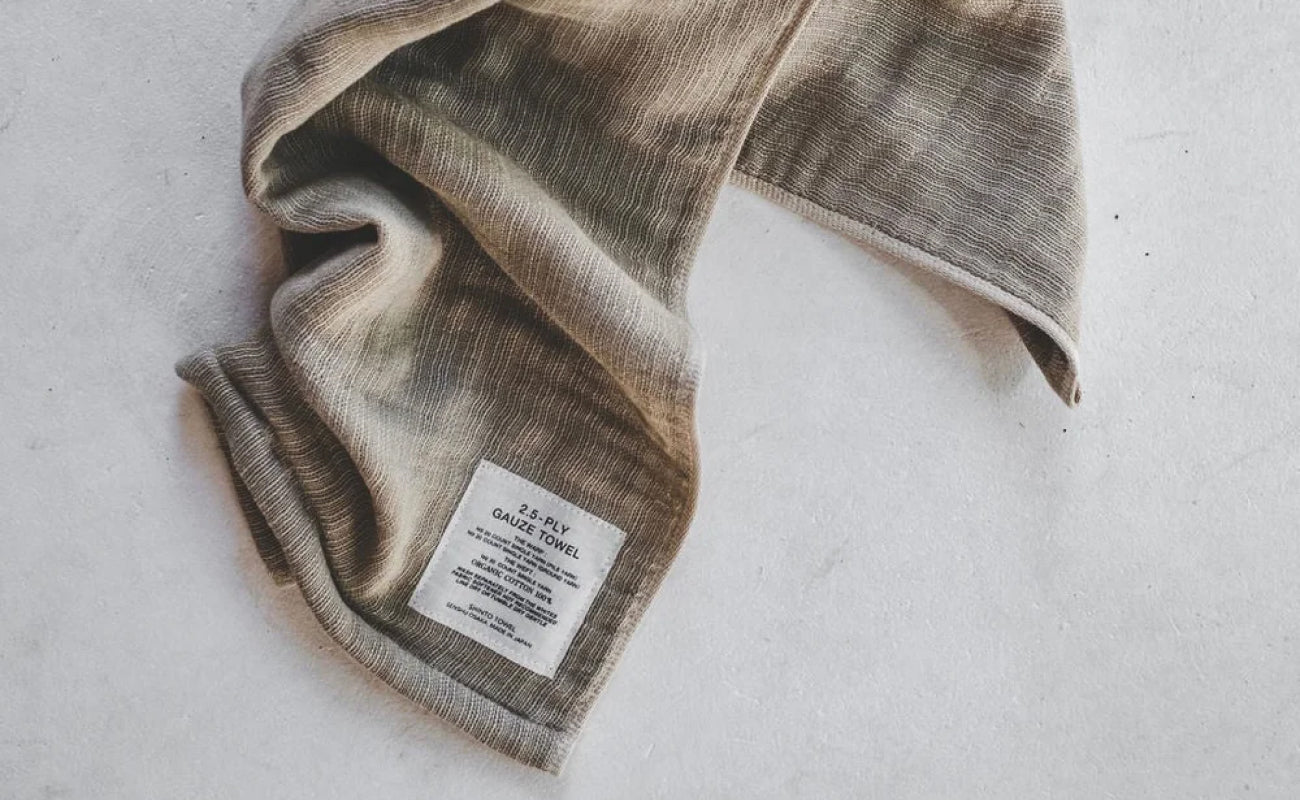
Line drying is ideal when practical, especially in the Australian sun and breeze, though prolonged direct sun may fade darker colours. If you use a dryer, select a low heat setting and remove linen while it is still slightly damp. This reduces stiffness and keeps creasing more relaxed.
Linen will wrinkle. That is not a flaw to correct at every turn, but part of its texture and charm. Smooth sheets with your hands as you make the bed, and allow the fabric to settle. If you prefer a crisper finish, a warm iron on slightly damp linen will work, though most linen beds are at their best when they look comfortably lived in.
A note on rotation and longevity
Having two or three sets in rotation is one of the kindest things you can do for any bedding. It allows each set to rest between washes, makes laundry day less urgent, and gives you more freedom to change the look of the room. Linen is made for regular use, not occasional display, but thoughtful rotation supports its long life.
Small variations in weave, texture and colour are also normal in natural flax. They are signs of a material with character, not a synthetic fabric engineered for perfect uniformity. When cared for well, linen gains softness and presence with every season.
Building a bed with softness in every layer
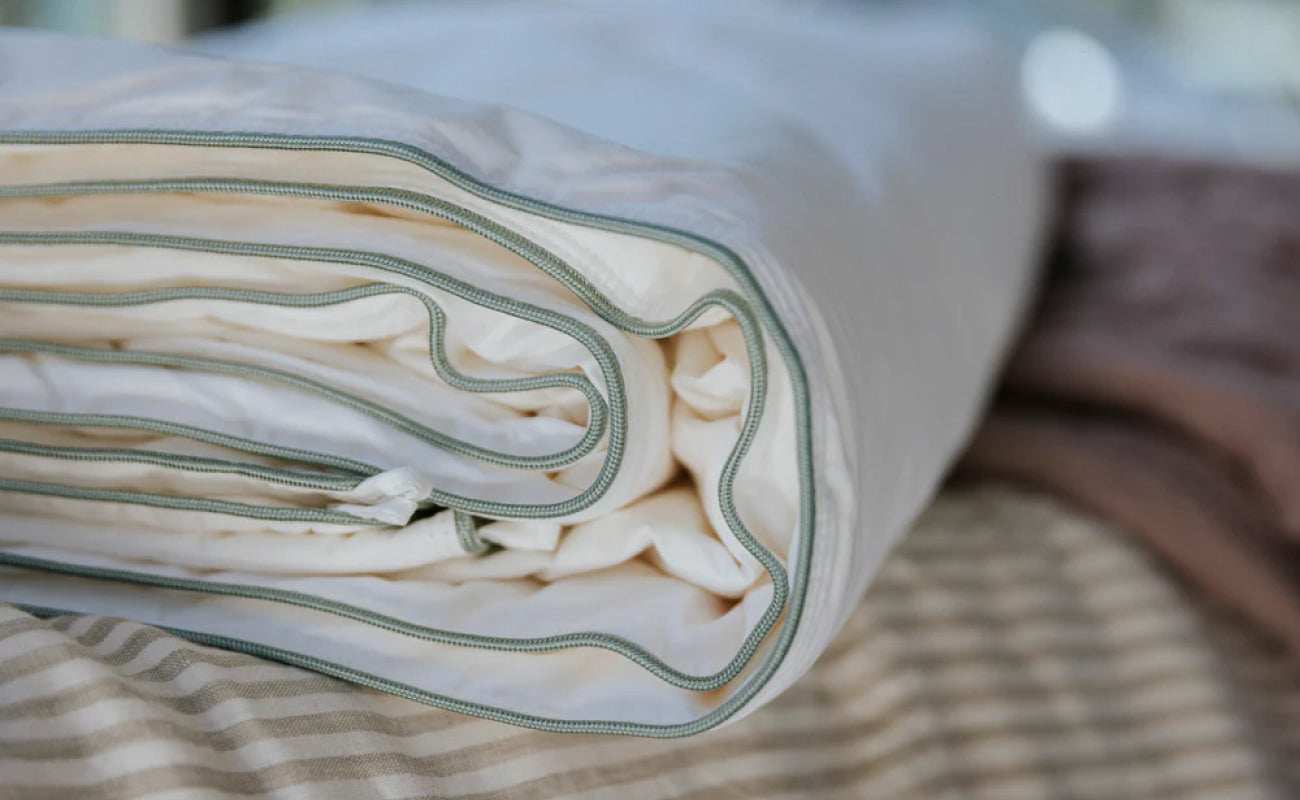
Start with the pieces that touch your skin: a fitted sheet, pillowcases and a duvet cover in 100% pure flax linen. Then build warmth and dimension gradually. A light blanket adds texture between seasons; a silk doona insert offers a refined, breathable layer; a quilted coverlet can give the bed shape during the day without making it feel over-styled.
The goal is not a bed that looks too perfect to climb into. It is one that makes an ordinary evening feel quieter: softened linen, considered colour, and layers chosen for how you actually sleep. Bedtonic linen is designed with this kind of daily ritual in mind - elevated, tactile and easy to return to night after night.
Choose the linen that suits your room and your routines, then let it relax into place. The most inviting beds are not preserved for special occasions. They are made, slept in and loved every day.


Leave a comment
This site is protected by hCaptcha and the hCaptcha Privacy Policy and Terms of Service apply.