



Silk Doona Insert vs Wool: Which is the Better Choice?
If you’ve ever woken at 3 am feeling too warm under one doona and too cool under another, you already know that choosing the right doona matters. When comparing silk doona insert vs wool, the difference is less about which fill is "best" but rather about how you like to sleep, how your bedroom holds temperature, and what kind of comfort feels luxurious to you.
Both silk and wool are natural fibres that sit well in a considered, low-synthetic bedroom setting, and both can feel like a clear step up from mass-market inserts. However these two different fibres create a very different sleep experience.
Silk doona insert vs wool: the feel is the first real difference
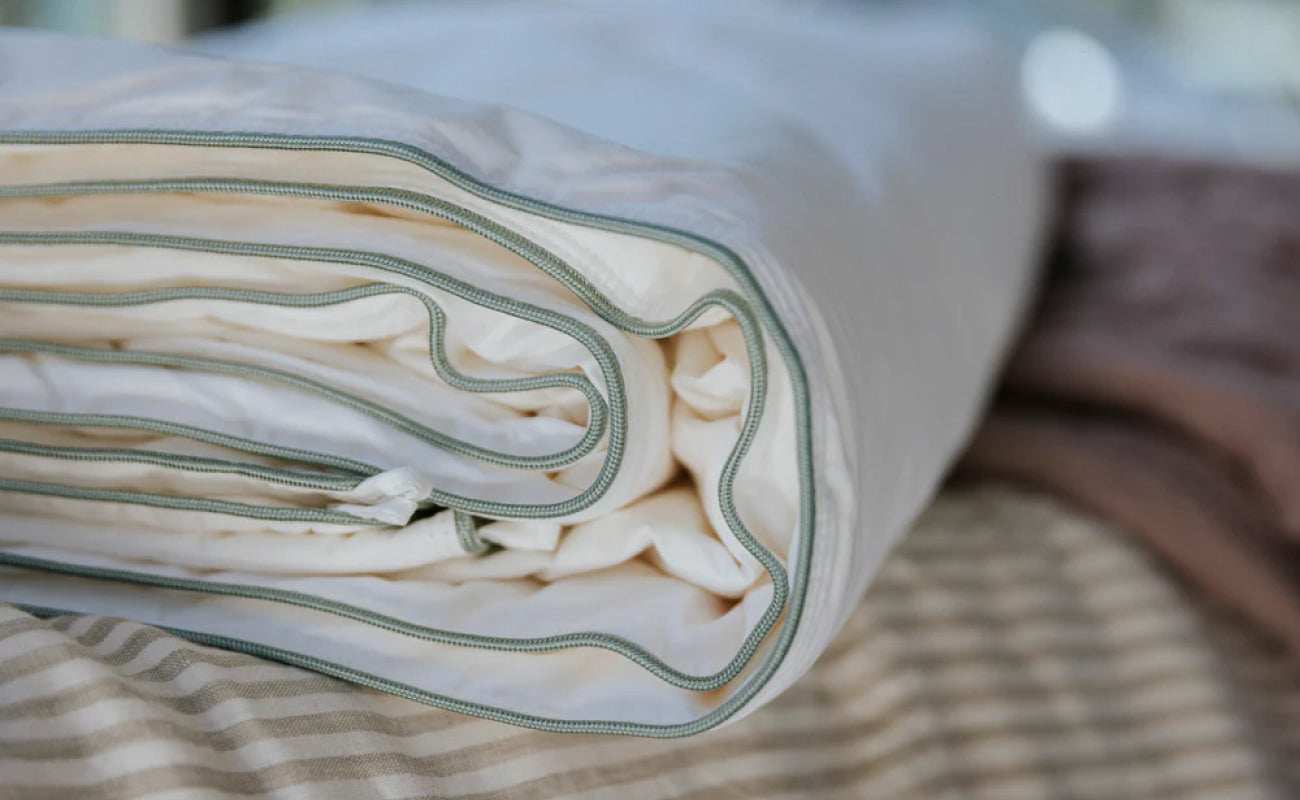
The most immediate difference between silk and wool is how they feel on the bed. A silk doona insert feels lighter, smoother and more fluid, it drapes softly over the body rather than sitting with much loft, which creates a close, cocooned feel without seeming heavy.
Wool is usually puffier and more structured. It can feel slightly weightier, even when it is still breathable, and often gives the bed a fuller look. Some sleepers love that sense of substance, while others find it a little too insulating, especially in warmer homes or through the warmer seasons.
If your idea of comfort is airy, refined and quietly warm, silk feels more elevated. However, if you prefer a doona with a bit more body and a classic cosy finish, wool may be the go to choice.
Warmth and temperature regulation
This is where the decision becomes more personal. Wool is known for warmth - it insulates very well and can be an excellent choice in cooler climates, draughty homes, or for those who feel the cold at night. It also handles moisture well, which helps reduce that clammy feeling some warm doonas create.
Silk is also temperature regulating, but it usually feels more balanced than overtly warm. It keeps warmth close without building excess heat in the same way heavier inserts can and for many sleepers, that matters. Seasons can shift quickly, and many homes need bedding that works across a wider temperature range rather than only at the coldest point of winter.
If you sleep hot, silk tends to have the edge. If you sleep cool, wool can be more reassuring. If you share a bed with someone whose temperature runs completely differently to yours, silk is often the easier compromise because it feels less stifling.
Which one best suits Australian conditions?
In much of Australia, bedding needs to work harder across inconsistent weather. Cold mornings, mild afternoons and houses that warm up quickly can make an overly insulating doona feel right for only part of the night.
That’s one reason silk has such strong appeal. It offers gentle warmth with breathability, which suits homes where a bulky winter doona may feel excessive for much of the year. Wool still has a place, particularly in colder regions or older homes, but silk often feels more adaptable in everyday use.
Breathability and moisture management
Both silk and wool breathe better than synthetic fills, but they do it differently. Wool has a strong reputation for absorbing and releasing moisture, which can help regulate humidity around the body. This is especially useful if you’re prone to feeling damp or overheated overnight.
Silk is naturally breathable too, but the experience is often finer and drier rather than lofty and ventilated. It doesn’t trap heat in the same bulky way some filled doonas can, and that gives it a cleaner, lighter sleep feel.
For hot sleepers, menopause-related heat shifts, or bedrooms that retain warmth, silk can feel noticeably calmer. Wool still performs well, but some people experience it as warmer overall, even when it is technically breathable.
Weight, drape and the look of the bed
The best bedding is rarely just functional as it changes how the bed feels, and how the room comes together.
A silk doona insert has a flatter, more elegant drape. It creates a bed that looks relaxed rather than overfilled, which suits a refined, layered bedroom with linen, soft texture and a less rigid finish. The weight is usually distributed in a way that feels even and close to the body.
Wool inserts tend to add more loft. That can look plush, but it can also feel bulkier inside some doona covers. If you prefer a neater silhouette and bedding that falls naturally, silk often pairs more beautifully with premium natural fibres such as linen.
This is not only about appearance. The way an insert drapes affects movement during sleep. A lighter, smoother insert is easier to shift under, especially if you toss and turn.
Allergy considerations and sensitivity
For sleepers with sensitivities, fibre choice matters. Silk is appreciated for its smooth structure and low-dust feel. It can be a strong option for those who want bedding that feels clean, gentle and less likely to create irritation.
Wool is natural and high-performing, but some people are sensitive to animal fibres, even when the wool is enclosed within a cotton shell. That doesn’t mean wool is unsuitable, only that comfort can be more individual here.
If tactile sensitivity is part of your decision, silk usually feels more universally soft and easy to live with.
Care and maintenance
This is one area where shoppers should be realistic. Neither silk nor wool should be treated like a low-cost synthetic doona that gets washed frequently without much thought.
Silk doona inserts generally benefit from lighter handling and less frequent washing. They are protected best with a good doona cover and regular airing. Wool also responds well to airing and may be easier in some cases when spot cleaning is needed, depending on construction and care instructions.
The practical question is not which one is completely effortless but rather which one best fits how you live. If you already care for natural-fibre bedding thoughtfully, neither should feel difficult, but if you want the most carefree option possible, neither silk nor wool is likely to be the perfect match.
Longevity and value
Premium bedding is an investment, so value matters. Wool can be very durable and resilient over time, particularly when well made. It tends to hold its insulating character well and suits buyers who want a dependable cold-weather layer.
Silk also offers excellent longevity when properly cared for, but its value is often felt in the sleep experience as much as the lifespan. The lightness, drape and year-round comfort can make it feel like a more versatile luxury, rather than a purely seasonal purchase.
In other words, wool often reads as practical warmth, whereas silk reads as everyday refinement. Neither is cheap, but they justify their place differently.
Who should choose silk, and who should choose wool?
Choose silk if you want a doona insert that feels light, breathable and softly insulating rather than heavily warm. It suits hot sleepers, design-conscious bedrooms, and anyone who wants bedding to feel calm, polished and easy across more of the year.
Choose wool if you feel the cold, live in a cooler climate, or genuinely love a fuller, cosier doona. It can be especially appealing if winter warmth is your top priority and a little more loft feels comforting rather than cumbersome.
The better choice for a premium sleep setup
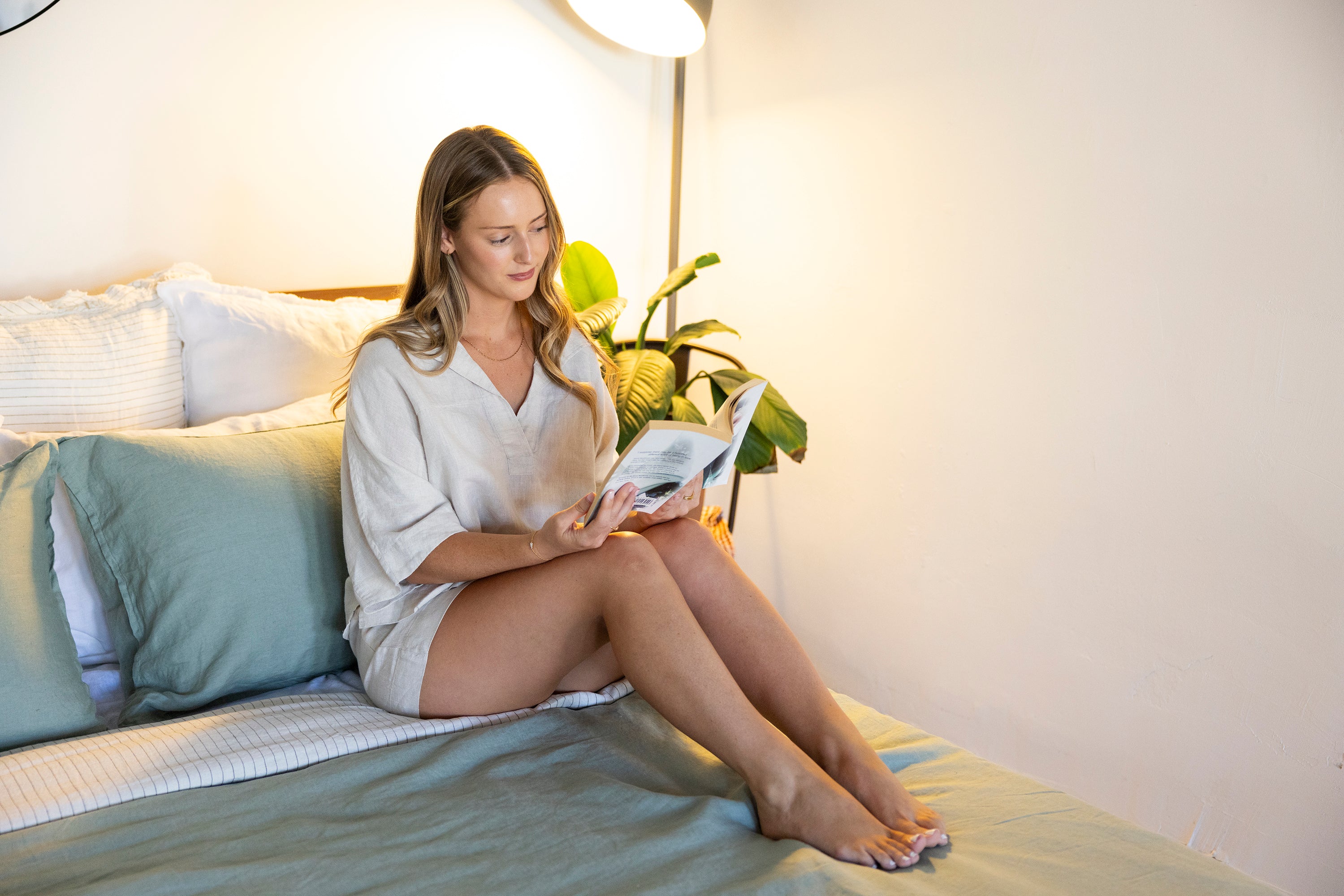
If your bedroom leans toward natural textures, relaxed luxury and comfort that doesn’t feel overworked, silk fits more seamlessly. It complements linen particularly well because both materials share that breathable, understated ease. For a brand like bedtonic, where softness, natural fibres and elevated daily living sit at the centre, silk feels especially aligned with that way of living.
So, which is better?
The honest answer is that silk and wool serve different sleepers. Wool is warmer, loftier and often better for true cold, whereas silk is lighter, smoother and usually better for balanced comfort in changing conditions.
If you’ve been disappointed by doonas that feel bulky, stuffy or too winter-specific, silk is likely the more satisfying upgrade. If you want to climb into a bed that feels deeply insulated on the coldest nights, wool may suit you better.
The best insert is the one that disappears once you’re asleep - not because it does nothing, but because it gets every layer just right. Choose the fill that matches your body, your room and the way you want the bed to feel at the end of the day.


Leave a comment
This site is protected by hCaptcha and the hCaptcha Privacy Policy and Terms of Service apply.