



Silk Doona Insert: What to Look For in Australia
A doona can look perfect on the bed and still feel wrong at 2am. Too warm, too weighty, too synthetic, too flat. For anyone searching for a silk doona insert in Australia that you genuinely enjoy using year-round, the difference usually comes down to how the insert handles temperature, drape and comfort over time.
Silk has a quieter kind of luxury. It does not rely on bulk to feel warm, and it does not need a lofty, overfilled look to feel generous. Instead, it offers soft insulation, natural breathability and a smoother, lighter feel that suits the way many Australian homes are lived in - with changing seasons, layered bedding and a preference for comfort that feels effortless rather than heavy.
Why a silk doona insert makes sense in Australia
Australian sleep conditions are rarely one-note. Even in cooler states, nights can shift quickly, and heated interiors are not always part of daily life in the same way they are elsewhere. In warmer regions, the challenge is different again. You want enough warmth for comfort, without trapping heat and waking up restless.
This is where a silk doona insert tends to stand apart. Silk is naturally temperature regulating, which means it helps maintain a more even sleep environment rather than swinging between chilly and overheated. It also has a lightness that feels refined on the body. If you like bedding that settles softly rather than pressing down, silk has a distinctly elevated feel.
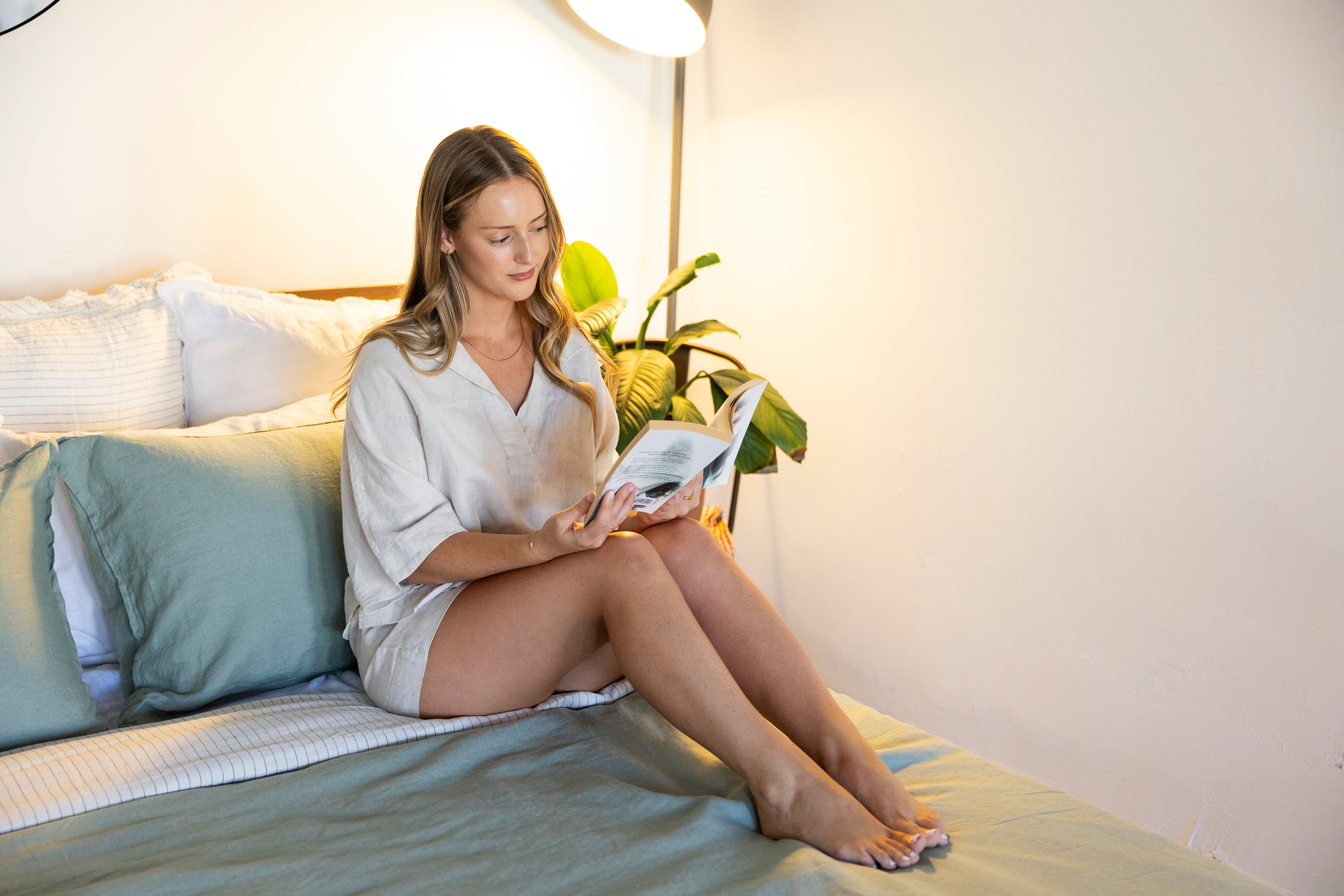
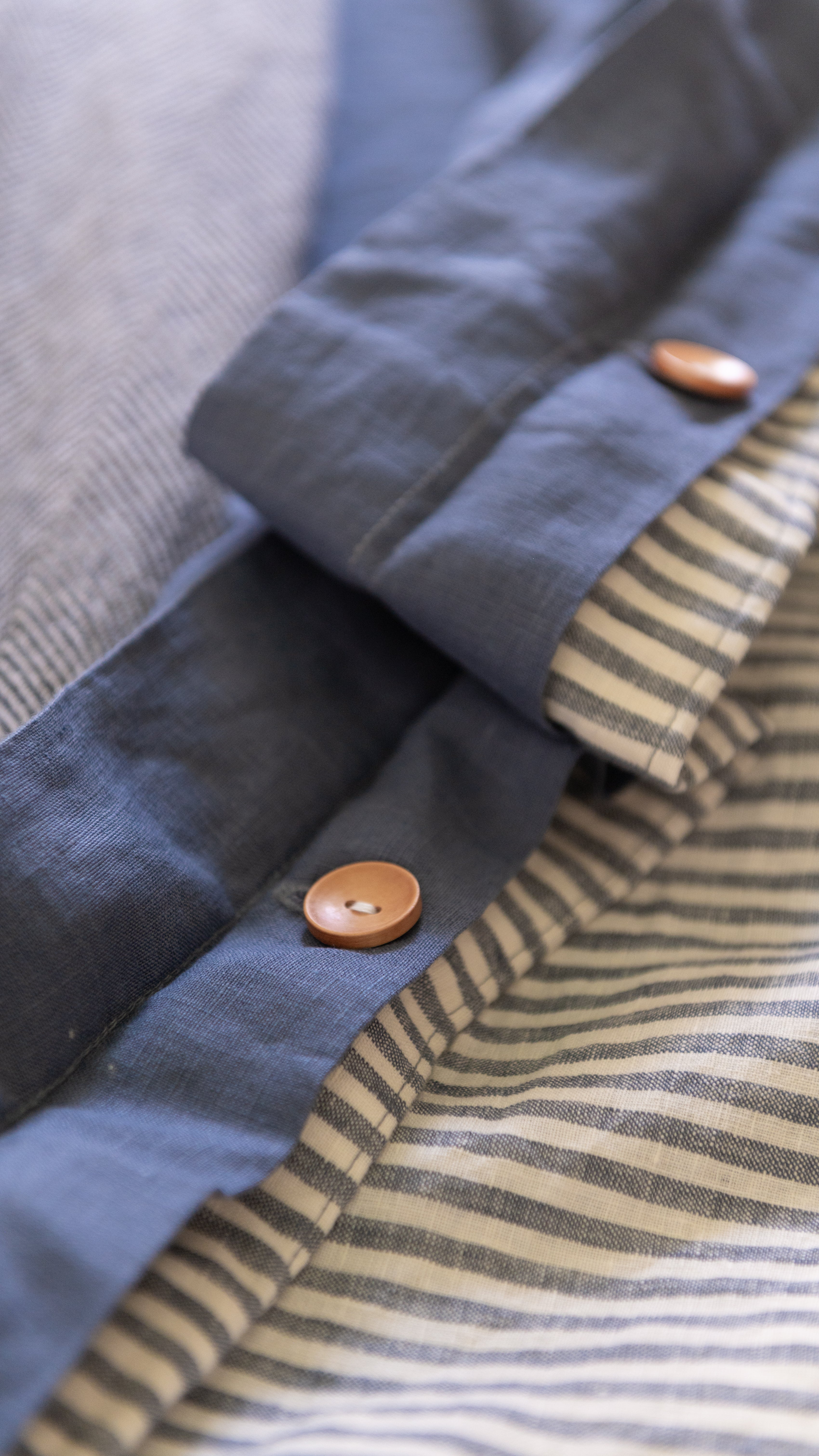
There is also the aesthetic side. A silk insert pairs beautifully with premium natural bedding, especially linen. The combination feels relaxed, breathable and considered. It suits homes where the bed is not only for sleep, but part of the overall atmosphere of the room.
What makes silk different from other doona fills
Not all natural fills behave in the same way. Wool is excellent for insulation and can be a practical choice in colder climates, but it often has more heft. Down can feel lofty and warm, yet warmth levels vary widely and some sleepers find it too insulating. Microfibre is usually more affordable, though it often lacks the breathability and long-term feel of natural fibres.
Silk sits in a more balanced space. It is warm without being stifling, soft without looking overstuffed, and breathable in a way that feels especially relevant for Australian conditions. For sleepers who prefer a clean, lightly cocooning feel rather than cloud-like puffiness, that balance can be the deciding factor.
There are trade-offs, of course. A silk doona insert is typically a more premium purchase, and it usually asks for gentler care than low-cost synthetic alternatives. But for many people, that is exactly the point. It is less about buying volume and more about choosing better materials, better sleep and a bed that feels more composed every night.
How to choose the right silk doona insert that Australian shoppers can trust
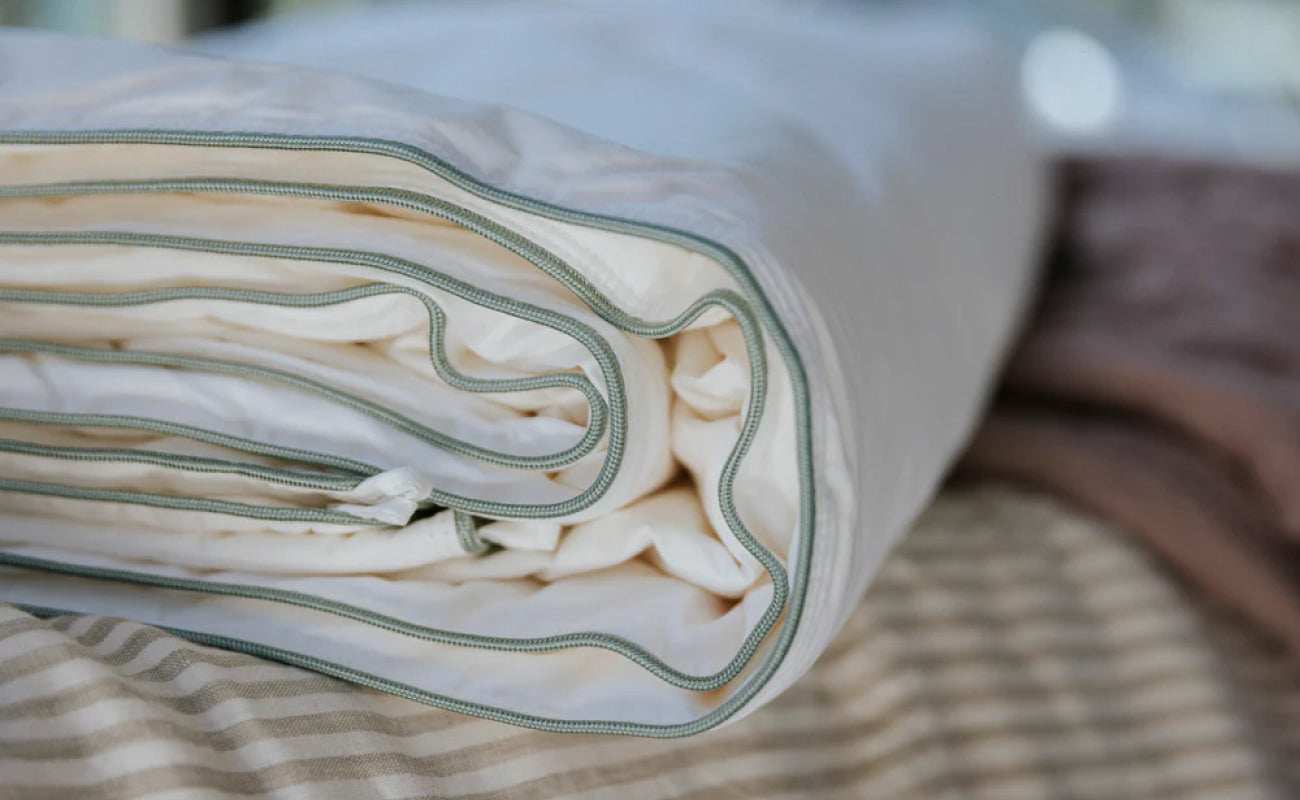
The first thing to check is the silk fill itself. Long-strand silk generally creates a smoother, more stable insert because the fibres layer more evenly and are less likely to clump. This affects not only comfort, but how the doona drapes and wears over time.
The outer casing matters just as much. A breathable cotton shell helps the silk perform properly, allowing air to circulate while keeping the insert soft and quiet under a cover. If the casing feels stiff or overly processed, the overall sleep experience can lose some of the softness silk is known for.
Warmth level is the next consideration. A lighter-weight silk insert can be ideal for much of the year, particularly in milder climates or for naturally warm sleepers. If you live in a colder part of Australia or prefer a cosier bed in winter, a higher fill weight may be the better fit. There is no universal best option here. The right choice depends on your home, your layering habits and whether you sleep warm or cool.
Size should be approached carefully too. A doona insert that sits neatly inside your cover creates a cleaner finish and avoids bunching or empty corners. If your bedding is part of a carefully styled bedroom, this detail makes more difference than it seems.
Silk doona insert buyers should consider by season
One of the strongest arguments for silk is versatility. In spring and autumn, when temperatures can shift from warm evenings to cooler early mornings, silk tends to keep a steadier feel through the night. It does not overwhelm the bed, and it layers well with linen sheets and a blanket if needed.
In summer, a lightweight silk insert can still be useful, particularly for those who prefer sleeping under a doona rather than a coverlet alone. The feel is breathable and soft, not dense or suffocating. In winter, silk often works best as part of a layered bed rather than as an ultra-heavy standalone option. Think linen fitted sheet, linen duvet cover, silk insert, then an added blanket for the coldest nights.
That layered approach suits Australian homes beautifully. It gives you more control, looks more relaxed and allows the bed to shift with the season instead of forcing one doona to do everything.
The feel of silk under linen
For shoppers already drawn to natural fibres, silk and linen are an especially appealing combination. Linen brings texture, airflow and an easy visual softness. Silk brings gentle insulation and fluid drape. Together, they create a bed that feels both elevated and understated.
This pairing also makes practical sense. Linen has a lived-in ease that improves with washing, while silk offers comfort that feels stable and calm beneath it. The result is not flashy luxury. It is the kind that settles quietly into everyday life and makes the room feel better organised, more restful and more complete.
That is often what premium bedding should do. Not demand attention, but improve the experience of being at home.
Care and longevity
A silk doona insert rewards a little care. Airing it out regularly helps preserve freshness, and using a doona cover protects it from everyday wear. Depending on the construction, many silk inserts are better suited to spot cleaning or professional cleaning than frequent machine washing, so it is worth checking care instructions before buying.
This is not necessarily a drawback, just a different ownership experience. Higher-quality natural bedding often asks for more considered care because the materials themselves are finer. In return, you get a product that feels better on the bed and often maintains its comfort more gracefully than cheaper alternatives.
If longevity matters to you, construction details are worth noticing. Even stitching, thoughtful quilting and quality shell fabric all contribute to how well the insert holds its shape. A beautifully made silk doona insert should feel consistent across the whole bed, without heavy patches or empty sections.
Is a silk doona insert worth it?
For some households, the answer will be immediate. If you value breathable natural materials, prefer a lighter feel on the body and want bedding that aligns with a calm, refined bedroom, silk is a very strong choice. It feels premium in a way that is tactile rather than showy.
For others, it depends. If you want maximum winter warmth from one doona alone, wool or a heavier fill may suit you better. If budget is the main driver, synthetic options will usually cost less upfront. But if your focus is on comfort, material quality and creating a bed that feels as good as it looks, silk earns its place.
That is why a silk doona that customers return to is rarely chosen on price alone. It is chosen for how it sleeps, how it layers and how naturally it fits into a more considered home. At bedtonic, that kind of everyday luxury is the point - softness in every layer, and comfort that feels beautifully easy to live with.
The best bedding is never only about warmth. It is about how the room feels when you turn the light off, settle in, and notice that everything is just right.

Leave a comment
This site is protected by hCaptcha and the hCaptcha Privacy Policy and Terms of Service apply.