


Bedding Fabric Review: What Feels Best
There is a big difference between bedding that looks premium on a product page and bedding that still feels beautiful after months of real sleep. A thoughtful bedding fabric review starts with that distinction - not just fibre names, but how each fabric lives in the bedroom, across seasons, and through regular washing.
If you are choosing between linen, cotton, silk or bamboo, the right answer is rarely the softest fabric on first touch. It is the one that suits how you sleep, how warm your room runs, how much texture you like, and whether you want your bed to feel crisp, fluid or quietly relaxed. Premium bedding is not the look - it is a material decision.
A bedding fabric review starts with the fibre, not the finish
Many bedding descriptions focus on thread count, surface feel or polished marketing language. Those details can help, but fibre composition matters more. The base material determines breathability, moisture handling, durability and how the fabric settles over time.
Natural fibres lead the premium category for good reason. They tend to breathe better, feel more comfortable against the skin and age with more character than synthetics. That does not mean every natural fibre suits every sleeper. It means the best choice depends on what you want from the bed every night.
Linen
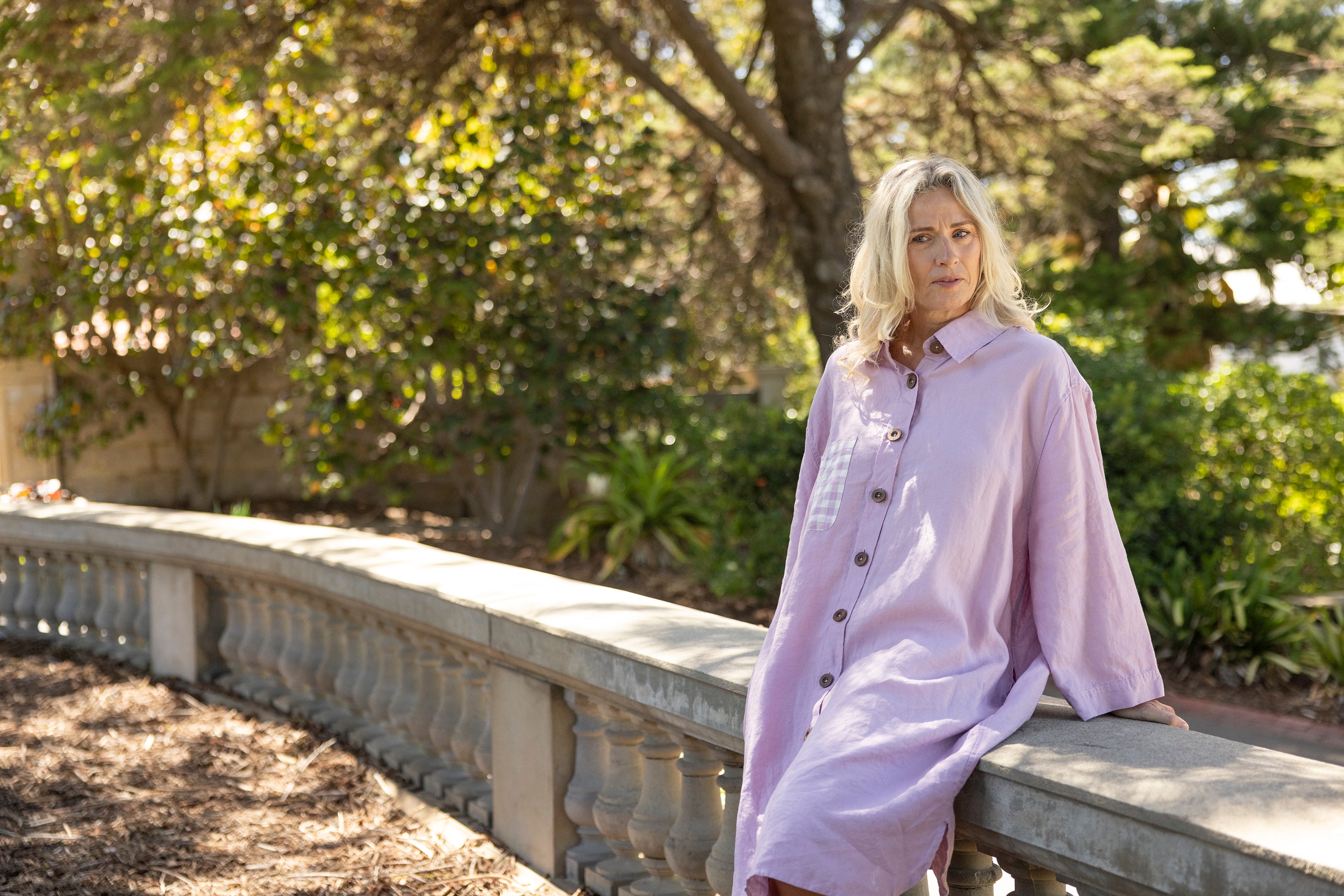
Linen sits in a distinct category because it feels premium in a less polished, more lived-in way. Made from flax plant fibres, it has a dry hand feel at first, then softens with use. Good linen does not chase a glossy hotel finish. It offers texture, airflow and a relaxed drape that makes the bed feel effortless rather than over-styled.
For Australian homes, linen earns its place through breathability. It allows heat to escape well, absorbs moisture without feeling clammy and works across warm nights and cooler months with the right layering. That year-round versatility is a major reason people return to it.
The trade-off is that linen is not silky-smooth out of the packet, and it creases. For many people, that is part of its appeal. If you prefer a crisp, formal bed with a pressed finish, linen may feel too casual. If you want softness with texture and a more natural look, it is hard to beat.
European flax linen tends to be the benchmark in this space because the fibre quality, climate and processing standards are generally stronger. When linen is made well, it gets better with age.
Cotton
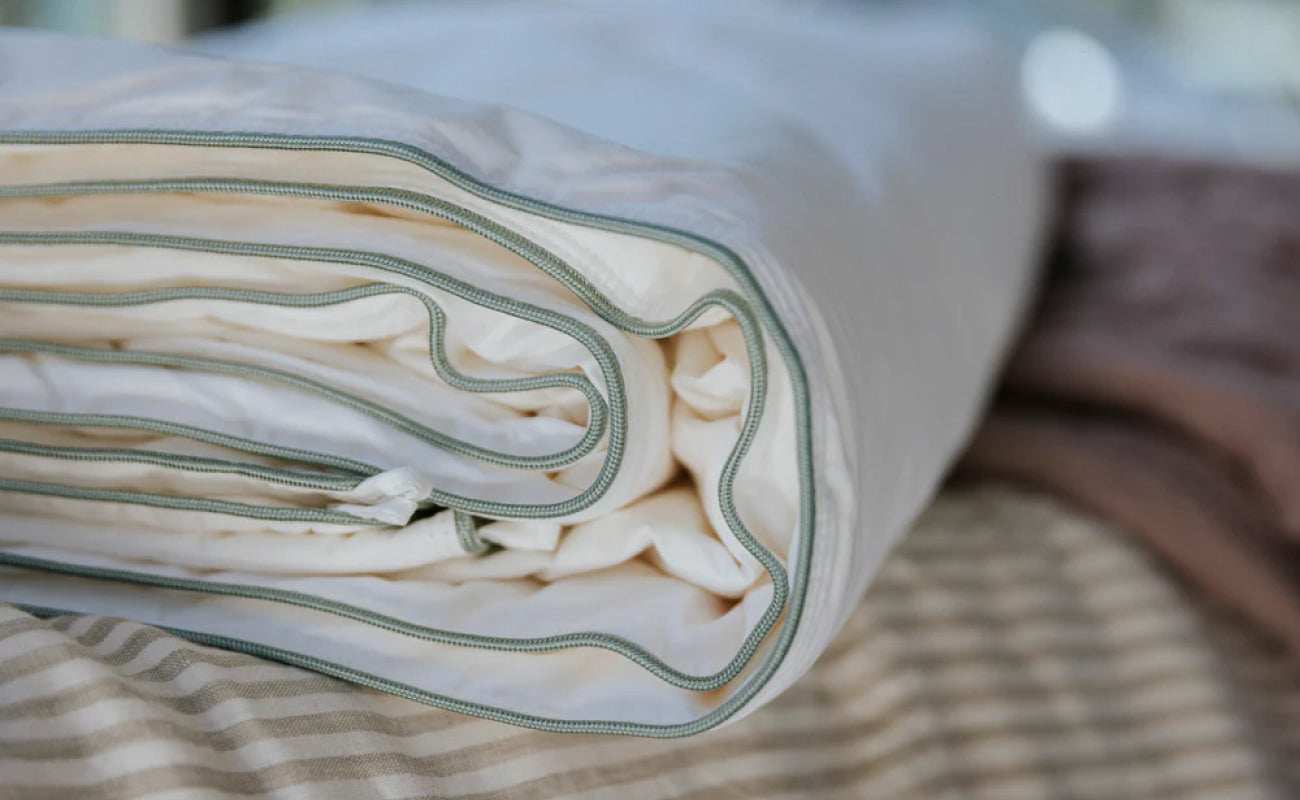
Cotton remains the most familiar bedding fabric, but it is also the broadest category. Not all cotton feels the same, and that is where many shoppers get caught. Long-staple cotton, Egyptian cotton and quality percale or sateen weaves can all perform beautifully, but they offer different experiences.
Percale cotton feels cool, crisp and matte. It suits sleepers who like a fresh-sheet feel and a cleaner, more tailored bed. Sateen cotton is smoother and slightly lustrous, with a softer drape and a warmer feel. It often reads as more luxurious at first touch, though some people find it less breathable in Summer.
Cotton is usually easier for first-time premium bedding buyers because it feels familiar. It also wrinkles dramatically less than linen and can suit those who want a neater finish. The limitation is that cotton does not always deliver the same airflow or texture-led character as flax linen, particularly in humid weather.
Silk
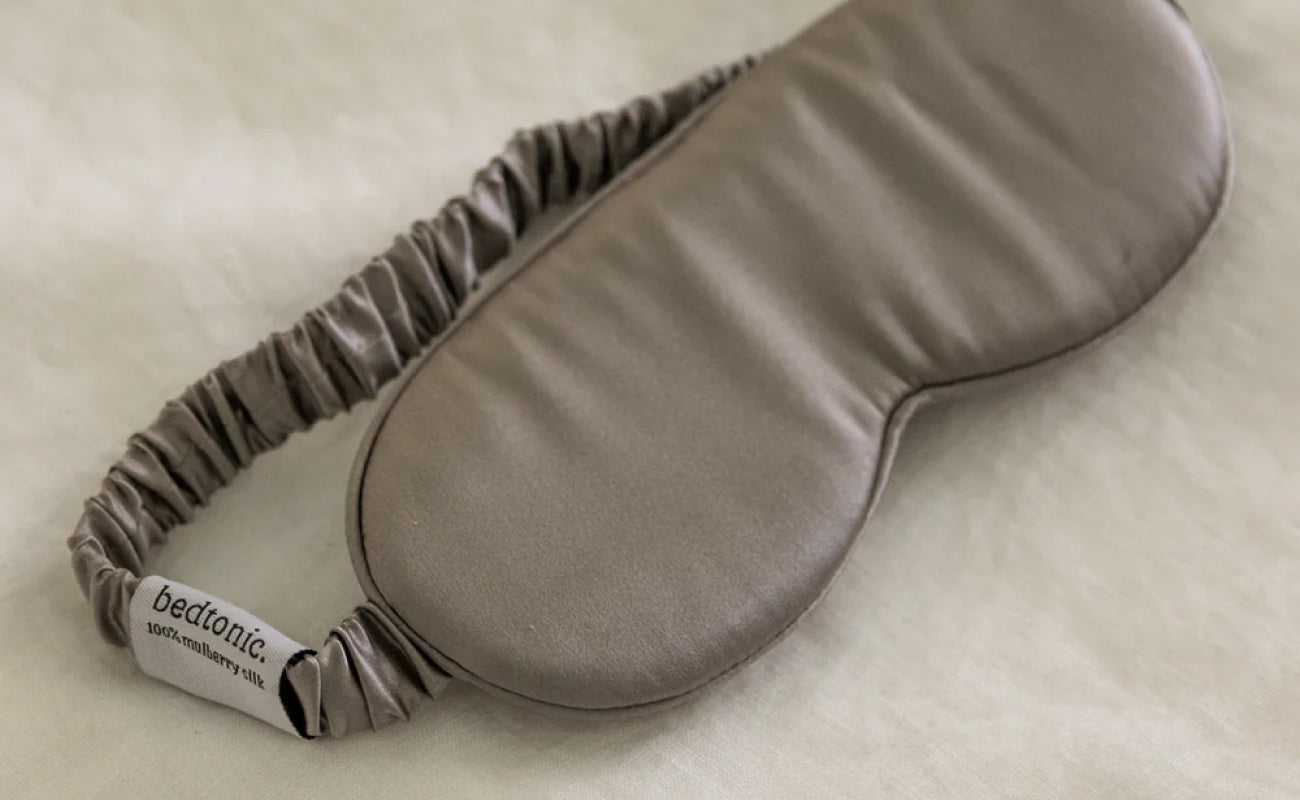
Silk is unmistakably luxurious. It feels cool, fluid and smooth against the skin, and it has obvious appeal for anyone drawn to an elevated sleep setting. It can also be gentle on hair and skin due to its low-friction surface, which is why silk pillowcases are so popular.
As full bedding, though, silk is more specific. It is delicate, requires more careful laundering and can feel too precious for everyday use in a busy household and tends to sit at a much higher price point. For some, that level of indulgence is exactly the point. For others, it is better reserved for accents rather than a full sheet set.
Silk performs best when the priority is smoothness and refined finish rather than durability and low-maintenance living. It is beautiful, but it asks more of the owner.
Bamboo
Bamboo bedding often enters the premium conversation because it feels soft and drapey. Depending on how it is processed, it can offer a silky hand feel and good moisture management. It is often marketed heavily around cooling, which can be true in some constructions, though performance varies.
The main point to watch is that bamboo viscose is not the same as a simple, minimally processed natural fibre. The feel can be lovely, but shoppers who are specifically seeking material purity may prefer linen or cotton. Bamboo also tends to have a sleeker finish, which some people love and others find slightly too slippery for everyday bedding.
Bedding fabric review: how they compare in real life
The biggest difference between these fabrics appears after repeated use. Linen becomes softer and more supple while keeping its character. Cotton may start soft and stay reliable, though lower-quality cotton can thin or pill. Silk stays beautiful with care but is less forgiving. Bamboo keeps its fluid softness, though long-term durability depends heavily on quality.
Temperature regulation is another dividing line. Linen performs exceptionally well across mixed Australian seasons, especially for warm sleepers. Percale cotton is also a strong choice for cooler-feeling comfort. Sateen cotton and bamboo can feel warmer or closer to the skin. Silk often feels cool initially, but as complete bedding it is not always the most practical option for changing conditions.
Then there is the visual finish. Linen brings texture and a relaxed, premium ease. Cotton looks cleaner and more structured. Silk feels polished and glamorous. Bamboo sits somewhere between sleek and casual, depending on weave and weight. None is universally better and the best choice is one that supports the atmosphere you want in the room.
What makes a fabric feel genuinely premium
Price alone does not make bedding premium. Fabric quality shows up in weight, consistency, stitching and the way the material responds over time. A premium set should feel considered in every layer - from fibre source to finishing details.
Certification can be a useful signal, particularly with flax linen. European Flax certification, for example, points to traceable fibre standards and gives added confidence around origin. Construction matters too. Even excellent fabric can disappoint if seams twist, pillowcases lose shape or fitted sheets fail to hold properly.
This is where a more restrained, material-led brand approach often says more than exaggerated claims. If a product speaks clearly about fibre, weave, weight and origin, that usually suggests a stronger level of confidence than inflated promises about perfection.
Which fabric suits which sleeper
If you sleep hot, prefer a natural texture and want bedding that softens beautifully over time, linen is the strongest choice. It suits those who want their bedroom to feel calm, elevated and unfussy.
If you like a classic bed, want an easier transition from standard sheets and prefer a smoother finish, premium cotton is the safer option. Percale works well for a cooler feel, while sateen leans softer and warmer.
If your priority is touch above all else and you are happy with more delicate care, silk can feel exceptional. If you are drawn to a fluid, silky drape and a softer surface than cotton, bamboo may appeal, though quality varies more widely.
For many design-conscious homes, linen ends up offering the best balance. It feels luxurious without being precious. It has depth, texture and comfort, and it wears in rather than wearing out. That balance is a large part of why brands such as bedtonic have built their identity around pure flax linen rather than chasing every fabric trend.
The fabric that keeps earning its place
A good bed should feel better at the end of the day than it did in the cart. That is why the most useful bedding fabric review is not about hype or surface softness alone. It is about how a fabric breathes at midnight, washes on Sunday, and settles into the room for years.
If you want bedding that feels polished, practical and quietly luxurious, start with the fibre that matches your habits, not just your first impression. The best fabric is the one you look forward to slipping back into, night after night.


Leave a comment
This site is protected by hCaptcha and the hCaptcha Privacy Policy and Terms of Service apply.