



Natural Fibre Bedding Guide for Better Sleep
A bed can look beautifully considered and still feel wrong at 2 am. Often, the difference comes down to what sits against your skin: a fabric that holds heat, feels slick, or loses its softness after a few washes can quietly disrupt the comfort of the room. This natural fibre bedding guide is designed to make choosing easier, with a focus on materials that feel good, wear well and suit Australian seasons.
Natural fibres are not interchangeable. Linen has a relaxed texture and exceptional airflow. Cotton can feel smooth and familiar. Wool offers gentle insulation, while silk brings a light, refined finish. The right choice depends on how you sleep, the climate where you live and the kind of bed you want to come home to.
Start with the layer closest to you
Sheets and pillowcases have the greatest contact with your body, so they are the best place to invest in fibre quality. Rather than thinking only about thread count or colour, consider temperature, texture and how much care you are comfortable giving your bedding.
For warm sleepers, breathability is usually the priority. For those who feel cold overnight, the aim is not necessarily a heavier sheet, but a fibre that can help regulate warmth without trapping moisture. Natural fibres tend to do this particularly well because they absorb and release moisture more readily than many synthetics.
The finish matters too. A crisp percale cotton sheet, a washed linen sheet and a smooth silk pillowcase can all be natural, but they create very different sleeping experiences. There is no universal best fabric. There is only the one that suits your nightly rhythm.
Linen: relaxed texture, lasting comfort
Pure flax linen is a considered choice for sleepers who prefer bedding with character. Its fibres allow air to move freely, helping the bed feel cooler through humid nights while remaining comfortably insulating when the temperature drops. This makes linen especially appealing in much of Australia, where the weather can change dramatically across the year.
Linen begins with a tactile, lightly textured feel and softens over time. It does not need to be pressed into a perfectly smooth finish to look beautiful. A little natural creasing is part of its appeal, lending the bedroom an ease that feels lived-in rather than overly styled.
Look for 100% flax linen when you want the full benefit of the fibre. Blends may lower the price or reduce wrinkling, but they can also alter linen's distinctive breathability and handle. European Flax® Certified linen offers added reassurance around the origin and traceability of the flax, which matters when material integrity is part of the purchase.
Linen is not for everyone. If you want a very crisp hotel-sheet feel from the first night, cotton percale may be a better match. But if you value softness that develops with use, a naturally relaxed finish and bedding that carries you from summer into winter, linen earns its place. Bedtonic's pure flax linen bedding is made for precisely this kind of everyday ease.
Cotton: familiar, versatile and varied
Cotton is often the starting point for natural bedding, but the category is much broader than it first appears. The weave changes the feel as much as the fibre itself.
Percale cotton has a simple, closely woven construction that feels crisp, cool and matte. It is a good option for people who like a freshly made bed and sleep warm. Sateen cotton uses a different weave, creating a smoother surface with a subtle sheen. It often feels warmer and more draped, which can suit cooler rooms or sleepers who enjoy a silkier hand feel.
When comparing cotton sheets, long-staple fibres are generally valued for their strength and smoothness. Still, avoid treating thread count as a shortcut to quality. An inflated number can be achieved with multi-ply yarns, and a high thread count does not guarantee better breathability, durability or comfort. The quality of the cotton, the weave and the finish deserve more attention.
Cotton is an excellent all-rounder, though it may not regulate moisture as effortlessly as linen in very humid conditions. It also tends to retain a more uniform appearance, which may suit a tailored bedroom aesthetic.
Wool and silk: considered layers for specific needs
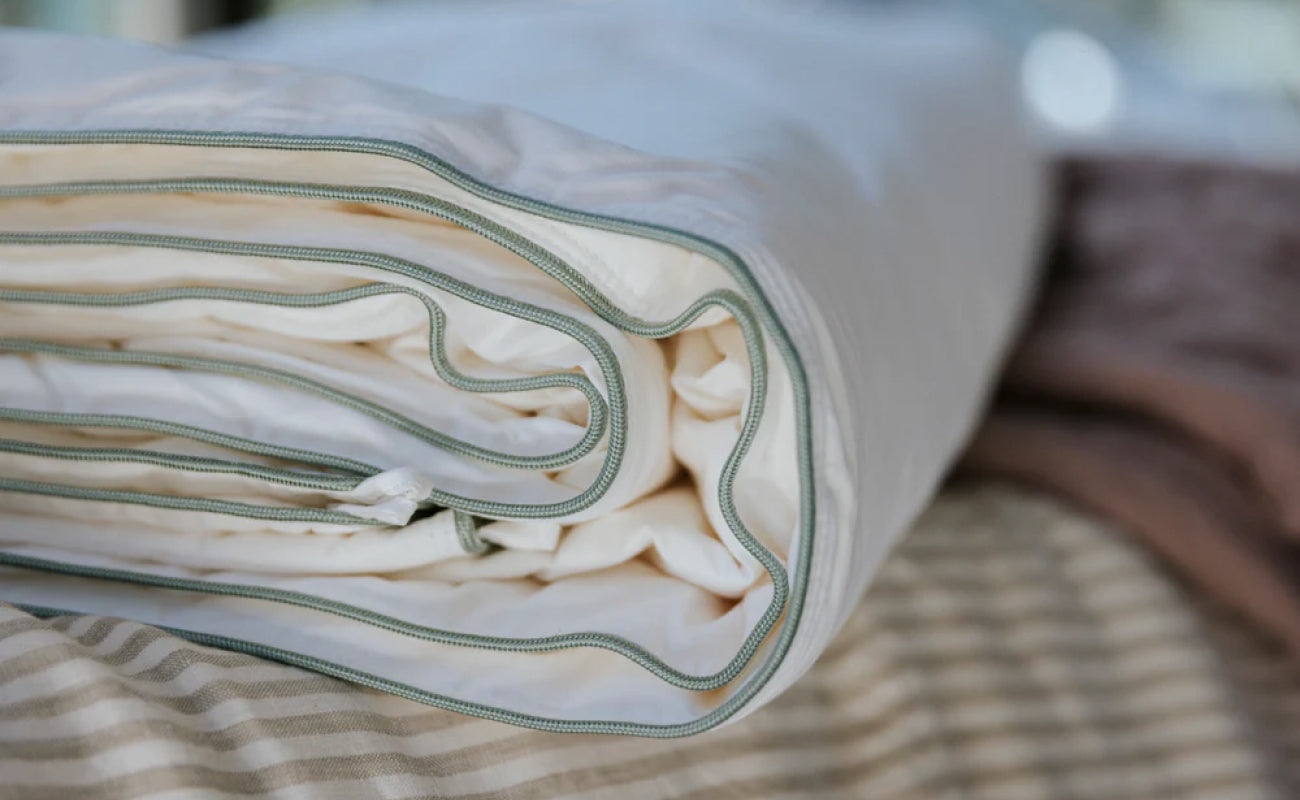
Wool is often overlooked in bedding because many people associate it with heavy winter blankets. In reality, a quality wool doona or blanket can be surprisingly breathable. Wool fibres naturally respond to changes in body temperature and can manage moisture effectively, helping create a sleeping environment that feels neither clammy nor overly warm.
A wool layer makes particular sense in cooler regions, draughty homes or bedrooms where the heater is kept low overnight. Weight matters: choose a lighter fill for a temperate climate or warm sleepers, and a higher loft for genuinely cold conditions. Wool does require more attentive care than sheets, so check the care instructions before committing.
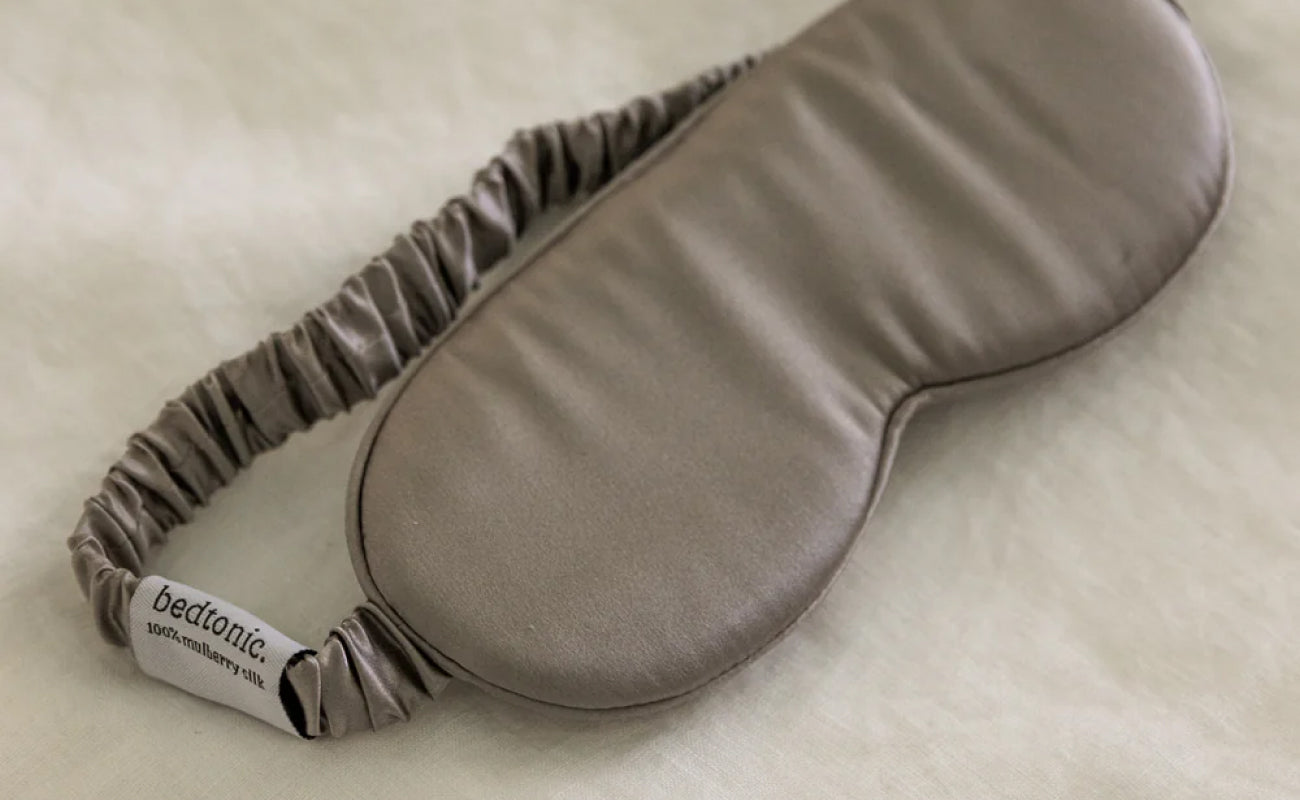
Silk works beautifully as a lighter finishing layer, particularly for pillowcases and doona inserts. It has a smooth, low-friction surface that feels cool and elegant against the skin. Silk can help reduce the tugging that rougher fabrics create on hair and skin, although it is not a replacement for a broader skincare routine or good sleep habits.
Its trade-off is care. Silk generally benefits from gentler washing, mild detergent and protection from harsh heat. It is a considered luxury rather than the most practical choice for every layer of a busy household bed.
A natural fibre bedding guide for every season
The most comfortable bed is usually layered, not overloaded. This lets you adjust for a hot evening, a cool early morning or a season that cannot make up its mind.
In summer, begin with breathable linen or cotton sheets and a light cover. A linen flat sheet can be enough on the warmest nights, with a lightweight blanket close by for the early hours. Choose colours that make the room feel calm and cool: softened white, oat, misty blue or faded botanical tones work without demanding attention.
For autumn and spring, retain your breathable sheets and add a medium-weight doona or blanket. This is where linen is particularly useful, as it helps the bed feel fresh without the abrupt switch to heavy winter bedding. Rather than storing away every warm-weather layer, build on it.
In winter, natural fibres work best as a system. Linen or cotton sheets form the base, followed by a wool or silk-filled doona, then a blanket for additional warmth if needed. The goal is to create small pockets of adjustable comfort. A heavy synthetic layer may feel warm initially, but can become stifling once the room heats up.
Choose quality beyond the fibre label
A label saying linen, cotton or wool is only the beginning. Look closely at construction, finishing and practical details. Fitted sheets should have a depth that suits your mattress, particularly if you use a topper. Duvet covers should close securely and feel balanced in the hand. Pillowcases need enough room to sit neatly without excess bulk.
Colour is also part of longevity. Timeless neutrals and softened tones tend to work across changing interiors, making it easier to refresh the room with a throw, candle or new cushion rather than replacing the entire bed. A cohesive bedding wardrobe does not need to match exactly. Pairing a flax linen sheet with a deeper-toned doona cover, for example, creates depth while keeping the room composed.
Natural fibres can also have small variations in tone and texture. These are not flaws to eliminate. They are often signs of a material that has not been engineered into uniformity at the expense of character.
Care that preserves softness
Good bedding should become part of your routine, not a precious item you are afraid to use. Wash sheets regularly in a gentle cycle with mild detergent, avoiding bleach and excessive fabric softener. Fabric softener can coat natural fibres and reduce the absorbency and breathability you chose them for.
Line drying is ideal when conditions allow, though drying indoors or using a low-heat dryer is often more realistic. Linen can be removed slightly damp and aired flat or returned to the bed for a naturally relaxed finish. If you prefer a neater look, a light steam is usually enough.
Rotate between two or three sets if possible. It gives each set time to rest, makes wash day simpler and extends the life of your bedding. More importantly, it lets you choose the texture and weight that feels right for the night ahead.
A well-made bed is not about chasing a perfect finish. Choose fibres that let your skin breathe, layers you can adapt, and colours you will still want to wake up to years from now. The most luxurious bedding is the kind that quietly improves every ordinary night.



Leave a comment
This site is protected by hCaptcha and the hCaptcha Privacy Policy and Terms of Service apply.