


European Flax Versus Regular Linen Explained
A linen label can look beautifully simple, yet the story behind it is rarely simple. When comparing European Flax versus regular linen, the key distinction is not that one is a different fabric. Both begin with flax. The difference lies in where that flax is grown, how clearly its origin is documented, and the standards connected to the fibre before it becomes the bedding, sleepwear or table linen you bring home.
For anyone choosing linens for a considered bedroom, this distinction is useful. It helps separate a broad fabric description from a more specific material claim - and makes it easier to invest in pieces chosen for their feel, provenance and long-term place in your home.
European Flax versus regular linen: the real difference
Linen is the textile made from fibres taken from the flax plant. It is naturally breathable, absorbent and strong, with the lightly textured finish that gives a bed or wardrobe an effortless, lived-in quality. Because “linen” describes the finished fibre or fabric, it can refer to flax grown and processed in many parts of the world.
European Flax® is a certification relating to flax fibre grown in Western Europe, principally France, Belgium and the Netherlands. The certification identifies flax from this region and is associated with traceability from field to fibre. European flax is generally grown using rainwater rather than irrigation, and the crop can be cultivated without genetically modified organisms. These are meaningful details for shoppers who want greater clarity around where their natural fibres begin.
That does not mean all other linen is inferior, nor does it mean every fabric carrying a linen label will feel identical. Excellent linen can be produced from flax grown elsewhere. Equally, European-grown flax is only one part of the final equation. Spinning, weaving, dyeing, finishing and garment construction all influence the fabric in your hands.
The more helpful question is not simply, “Is this European Flax?” It is, “What does this fabric tell me about its fibre, its make and the way it will live with me?”
What certification can tell you
A European Flax® Certified claim provides a stronger sense of origin than the word “linen” alone. It signals that the flax fibre has been sourced from certified European flax-growing regions, with a documented supply chain behind the material. For a considered purchase, that degree of traceability can bring welcome confidence.
It also speaks to a longstanding regional expertise. Flax has been cultivated and processed across Western Europe for generations, supported by established knowledge of growing, scutching and preparing the fibre. The climate in these regions is particularly well suited to flax: temperate conditions and regular rainfall support the crop’s growth.
However, certification should not be treated as a shortcut for every measure of quality. It does not, by itself, tell you the weave density, the exact fabric weight, whether the linen has been stonewashed, or how a fitted sheet’s elastic and seams will perform over time. It also does not replace clear information about fabric composition. A product described as linen may be pure linen, or it may be blended with cotton, viscose or synthetics. Reading the composition remains essential.
For bedding, seek both a credible fibre story and thoughtful construction. Pure flax linen, a considered finish and well-made details work together to create the relaxed softness people expect from premium linen.
Why flax origin can shape the feel
Flax fibres vary naturally from harvest to harvest, just as timber grain and stone do. Fibre length, fineness and strength are affected by growing conditions and processing. European flax has earned its reputation for fibres that can be spun into linen with a refined hand feel and lasting strength, particularly when handled carefully through each stage of production.
Still, linen is not meant to feel like polished cotton. Its appeal is in its character: cool against the skin, dry to the touch and gently textured. A quality linen sheet often softens with washing and use, becoming more inviting rather than less. The first night may feel crisp and airy; after a season of sleep, it begins to take on the ease that makes linen so enduring.
Finishing matters here. Stonewashing can give linen a relaxed softness from the outset, while a less softened finish may feel crisper initially. Neither approach is automatically better. Choose stonewashed linen if you prefer immediate softness and an easy, rumpled look. Choose a cleaner, crisper finish if you enjoy a more tailored bed and are happy to let the fabric soften gradually.
Weight matters too. Lightweight linen is particularly appealing in warm Australian summers, when breathability can make the bedroom feel more comfortable. Midweight linen offers greater substance and can be a beautiful choice year-round, especially for duvet covers, pyjamas and relaxed layers. The right weight depends on your climate, how you sleep and the look you want to create.
Regular linen is a broad category
“Regular linen” is not a formal grade or a competing fibre. It is simply the general term most often used for linen without a stated certified origin. It may be made from flax cultivated in Europe, Asia or elsewhere, and woven in a different country again. Some makers provide detailed information about that process; others offer very little beyond the fibre name.
This is why price alone is an imperfect guide. Lower-priced linen may reflect shorter fibres, a looser weave, blended content or fewer details in construction. It may also simply reflect a different business model. Higher pricing, meanwhile, is only worthwhile when it is supported by material transparency, considered finishing and a product designed to last.
When comparing options, look beyond the marketing language. Check whether the linen is 100% flax, whether the source of the fibre is clearly stated, and whether the retailer shares enough detail for you to make a confident choice. For bedding, inspect practical elements such as closure style, seam quality, fitted-sheet depth and whether the dimensions suit your mattress and pillows.
Colour is another small but telling consideration. Linen takes dye with a softly nuanced finish rather than a perfectly flat surface. Natural flax shades, soft whites, earthy neutrals and muted seasonal colours all highlight the fibre’s texture. A good linen collection should feel considered across the bed, not just appealing in a folded swatch.
Choosing linen for the way you live
European Flax® Certified linen is especially appealing if fibre provenance is part of your definition of luxury. It offers a clear starting point: flax grown in recognised European regions and a certification designed to support traceability. For a bedroom built around natural textures and quiet comfort, that reassurance can be worth seeking out.
But the best linen is ultimately the linen you will use often. A beautifully made duvet cover that becomes softer with every wash, pillowcases that feel cool at the end of a warm day, and pyjamas with enough ease to wear slowly through a weekend - these are the qualities that turn a fabric choice into part of daily life.
Consider your priorities before you choose. If you want a highly documented material origin, European Flax® Certified linen is a natural fit. If you are comparing two linen products with different origins, assess the full product rather than assuming one label answers every question. Fabric composition, finish, construction, care guidance and the retailer’s transparency all deserve a place in the decision.
Caring for pure flax linen
Linen rewards uncomplicated care. Wash it in cool to warm water with a mild detergent, avoiding bleach and excessive fabric softener, which can coat the fibres. Separate deep colours for the first few washes, and do not overfill the machine. Giving the fabric room to move helps preserve its natural drape.
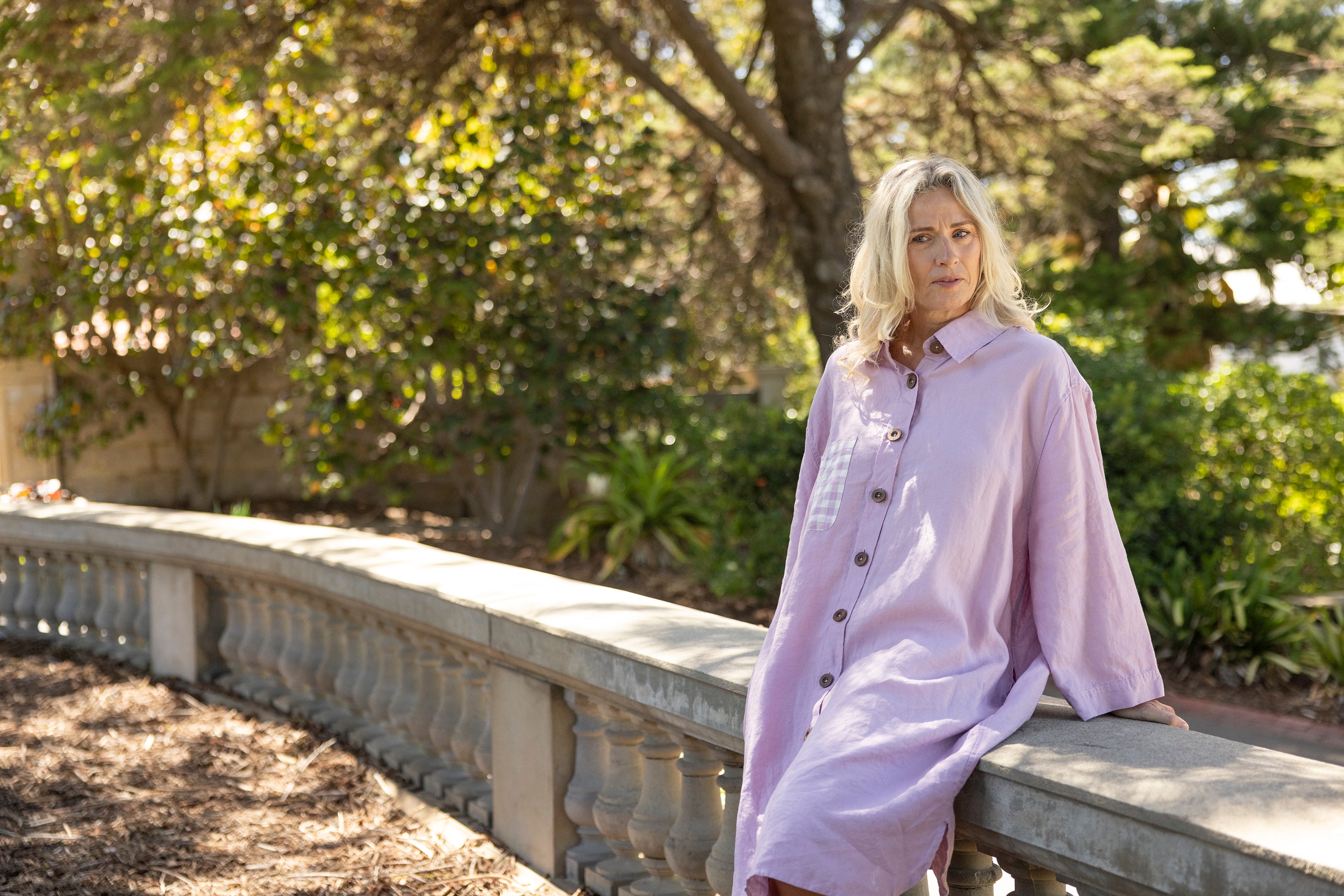
Line drying is ideal when possible, though a low-heat tumble dry can leave linen feeling especially soft. Remove pieces while they are still slightly damp if you prefer a smoother finish. Ironing is optional. Linen’s relaxed creases are part of its beauty, particularly on a bed styled with layered pillows, a softly rumpled flat sheet and a generous throw.
With proper care, pure flax linen becomes more personal over time. It settles into its texture, lightens gently at the folds and develops the easy softness that cannot be rushed.
Choose a linen story that feels as considered as the room around it. Whether provenance leads your decision or feel comes first, the right flax linen should bring a little more comfort, calm and character to the rituals you return to every day.


Leave a comment
This site is protected by hCaptcha and the hCaptcha Privacy Policy and Terms of Service apply.