



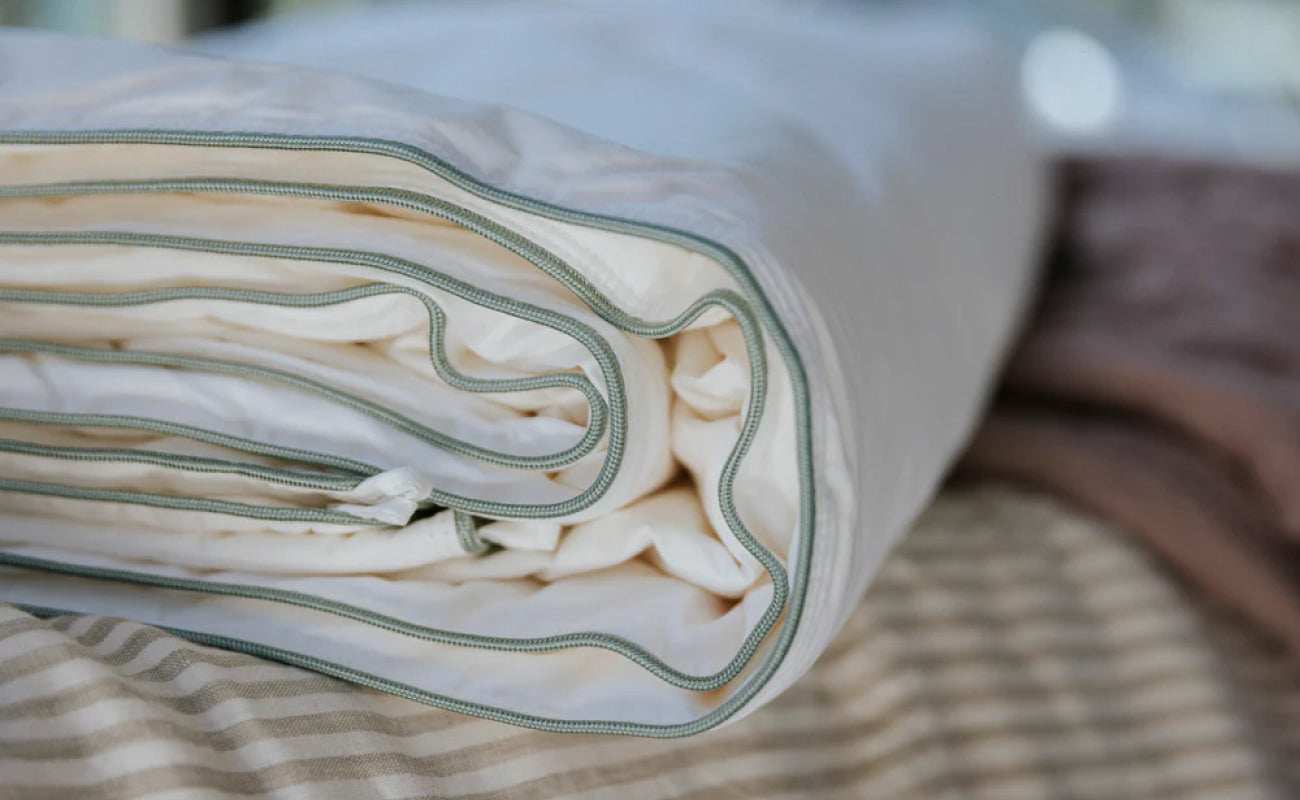


How to Style a Bedroom for Everyday Calm with Linen
A bedroom styled with linen should never feel overworked. Its appeal lies in the gentle texture, softened colour and lived-in ease that make the room feel inviting from the first morning light to the end of the day. When considering how to style bedroom with linen, begin with the feeling you want to come home to: cool and coastal, quietly tonal, warm and earthy, or crisp and minimal.
Linen does much of the visual work on its own. Its natural creasing catches the light differently to smooth cotton, bringing depth without the need for busy pattern or excessive decoration. The aim is not a perfectly pressed bed but rather a considered room with softness in every layer.
How to Style a Bedroom, Starting with the Bed
The bed is the visual centre of the room, so let the bedding establish the palette and texture. A linen duvet cover in a versatile neutral, think oat, flax, soft white, stone or charcoal creates an easy foundation. These shades settle naturally alongside timber, painted walls and woven rugs, while leaving room to change the mood with cushions, throws or a seasonal blanket.
For a more expressive space, choose one muted colour as the anchor. Dusty rose, olive, deep ocean blue or warm rust can feel refined in linen because the fabric softens pigment rather than making it appear flat. Keep the surrounding elements restrained, particularly if your bedroom is compact or has limited natural light.
A fitted sheet and pillowcases in the same shade create a calm, uninterrupted look. If you prefer contrast, introduce it with intention: a pale sheet beneath a darker duvet, or a tonal pairing such as natural linen with olive. Two colours are often enough. Adding too many can interrupt linen’s relaxed simplicity.
Build layers with a light hand
A well-styled linen bed has dimension, not clutter. Start with your sheet set and duvet, then fold a lightweight blanket or coverlet across the lower third of the bed. In cooler months, a heavier linen blanket brings warmth and weight without losing breathability. In summer, one soft layer at the foot of the bed may be all that is needed.
Pillows should feel generous but believable. Two sleeping pillows per person, finished with a pair of European pillows or a single long lumbar cushion, give the bed presence without turning it into a display. Choose pillow covers in related tones and vary texture rather than introducing multiple prints. A quilted coverlet, washed linen pillowcase or finely woven wool cushion adds interest while keeping the room composed.
Do not pull every layer taut as linen is at its best when it has a little movement. Turn down the duvet, let the top sheet show by a few centimetres, and allow the blanket to fall naturally. The result is polished, yet entirely usable.
Choose a Colour Palette That Feels Restful
Linen responds beautifully to nuanced colour. Rather than matching every item exactly, work within a family of tones. This creates a bedroom that feels collected over time rather than purchased in one afternoon.
For a light, coastal mood, combine soft white linen with sand, faded blue and pale timber. Add a ceramic lamp, a simple glass vase and a woven floor covering to maintain the airy quality. If your home leans warmer, pair flax or tobacco linen with cream, clay and dark timber. This palette feels grounded, especially in bedrooms with afternoon sun.
A darker linen bedroom can be equally serene. Charcoal, ink and forest green bring a cocooning quality, particularly when balanced with warm lighting and natural timber. The trade-off is that deep colours can make a small room feel more enclosed, so use lighter curtains, pale walls or a generous mirror to retain a sense of space.
Pattern has a place, but it works best in small doses. A subtle stripe, a hand-thrown ceramic or an artwork with organic marks can bring character to a plain linen bed. Let one patterned element lead, then return to solid colours around it.
Add Natural Materials Beyond the Bedding
Linen looks most at ease among materials with their own honest texture. Timber bedside tables, a wool rug, rattan accents, matte ceramics and paper-shaded lamps all create gentle contrast. The room does not need every natural material at once, so select a few that suit the architecture and light of your home.
Keep bedside styling useful - A lamp with a warm globe, a book you are reading, a small dish and a carafe are often sufficient. If you add flowers or foliage, choose something loose and seasonal rather than a formal arrangement. A single branch in a ceramic vessel can have more impact than a crowded surface.
Curtains matter, too. Full-length linen curtains soften hard lines and filter the Australian sun beautifully, creating a quiet, diffused glow. Sheer linen suits rooms that need privacy without losing daylight. In a bedroom that runs cool, consider pairing them with block-out blinds for extra insulation and a deeper sleep.
Consider scale before adding furniture
A linen bed feels luxurious when it has breathing room. Before adding a bench, armchair or large storage piece, consider how much clear floor space remains around the bed. In smaller rooms, one substantial bedside table and a generous pendant light may be more effective than several smaller items.
If you have the space, a timber bench or upholstered ottoman at the foot of the bed gives somewhere to place a robe, blanket or tomorrow’s clothes. Choose a low profile so it does not compete with the bedding. In a guest room, this simple addition makes the space feel especially thoughtful.
Let Light Set the Mood
The most beautiful linen colours can look flat under harsh, cool lighting. Use warm globes at the bedside and place light sources at different heights where possible. Wall lights free up bedside space, while table lamps create a familiar, low evening glow.
During the day, let natural light reveal the texture of the fabric. Avoid heavy window treatments that overwhelm the room unless darkness is essential for sleep. The right balance depends on the aspect of your bedroom, your privacy needs and how sensitive you are to early light.
A candle or subtle incense can complete the evening ritual, but scent should remain quiet. Clean botanical notes, soft woods or gentle florals suit linen’s natural character better than anything overly sweet or intense.
Make It Personal, Not Perfect!
The difference between a stylish room and a showroom is evidence of real life. A framed photograph, a favourite artwork, a stack of novels or a hand-made vessel gives the space a point of view. Keep these personal pieces edited, so the bedroom still feels like a place to rest rather than a place to store things.
This is also where quality matters. Pure flax linen becomes softer with washing and wear, gaining character rather than losing it. Choosing pieces you want to use often allows the room to become more inviting over time. At bedtonic, the focus on European Flax® Certified linen reflects that enduring approach to everyday comfort.
Resist the urge to replace every element at once. Start with the bedding, then notice what the room needs: perhaps warmer light, a better bedside table or simply less on display. A linen bedroom comes together gradually, through layers that feel good to sleep in and details that make each return to bed feel considered.



Leave a comment
This site is protected by hCaptcha and the hCaptcha Privacy Policy and Terms of Service apply.