



How to Build Bedding Layers for Every Season
A beautifully made bed is not about piling on more pieces. Knowing how to build bedding layers is about choosing each layer for a purpose: softness against skin, breathable warmth through the night, and texture that gives the room its quiet sense of ease. When the materials are considered, the bed feels inviting rather than overdone.
For Australian homes, that balance matters. A room can be cool at bedtime, warm by morning, and change entirely with the season. Flexible layers let you adjust without sacrificing the relaxed, considered look that makes getting into bed feel like a small daily luxury.
Start with the layer you sleep on
The fitted sheet is the foundation. It should sit smoothly across the mattress, stay in place as you move, and feel good from the first moment you climb into bed. Natural fibres are especially worthwhile here because this is the layer closest to your skin.
Pure flax linen is a natural choice for year-round bedding. Its open weave allows air to circulate, helping it feel fresh in warmer weather while still offering comfort when the temperature drops. It also develops a softer, more lived-in hand over time. Rather than looking overly polished, linen gives a bed an easy texture that becomes part of the room's character.
Choose a fitted sheet in a neutral base if you prefer versatility. Soft white, oatmeal, flax and warm grey work easily with changing duvet covers, blankets and pillowcases. If colour is central to your bedroom, begin with a tone you will be happy to see every day, then build quieter layers around it.
Add a flat sheet if it suits your sleep style
A flat sheet is optional, not essential. Some sleepers enjoy the light extra layer and the simple ritual of folding it back over the doona. It can also make seasonal changes easier: on a warm night, a fitted sheet and flat sheet may be all you need.
Others prefer the direct simplicity of sleeping under a doona cover. Neither approach is more refined. The right arrangement is the one that feels effortless at bedtime and easy to remake in the morning.
If you do use a flat sheet, allow enough fabric at the top to fold over your doona cover. This small detail creates a clean line and lets a contrasting sheet colour show through. A white linen flat sheet beneath a muted coloured duvet cover, for example, adds lightness without introducing another bold element.
Build warmth from the middle out
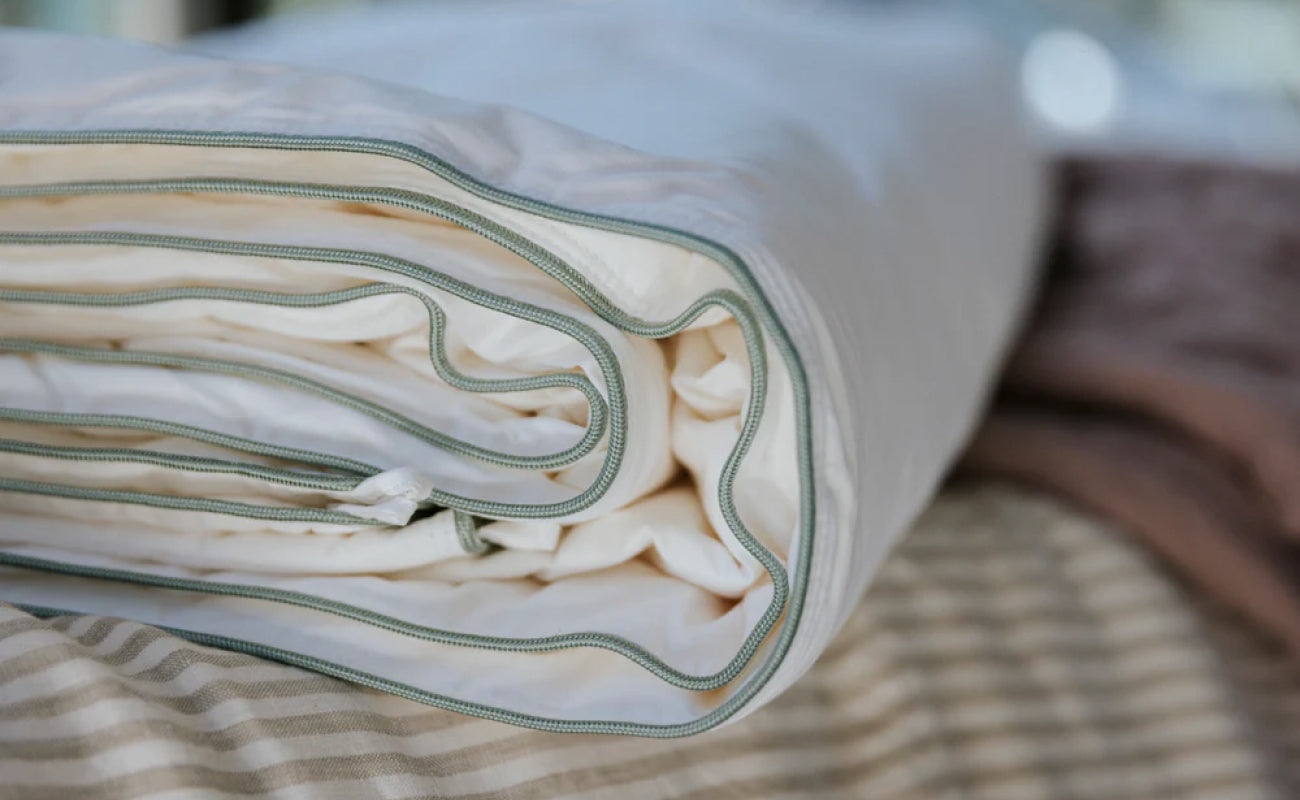
The main warmth layer is usually a doona insert inside a duvet cover. Think of the insert as the thermal core and the cover as the tactile, visual finish. Choosing them separately gives you more control over both comfort and style.
A silk doona insert offers lightweight insulation and a beautifully draped finish. It is well suited to sleepers who dislike the heaviness of bulky bedding, or to homes where winters are mild. For colder rooms, a warmer-weight insert may be preferable, but avoid assuming that more fill is always better. An overly warm doona can interrupt sleep just as easily as a cool room can.
Your duvet cover should feel good in every season. Linen is particularly practical because it is breathable and naturally textured, so the bed retains its softness and dimension even when styled simply. A well-cut linen duvet cover also has enough weight to fall neatly over the sides of the mattress without appearing stiff.
For the most versatile arrangement, choose an all-season doona and use the outer layers to fine-tune warmth. This makes it easier to respond to a run of warm autumn nights or an unexpectedly crisp spring morning without needing to replace the entire bed.
Use blankets for adjustable comfort
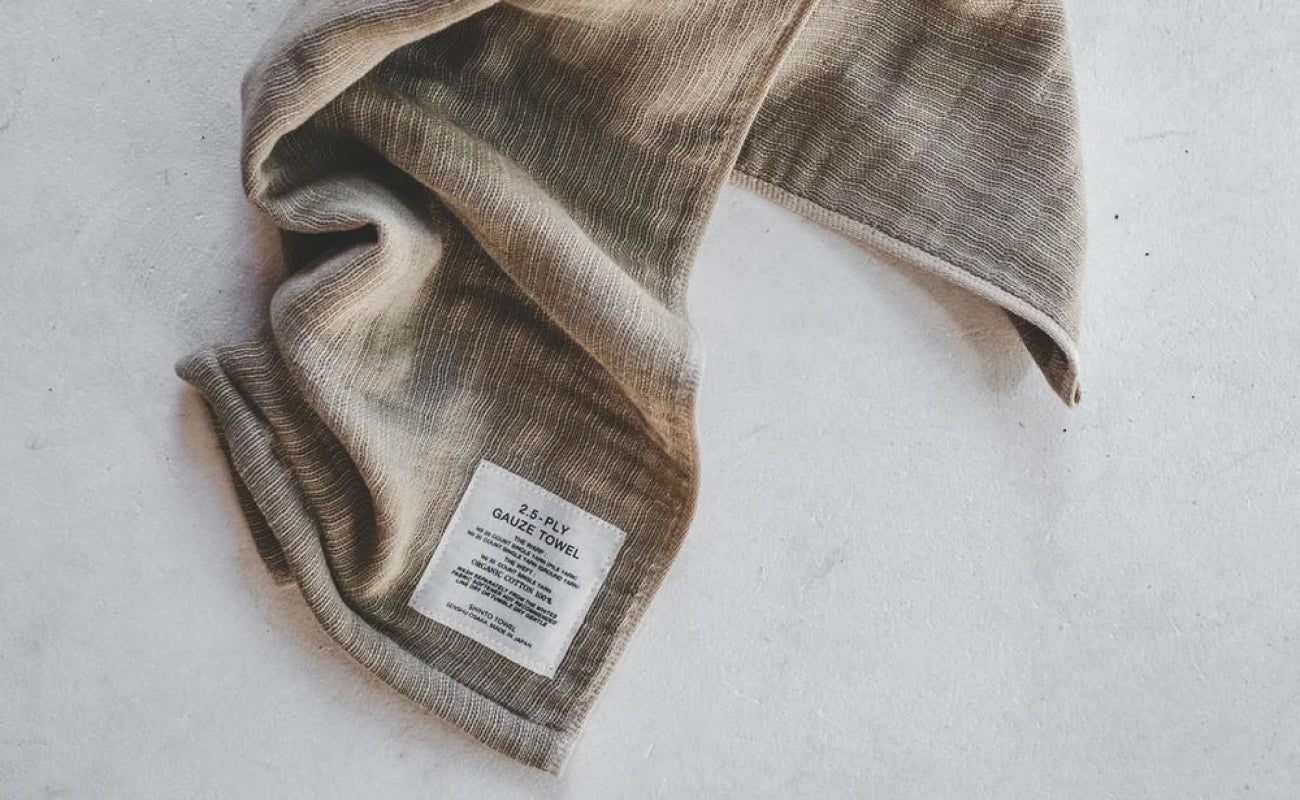
A blanket is the layer that makes bedding genuinely adaptable. Folded across the lower third of the bed, it gives you something extra to pull up during the night while introducing shape and softness in the daytime.
In warmer months, choose a light linen or natural-fibre blanket that offers comfort without trapping too much heat. In winter, a denser blanket can sit between the flat sheet and doona, or on top of the duvet cover if you prefer to reach for it as needed. The best placement depends on how you sleep. A blanket beneath the doona creates a more enveloping feel, while one on top is easier to remove.
Avoid treating the blanket as purely decorative. If it never leaves the foot of the bed, it is probably too precious or too cumbersome for everyday use. The most beautiful bedrooms still make room for real life.
Keep the throw considered, not compulsory
A throw can finish the bed, but it is not required. If you add one, select a fabric with a different texture from your duvet cover rather than simply a louder colour. A soft woven throw over relaxed linen creates depth through material, which usually feels more enduring than a highly styled arrangement.
Drape it loosely across one corner or fold it with an informal edge at the foot of the bed. Perfect symmetry can look formal; a little irregularity suits linen's natural character. In a smaller room, keep the throw close in tone to the rest of the bed to avoid visual clutter.
Layer pillows with restraint
Pillows are where a bed can quickly become impractical. Start with the pillows you actually sleep on, usually two for a queen or king bed. Place these at the back when the bed is made, using matching pillowcases that relate to your fitted sheet or duvet cover.
European pillows add height and a more generous silhouette, especially on larger beds or beds with a low headboard. One or two may be enough. Add them only if you have somewhere to place them at night and if they suit the scale of the room.
A single long lumbar cushion or one smaller decorative cushion can soften the arrangement, but it should not create a nightly obstacle course. The aim is a bed that looks composed in the morning and takes less than a minute to make functional again.
Colour can be introduced through pillowcases, particularly if your larger bedding layers are neutral. Try one tonal contrast rather than several competing shades: clay with oat, ink with soft white, or olive with natural flax. This approach feels collected and calm while leaving room to change the mood with the seasons.
Choose a palette that can live together
Bedding layers look most expensive when the colours share an undertone. Warm whites, sand, tobacco and muted rose sit naturally together because they carry similar warmth. Cool white, charcoal, mineral blue and pale grey create a cleaner, quieter palette.
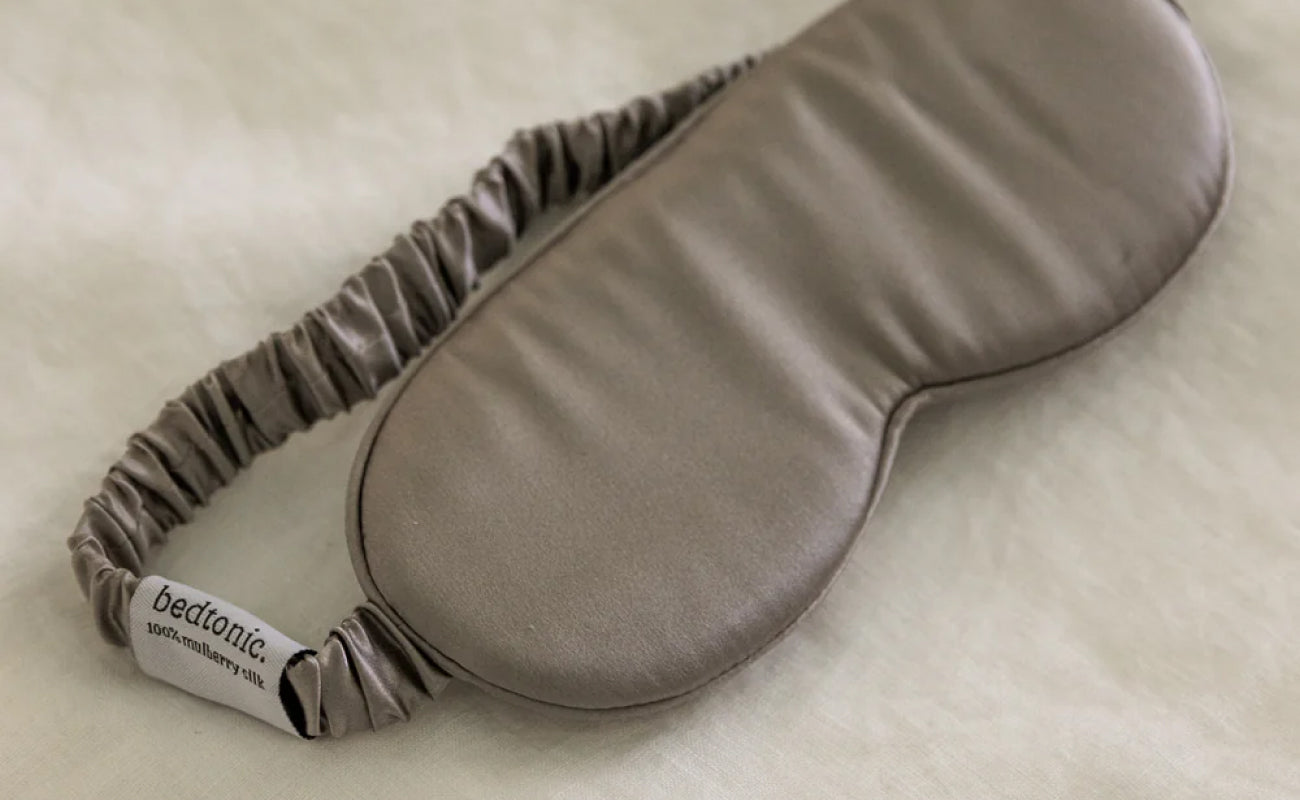
You do not need to match every piece exactly. In fact, matching sheet sets, doona cover, blanket and cushions in one shade can flatten the bed. Instead, choose two or three related tones and let texture do part of the work. Washed linen, quilted cotton, a fine wool throw and smooth silk each catch light differently, even within a restrained palette.
Pattern has its place, though it is best used with intention. If the duvet cover is striped or printed, keep the sheets and blanket plain. If your bed is mostly solid colour, a subtle check or stripe in the pillowcases can bring movement without making the room feel busy.
Adjust your bedding layers through the year
The most useful bedding wardrobe is one that changes lightly rather than dramatically. In summer, begin with linen sheets and a light doona or blanket. Keep a spare layer folded at the foot of the bed for cool early mornings. In winter, retain the breathable linen base, then add a warmer doona insert and a substantial blanket.
Autumn and spring call for the most flexibility. This is when a flat sheet, medium-weight doona and folded blanket are especially valuable, allowing you to remove or add warmth without remaking the whole bed. Air the doona regularly and wash sheets often enough to preserve that fresh, clean feeling.
At Bedtonic, the appeal of European flax linen lies in this kind of considered daily use: tactile, breathable and made to become softer with time. Build from the pieces you reach for most, then add only what makes sleep more comfortable or the room more your own.
Leave the final layer slightly undone. A turned-back duvet corner, a blanket within reach or a pillow with a gentle crease reminds you that the best bed is not a display. It is a place to come home to.



Leave a comment
This site is protected by hCaptcha and the hCaptcha Privacy Policy and Terms of Service apply.