



Do Silk Doonas Breathe? What Sleepers Should Know
A doona can feel warm without feeling stifling - and that is the distinction many sleepers are looking for. So, do silk doonas breathe? Yes, when made with quality natural materials, silk doonas allow air to move through the fill while helping your bed feel more balanced across the night. But breathability is not only about the silk inside. The cover, construction, bedroom climate and bedding layers all shape how a doona performs.
For Australian homes, where a warm afternoon can give way to a cool evening, that balance matters. A silk-filled doona offers lightness, softness and considered warmth without the dense feel some people associate with heavier bedding.
How a silk doona manages warmth
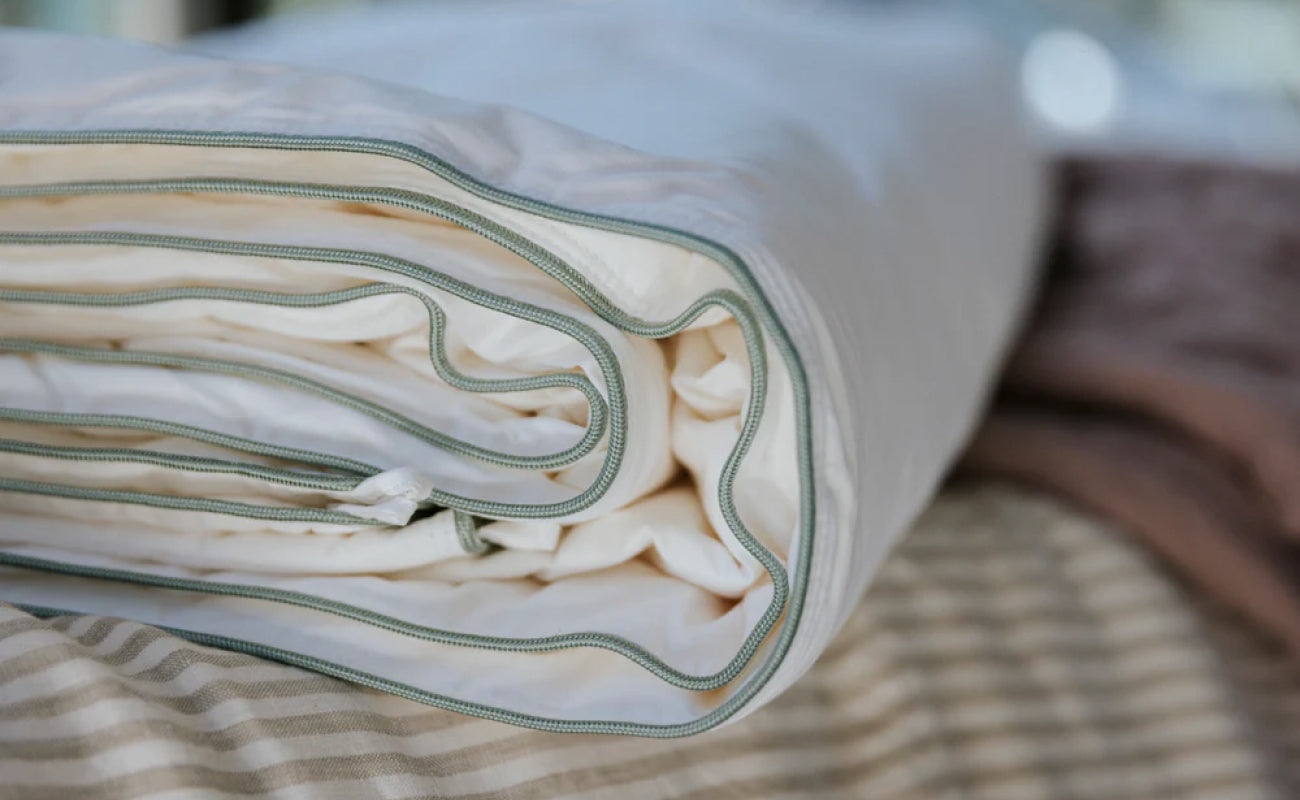
Silk is a natural protein fibre with a fine, smooth structure. When used as doona fill, its fibres create small pockets of air that provide insulation. Those air pockets hold warmth close to the body, yet the fill itself is not designed to trap heat in the way a dense synthetic fill can.
This is why a silk doona can feel surprisingly light for its level of warmth. Rather than relying on bulk, it creates an insulated layer with a softer, less weighty drape. For sleepers who dislike the pressure of a heavy doona but still want to feel comfortably covered, that can make a noticeable difference.
Silk also has a natural capacity to absorb moisture vapour. As your body releases warmth and perspiration overnight, the fibre can take on some moisture before releasing it gradually. The result is not a chilled or dry feeling, but a steadier microclimate beneath the covers.
Breathable does not mean cool in every condition. A silk doona still insulates, especially when it has a higher silk fill weight or is paired with warm sheets and a closed-up bedroom. It means the material is generally better at responding to shifts in body temperature than a less permeable alternative.
Do silk doonas breathe better than synthetic doonas?
Generally, yes. Synthetic fills are mostly made from polyester fibres, which is practical, affordable and easy to care for, but may have varied performance levels. Lower-quality fills may compress over time or hold warmth and moisture closer to the body. This creates the familiar cycle of feeling too hot, throwing back the covers, then feeling cold again.
Silk behaves differently. Its fine fibres allow for airflow between layers of fill and are naturally effective at managing moisture. It is a thoughtful choice for people who sleep warm, experience night sweats, or simply prefer bedding that feels less insulated by bulk.
That said, a premium synthetic doona can suit some homes very well, particularly where frequent machine washing is essential or allergies require a specific care routine. A silk doona is an investment in a different type of comfort: lighter, more responsive and distinctly refined.
The cover matters as much as the fill
A breathable silk fill can only do so much if it sits inside a tightly woven, heavily finished synthetic shell. The outer casing is the first layer your body heat encounters, so its fabric deserves the same attention as the filling.
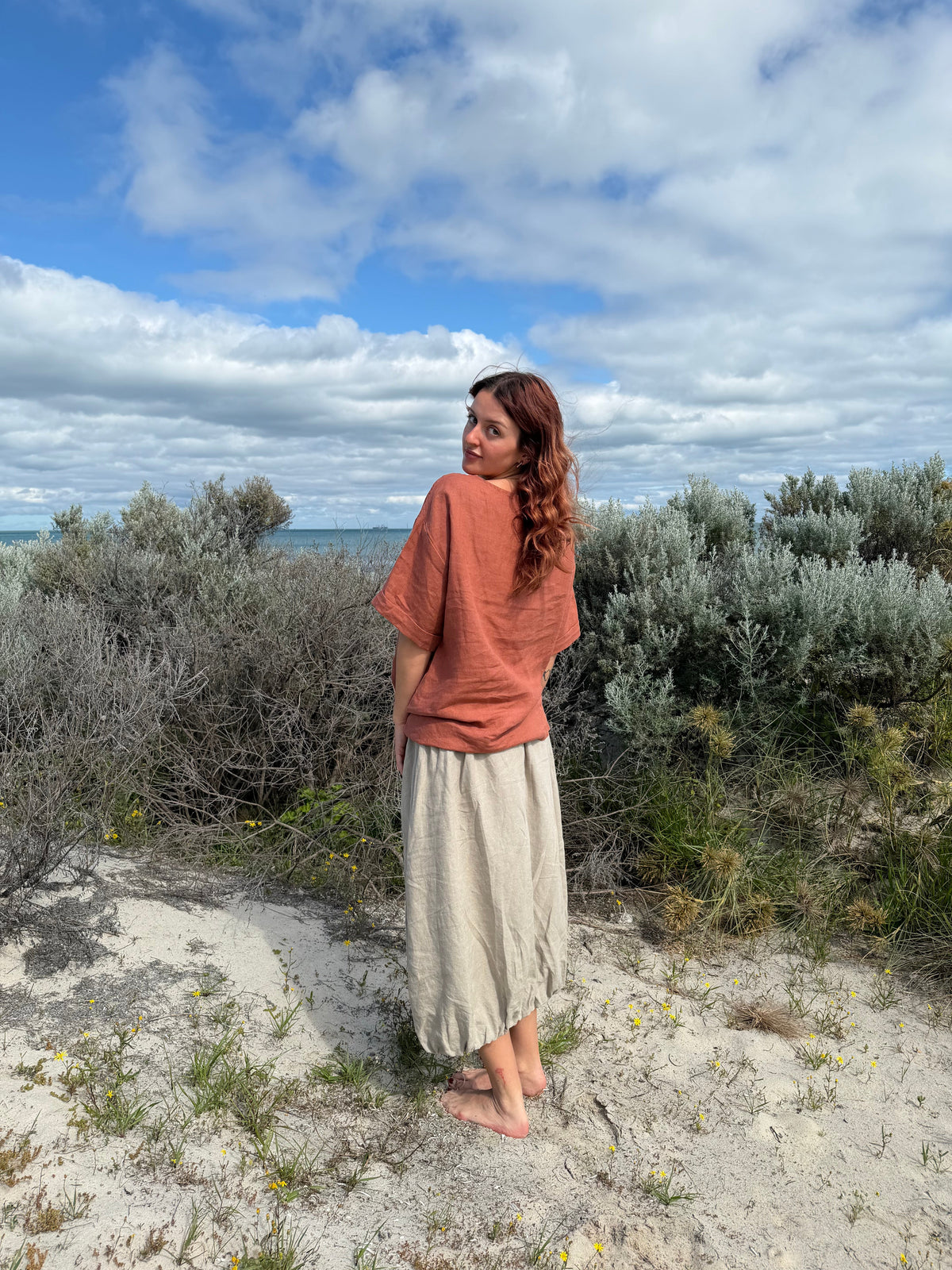
Natural cotton is a classic option, especially in a crisp percale weave. For a more relaxed and tactile bed, linen is especially well suited to a silk doona. Flax linen is naturally breathable, moisture-managing and cool to the touch, allowing the doona's regulating qualities to come through without interruption.
At bedtonic, linen is valued for precisely this kind of everyday performance. A silk doona inside a pure flax linen duvet cover creates layers that feel considered rather than excessive: soft, airy and comfortably lived-in. The combination is particularly appealing in bedrooms that need to work across changing seasons.
Be mindful of very thick duvet covers, dense sateen weaves and polyester blends if overheating is a concern. They are not inherently poor choices - some people love their smoothness or warmth - but they can reduce the airy feel that makes silk so appealing.
Is a silk doona right for hot sleepers?
A silk doona can be an excellent option for hot sleepers, but the best choice depends on why you are overheating. If you wake warm because your bedding feels heavy, clammy or unable to release moisture, silk’s lighter insulation and natural moisture management will create a more comfortable sleep environment.
If your room is consistently very warm, a lightweight silk doona is usually the more appropriate choice than an all-season or winter-weight design. It is also worth considering the rest of the bed. A breathable fitted sheet, flat sheet and duvet cover can make a greater difference than adding or removing one layer alone.
For those who feel warm at the beginning of the night but cold by morning, silk can be particularly useful. It provides insulation when the room temperature drops, while avoiding the sealed-in feeling that can make sleep restless earlier in the evening.
Of course, bedding cannot solve every cause of night sweats or disrupted sleep. Room ventilation, mattress materials, sleepwear and individual health factors all play a part. But as a base layer of the bed, a well-made silk doona is a calm, adaptable place to start.
Choosing the right silk doona weight
The fill weight should match your home, not simply the season printed on a label. Australian climates vary widely, as do insulated apartments, heritage houses and bedrooms with strong afternoon sun.
A lightweight silk doona generally suits warm rooms, summer sleeping and people who naturally run hot. An all-season weight offers more flexibility for temperate climates and homes that cool down overnight. A winter-weight option is best reserved for genuinely cold bedrooms or sleepers who consistently need more insulation.
If you share a bed with someone whose temperature preferences are very different, there is no perfect universal fill. A lighter doona with a separate blanket on one side of the bed can be more effective than choosing a heavy doona that leaves one person overheating. It is a simple arrangement, but it allows each sleeper to adjust without disturbing the other.
What makes a silk doona feel less breathable?
Even natural materials have limits. A silk doona may feel too warm if the fill weight is unsuitable for the room, if the cover is made from a dense synthetic fabric, or if it is layered with heavy blankets and flannelette sheets. Humidity can also change the experience of any bedding, particularly in coastal summers.
Construction matters, too. Quality silk filling should be distributed evenly so the doona drapes consistently across the bed. Poorly arranged fill can bunch in some sections and leave others sparse, creating uneven warmth that has little to do with silk itself.
Care also protects performance. Always follow the garment label, as silk doonas often require more considered cleaning than everyday synthetic bedding. Regular airing in a shaded, well-ventilated space helps keep the fill fresh between washes. A duvet cover provides another useful layer of protection, reducing the need for frequent cleaning.
Build a more breathable bed
A breathable bed is created in layers. Start with a mattress and protector that do not trap excess heat, then choose natural-fibre sheets that feel comfortable against the skin. Add a silk doona in a weight suited to your room, and finish with a linen or quality cotton cover that lets air circulate.
Sleepwear matters, too. Lightweight linen or natural-fibre pyjamas can complement the bed rather than working against it. Small details - opening a window when the weather allows, keeping direct sunlight off the bed in late afternoon, and avoiding overly warm blankets beneath the doona - can help preserve that light, settled feeling.
A silk doona is not about making the bed feel cooler at all costs. It is about creating a more responsive layer: warm when the night turns cool, lighter when your body temperature rises, and soft enough to make getting into bed feel like a daily ritual worth keeping.


Leave a comment
This site is protected by hCaptcha and the hCaptcha Privacy Policy and Terms of Service apply.