


A Complete Guide to Linen Coats for Every Season
A linen coat is for the moments when a heavy wool layer feels too much, yet a shirt or knit alone is not quite enough. This complete guide to linen coats considers the details that make the difference: fibre quality, weight, cut, colour and the considered care that lets linen soften beautifully over time.
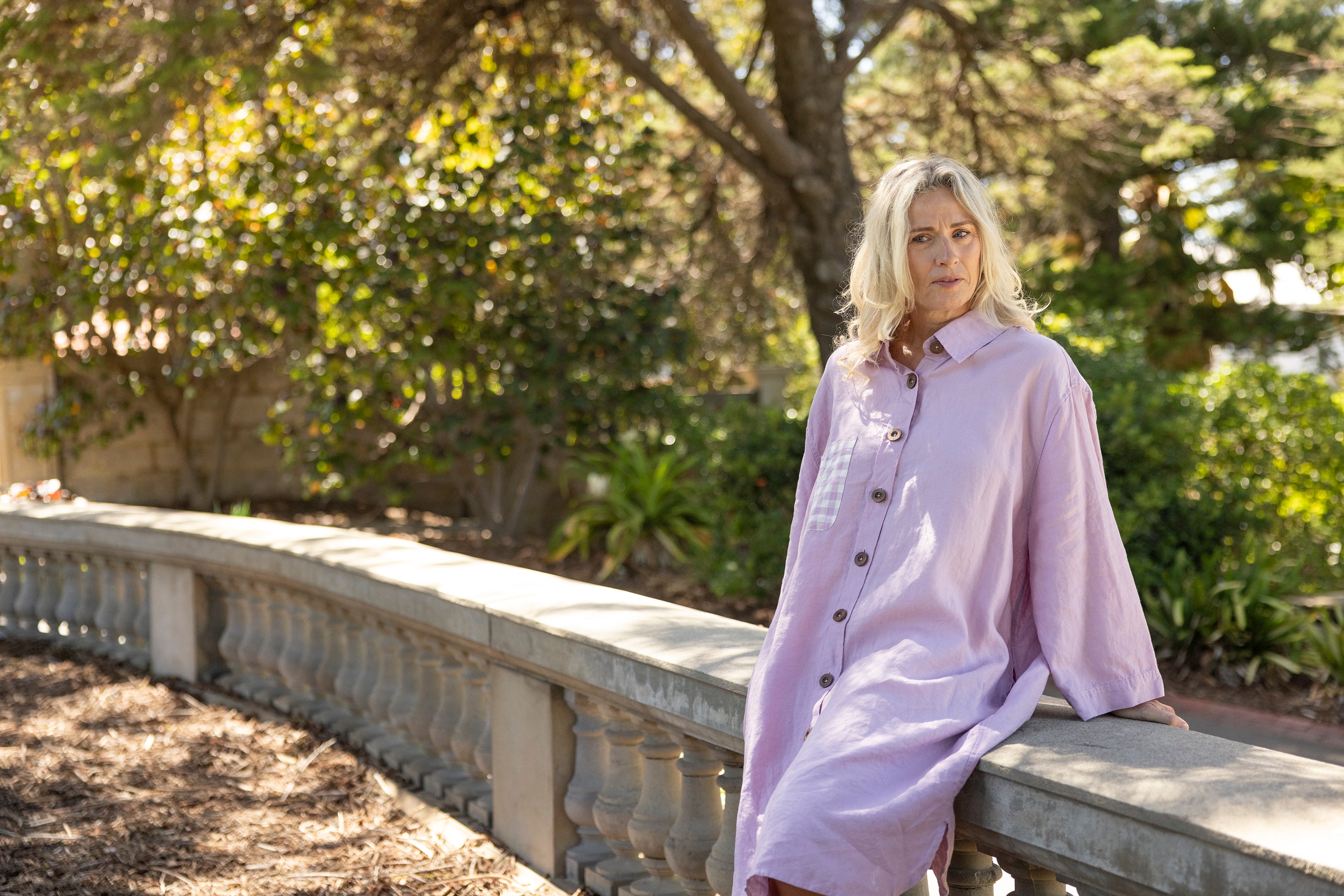
Linen has a relaxed character, but a well-cut linen coat is never casual by default. It can bring shape to a simple dress, quiet polish to denim, or an elegant extra layer to matching linen separates. For Australian wardrobes, where the weather often shifts within a day, it is one of the most useful layers to own.
Why Linen Makes Sense for Coats
Made from the flax plant, linen is valued for its breathable, naturally textured finish. Its fibres allow air to circulate, helping the fabric feel cooler and less clingy than many synthetic alternatives. That makes linen particularly suited to mild winters, spring days, coastal evenings and air-conditioned interiors.
A linen coat also has visual ease. The fabric does not sit with the crisp uniformity of a tightly woven suiting cloth, and that is part of its appeal. Natural creasing gives linen depth and movement, making a longer line or softly tailored shape feel lived-in rather than overly formal.
The trade-off is warmth. Linen is not intended to replace a substantial wool coat in a cold Canberra morning or a wet Melbourne winter. Think of it instead as a trans-seasonal outer layer: more structured than a cardigan, lighter than traditional outerwear, and easy to carry when the day warms.
Quality matters here. Pure flax linen with a well-considered weave has enough body to hold a coat's shape while retaining the softness that makes the fabric so comfortable. Very lightweight linen may be ideal for a shirt but can feel insubstantial in a coat, especially in a long silhouette. A slightly weightier linen, or linen with a breathable natural-fibre lining, offers more drape and durability.
A Complete Guide to Linen Coat Styles
The best style depends less on a passing trend and more on how you dress day to day. Consider the proportions already in your wardrobe and the occasions where you most often need an extra layer.
The longline linen coat
A longline coat creates a clean vertical line, usually falling below the knee or towards the ankle. It is a refined option over wide-leg trousers, a slip dress or a matching linen set. Choose a relaxed fit with room through the shoulders and sleeves, particularly if you intend to layer it over a fine knit.
Longer coats have presence, so softer neutrals work especially well. Oatmeal, natural flax, charcoal, ink and warm stone integrate easily with a pared-back wardrobe. They also let the texture of the linen remain the focus.
The belted wrap coat
A wrap-style linen coat brings softness without losing definition. Worn open, it feels fluid and relaxed; tied at the waist, it creates shape over dresses or simple separates. It is a thoughtful choice for those who prefer a less tailored shoulder or want a layer that moves easily from home to dinner.
Look for a belt that is wide enough to sit flat rather than twist. Internal ties are a useful finishing detail, as they help the coat stay in place on breezier days without interrupting its clean exterior.
The tailored linen coat
A collar, lapel and more defined shoulder can give linen a sharper expression. This style works beautifully with trousers, a crisp shirt and leather loafers, but it should still retain enough ease to suit the fabric. If the construction is too rigid, linen's natural texture can feel at odds with the cut.
A tailored linen coat is a strong alternative to a blazer when you want length and lightness. For work, lunches or events where a jacket feels expected, it offers polish without the heaviness of conventional suiting.
The relaxed duster
A duster is usually unstructured, open-fronted and designed to move. It is perhaps the easiest linen coat to wear, particularly over swimwear on holiday, loungewear at home or a simple tank and jeans. Its appeal lies in its simplicity, so pay attention to fabric quality, sleeve length and finishing. A refined duster should feel effortless, not flimsy.
How to Choose the Right Linen Coat
Start with the weight of the fabric. Midweight linen is generally the most versatile for a coat because it offers coverage and shape without compromising breathability. If you live in a warmer part of Australia, an unlined midweight style may take you through most of the year. In cooler climates, a denser weave and generous cut make layering more practical.
Then consider the fit of the shoulder. Even a deliberately oversized linen coat should sit comfortably across the upper back and allow you to move your arms without pulling. Dropped shoulders create a more relaxed silhouette, while a set-in shoulder reads as more tailored. Neither is inherently better; it depends on whether you want softness or structure.
Length changes the coat's usefulness. Hip-length styles suit denim and everyday errands, while mid-calf coats are more versatile with dresses, skirts and wide-leg trousers. Petite frames may prefer a hem that finishes around the knee or mid-calf, rather than at the narrowest point of the lower leg. Taller wearers can carry extra length with ease, though the same principle applies: the hem should feel intentional alongside your usual shoes.
Finally, inspect the details. Natural buttons, well-finished seams, deep pockets and a generous hem allowance all signal a piece made for repeat wear. Linen softens with use, so construction becomes more noticeable over time. A coat should improve as it settles into your wardrobe, not lose its shape after a season.
Styling Linen Coats with Ease
The most successful linen coat outfits often keep the palette calm. Tonal dressing in flax, ivory, chocolate or black allows texture to do the work. Try a natural linen coat over a white tank and ecru trousers, then add woven leather sandals or minimal sneakers. The result feels considered without looking overly styled.
For evenings, layer a darker linen coat over a column dress or silk slip, with a small leather bag and simple jewellery. Linen's matte surface is especially beautiful beside subtle sheen, giving an outfit contrast without requiring bold colour.
A coat in a softer neutral can also temper more defined pieces. Wear it over black trousers and a fitted knit, or over a structured cotton poplin dress, to make the look feel less formal. Conversely, a tailored linen coat can bring order to relaxed pieces such as a ribbed tank, denim and flats.
Avoid treating linen as summer-only. In the cooler months, a linen coat works over merino, cotton jersey or a fine cashmere knit. The key is to keep the under layers slim enough that the coat retains its line. On genuinely cold days, reserve it for indoors, travel or as a lighter layer beneath a roomier wool coat.
Caring for Linen So It Lasts
Linen is durable, but it benefits from gentle handling. Always follow the garment's care label, as dyes, linings and trims can affect the recommended method. Many linen coats can be gently machine washed in cold water with a mild detergent, while more structured or lined styles may require dry cleaning.
Do not overcrowd the machine, as this can create harsh creases and stress seams. Avoid bleach, which can weaken natural fibres, and skip high heat in the dryer. Air-dry the coat on a broad hanger, smoothing the collar, lapels and pockets while damp. This helps it dry into a cleaner shape.
Creases are part of linen's character, but a little steam restores polish when needed. Steam from the inside where possible, or use a warm iron on slightly damp fabric. Store the coat on a supportive hanger away from direct sunlight. Before putting it away for a long period, ensure it is clean and completely dry.
A linen coat does not need to look pristine to look refined. Its beauty is in the softened texture, the gentle fold at the sleeve and the way it becomes more familiar with every wear. Choose one that feels good against the skin, suits the rhythm of your days, and gives your existing wardrobe a little more air to breathe.


Leave a comment
This site is protected by hCaptcha and the hCaptcha Privacy Policy and Terms of Service apply.