

Best Linen Tops for Layering
Some tops look just right on the hanger, then struggle to work when you add layers. They cling under knitwear, bunch beneath jackets, or sit too stiffly against the body. The best linen tops for layering do the opposite. They soften the outfit, regulate warmth, and give structure without weight.
That balance is what makes linen such a useful wardrobe fabric in Australia. It works through warm afternoons, cool mornings, over-air-conditioned offices and transitional seasons where getting dressed is rarely as simple as one layer- you could be freezing cold in the morning but breaking a sweat by the afternoon sun. A well-cut linen top gives you room to build an outfit that feels polished without feeling overdone.
What makes the best linen tops for layering
Layering starts with shape before styling. The best linen tops are cut with enough room to sit naturally on the body, but not so much volume that they become bulky under other pieces. Linen already has presence - its texture, drape and matte finish bring character on their own - so the silhouette needs restraint.
A slightly relaxed fit is usually the sweet spot. Too fitted, and the fabric can pull or crease sharply at the bust and waist when worn under a cardigan or blazer. Too oversized, and you lose the clean line that makes layering look considered. Soft shoulders and a hem that can be tucked or left loose all make a difference.
Fabric weight matters too. Lightweight to midweight linen tends to layer best because it offers breathability while still holding shape. Very sheer linen can feel beautiful in high summer, but it is less versatile once you begin adding camis, overshirts or outerwear. A denser weave often gives a neater finish and wears more comfortably across seasons.
Then there is softness. Good linen should feel lived-in rather than rigid, especially in a top designed to sit close to the skin. Pure flax linen softens over time, but quality is noticeable from the beginning. It should feel dry and breathable, not scratchy, and it should move with the body rather than stand away from it.
The styles worth reaching for
Not every linen top does the same job. Some are ideal as a base layer, while others work better as the visible middle piece that anchors the look.
Linen tanks and sleeveless tops
A linen tank is one of the most useful pieces in a warm-climate wardrobe. It sits easily beneath an open shirt, light knit or tailored jacket, and it keeps the outfit feeling airy. Look for a cut that skims rather than clings. Fine straps can feel delicate, but broader straps are often more versatile for everyday wear and easier to layer over standard bras.
A square or softly scooped neckline is especially practical. It frames the collarbone without competing with necklaces, scarves or the neckline of the layer above. For a cleaner wardrobe, neutral tones such as white, oat, sand, black and soft charcoal make the most sense, though a muted seasonal shade can work beautifully when the rest of the outfit stays quiet.
Short-sleeve linen tops
This is often the most overlooked category, but a good short-sleeve linen top can carry a wardrobe from spring through to early autumn. It offers more coverage than a tank while still fitting comfortably under overshirts and lightweight jackets. The sleeve is key. A sleeve that cuts too tightly across the upper arm will feel restrictive under layers, while a slightly looser sleeve with a soft finish keeps the look easy.
Boxy cuts can be elegant here, especially when balanced with a neat neckline and a hem that falls just at the hip. Worn under a trench or unstructured blazer, this kind of top adds texture and layers that will leave you feeling confident.
Relaxed linen shirts
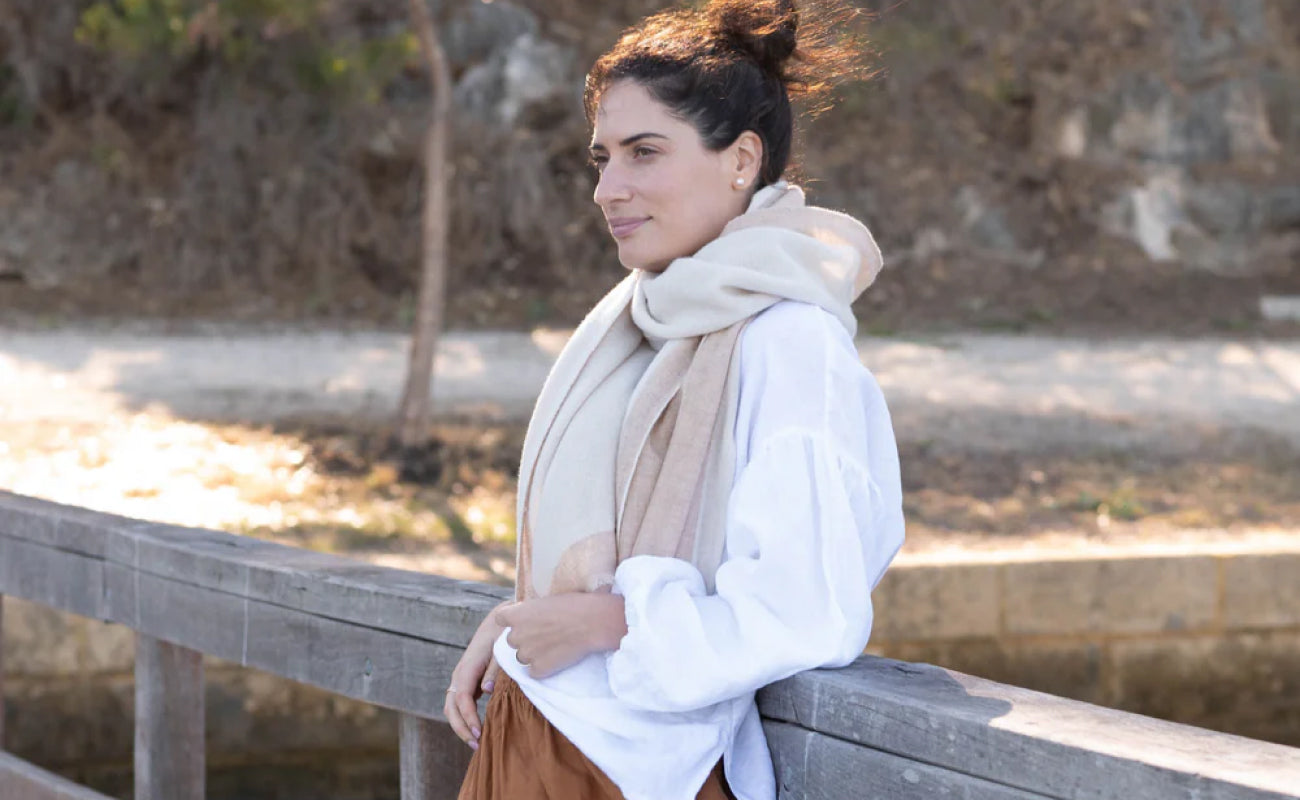
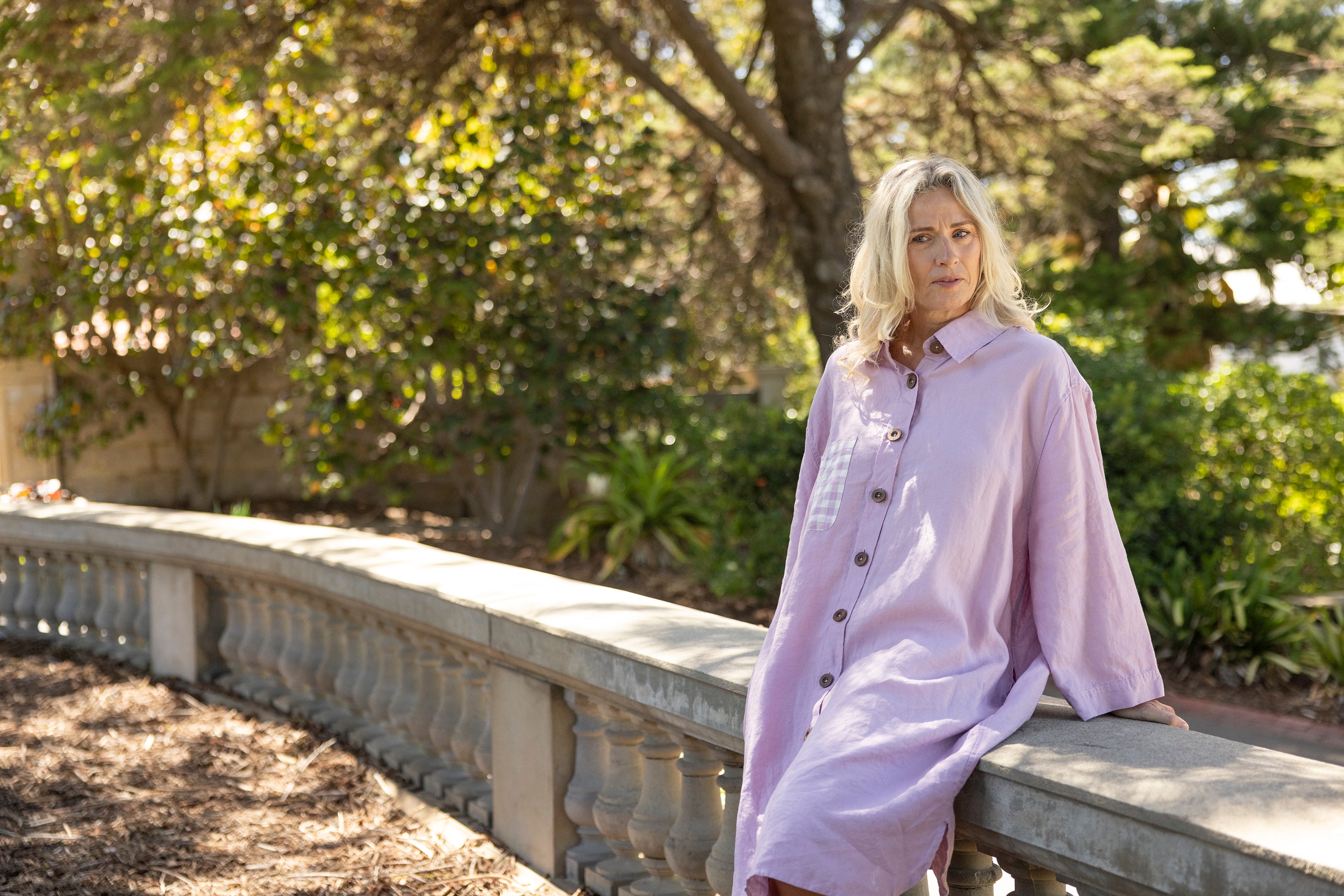
If there is one piece that consistently earns its place, it is the linen shirt. It can be the top layer, the middle layer or the piece tied at the waist when the day warms up. For layering, the best versions are relaxed but not oversized to the point of heaviness. You want enough room to wear a tank beneath, but still be able to slip a coat or knit over the top.
Button placement, collar scale and cuff softness all shape how wearable it feels. A shirt with a gently structured collar and fluid sleeve is easier to style than one that's too crisp. Worn open over a tank and trousers, or tucked loosely beneath a knit, it creates that effortless contrast linen does so well - refined, but never rigid.
Long-sleeve linen tops without a full shirt structure
There is also a place for simpler long-sleeve linen tops, particularly in cooler months or for understated evening dressing. Collarless cuts, split necklines and minimal pull-on styles give you the breathability of linen with a softer, less tailored look. These pieces tend to layer well under coats and cardigans because they sit flatter through the neckline and sleeve.
They are especially useful if you prefer a cleaner silhouette than a button-up shirt offers. Paired with wide-leg trousers, denim or soft suiting, they feel calm and considered.
How to choose by season and setting
The best linen tops for layering depend a lot on where and how you wear them. A wardrobe for coastal weekends will not look identical to one built around office dressing, even if both can be achieved with the same fabric.
For summer, the focus is usually on lightness. Tanks, sleeveless shells and open shirts make the most sense, especially in paler tones that keep the whole outfit feeling fresh. In this setting, layering is less about warmth and more about flexibility - adding sun coverage, texture or polish without trapping heat.
For autumn and spring, linen really comes into its own. This is where midweight tops, long sleeves and shirts become foundational. A linen top under a soft knit gives warmth without the heaviness of synthetic blends, and the natural texture keeps the outfit from looking flat.
For work, cleaner silhouettes tend to be more versatile. Think a collarless linen top under a blazer, or a neat short-sleeve style with tailored trousers and a fine cardigan. If your wardrobe leans minimal, linen adds enough interest that you can keep the colour palette simple.
For travel or weekends, ease matters more than precision. This is where a relaxed shirt or slightly oversized top earns its keep. Linen handles movement well, and its creased finish looks natural rather than messy, which makes it one of the few fabrics that can look better the more it is worn.
The details that make layering easier
Small details often decide whether a top becomes a favourite or stays in the wardrobe- for example, hem length. A straight hem that falls around the hip is easy to wear loose, while a curved hem gives a softer line if you like partial tucks.
Necklines play a huge part too. Crew necks can feel modern and clean, but they are less forgiving under collared shirts or high-neck knits. Scoop necks, split necks and open collars tend to offer more layering flexibility. If you often wear jewellery or scarves, a more open neckline gives the outfit room to breathe.
Colour should serve the wardrobe you already have. Crisp white linen is classic, but softer neutrals can sometimes be easier, especially if you wear cream, stone, olive or washed black more often than optic white. The goal is not variety for its own sake. It is choosing tones that move across outfits with minimal effort.
Why linen works so well with other fabrics
Part of linen's appeal is that it rarely feels overstyled. Against cotton, it adds depth. Under wool, it lightens the look. With silk, it becomes more relaxed; with denim, more refined. That makes it one of the easiest fabrics to integrate into an existing wardrobe.
There is a trade-off, of course. Linen creases, and some people want their layers to stay pristine from morning to evening. If that is the priority, a heavily structured top may feel easier. But for many wardrobes, the lived-in quality of linen is exactly the point. It brings softness and texture to clothes that might otherwise feel too sharp or too plain.
This is also why quality matters. Better linen creases with elegance. It relaxes into the day rather than collapsing. European flax linen, in particular, is often preferred for its hand feel, durability and drape, which is why it remains the standard for premium pieces designed to be worn often and kept for years.
Building a small rotation that works hard
You do not need a large collection to dress well in linen. A compact rotation usually works better: a tank in a light neutral, a short-sleeve top in a deeper tone, a relaxed shirt, and one long-sleeve style for cooler days. That combination gives enough range to layer across weather, settings and moods without crowding the wardrobe.
The beauty of linen is not novelty. It is consistency. A beautiful top in the right cut becomes the piece you reach for on warm mornings, on rushed weekdays, before dinner, before travel, before anything that calls for comfort with a little polish. In that sense, the best layering pieces are not the loudest ones. They are the ones that make getting dressed feel calm.
If you are choosing carefully, choose for touch, drape and repeat wear. The right linen top should feel good on the first wear, better on the tenth, and entirely at home in the rhythm of everyday life.

Leave a comment
This site is protected by hCaptcha and the hCaptcha Privacy Policy and Terms of Service apply.