



Linen Bedding Before and After: What Changes
If you are searching for linen bedding before and after, you are usually asking a very practical question - what will it feel like now, and what will it feel like once it has been washed, slept in and truly lived with?
That shift is part of linen’s appeal and the first night in new linen bedding can be a small surprise. Good flax linen does not aim for a glossy, overly processed finish straight out of the packet. It begins with character, then softens into something more relaxed, more tactile and more personal with every wash. The before and after is not a marketing line, it is the fabric doing exactly what it is meant to do.
Linen bedding before and after: the first feel
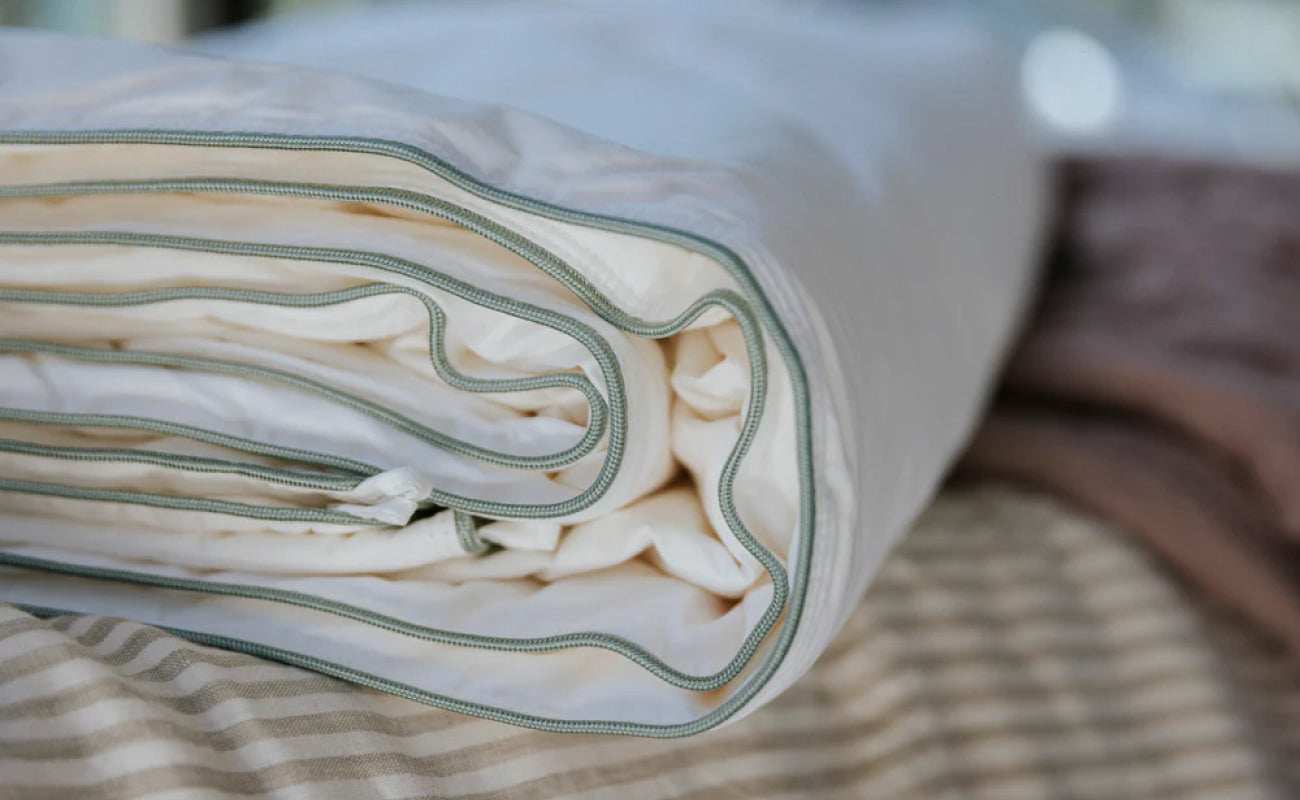
Before use, linen bedding tends to feel crisp, lightly textured and weighty in a reassuring way. Not stiff in the unpleasant sense, but structured. It has a dry hand-feel that signals natural fibre rather than synthetic smoothness. The weave is visible, the surface has subtle variation, and the bed looks more considered the moment it is made.
For anyone used to cotton sateen or brushed microfibre, this will feel different enough and immediately noticeable. Linen does not have that slick, polished finish. Instead, it sits on the bed with a more effortless drape and a slightly mat appearance. That is often exactly why people choose it, because the look is quieter, more relaxed and less fussy.
After a few washes, the texture settles, the fibres loosen, the fabric becomes more supple, and the surface develops that soft, lived-in finish people often associate with premium linen. The structure remains, but the initial crispness gives way to ease. Instead of feeling new, it starts to feel familiar.
What changes after washing and regular use
The most noticeable difference in linen bedding before and after regular use is softness. Quality linen becomes softer without losing integrity. It does not simply wear down - it refines.
This happens because flax fibres respond well to washing and movement. Over time, the fabric relaxes and the bedding sits closer to the body. Pillowcases become smoother against the face. Sheets feel less structured and more fluid and duvet covers gain a relaxed drape that looks elegant without trying too hard.
There is also a visual change. Fresh linen can appear slightly more tailored at first, while washed linen looks fuller and more natural. The creasing becomes part of the finish rather than something to correct. For many bedrooms, that is a design advantage. linen brings softness to the room visually as well as physically.
Colour can shift slightly too especially when colour comes from natural dyes, though with well-made linen this is usually subtle. Deep tones may soften a touch after repeated washing, and lighter shades often take on an even more natural, airy quality. It is less about fading and more about the fabric settling into itself.
Before and after sleep: comfort across the seasons
The other part of the before and after conversation is about how linen performs once you start sleeping in it every night.
On first use, linen feels cool and breathable. That immediate freshness is one of its strongest qualities, especially in Australian homes where warm nights can linger well beyond Summer. Linen allows airflow and does not cling in the same way denser fabrics sometimes do.
After extended use, that breathable comfort remains, but the bedding also becomes softer and more insulating in a gentle way. This is where linen can surprise people. It is often discussed as a warm-weather fabric, yet good linen works beautifully year-round. In summer, it feels light and airy and in cooler months, its natural weight and breathability still feel comforting rather than cold.
However, preference matters. If you love an ultra-silky finish, linen may always feel more textural than sateen. If you want a bed that feels crisp but not polished, relaxed but still elevated, linen then makes more sense. The trade-off is simple - less shine, more depth. Less slickness, more character.
Why premium flax linen ages better
Not all linen bedding changes in the same way. Fibre quality matters, weave matters, and finishing matters. Premium flax linen usually starts from a stronger base, which means the softening process feels more refined over time rather than patchy or thin.
European flax in particular is valued for consistency, durability and a more beautiful hand-feel as it ages. Better fibres are less likely to feel brittle, loose shape or pill excessively. They hold their structure while still becoming softer.
This is one reason customers often describe linen as an investment rather than an impulse buy. The bedding you sleep in month after month should improve with use, not peak on day one and decline from there. That slow transformation is part of what gives linen its lasting appeal.
The visual before and after in your bedroom
There is a styling element here that should not be overlooked. Linen bedding changes the mood of a room long before it has fully softened.
At first, it brings texture. A bed made in linen looks layered, calm and slightly undone in the best way. It has enough body to create shape, and enough movement to avoid feeling rigid. This suits interiors that lean minimalist, coastal, modern or quietly traditional.
After months of use, the look becomes even more relaxed. The folds soften. The duvet sits more naturally. The entire bed feels less styled and more lived in, while still looking elevated. For many people, that is the ideal balance - a bedroom that feels designed, but never overly arranged.
This is where a brand such as bedtonic speaks clearly to a certain way of living. Linen is not only a bedding choice - it becomes part of the atmosphere of the home.
How to care for linen so the after is better than the before
Linen does not need complicated care, but it does respond well to a little restraint. Wash it in cool or lukewarm water with a mild detergent. Avoid harsh bleach and heavy chemical softeners, which can coat the fibres rather than allowing them to soften naturally.
Line drying is ideal when possible, though low-heat tumble drying can help encourage softness. Overdrying is where problems tend to begin. Linen prefers a gentler approach and if you remove it while still slightly soft to the touch, it tends to settle beautifully.
There is no need to iron everything unless you prefer a sharper finish. Most people choose linen precisely because it looks best with a little ease - let the texture do the work!
Washing before first use is also worth it as that initial wash begins the softening process and helps the bedding feel more settled from the start.
Common expectations, and where people get caught out
The most common misunderstanding is expecting linen to feel buttery smooth straight away. Some ranges are pre-washed and softer on arrival, but even then, linen usually reveals its best qualities over time. If you expect immediate silkiness, you may misread its texture in the first week.
Another point is weight. Linen can feel slightly heavier in the hand than cotton, yet that does not mean it sleeps hot. In fact, the opposite is true. The fabric has substance, but it remains breathable making it thermoregulating.
Shrinkage is another concern people often raise. With proper care, some initial settling is normal, especially after early washes. However, well-made bedding is generally designed with this in mind and following care instructions matters more with linen than trying to outsmart the fabric.
And yes, creasing is part of the picture! For some, that is the entire charm, while for others, it takes some adjusting to. If you prefer a perfectly pressed hotel-bed look every day, linen may feel too relaxed. However, if you are after softness, texture and ease, then linen tends to feel exactly right.
Is the before and after worth it?
For the right sleeper, absolutely. Linen bedding is one of those rare home essentials that becomes more enjoyable the longer you own it. The early texture, the gradual softening, the way it settles into daily life - all of it adds up to a more personal kind of luxury.
It is not a fabric that performs through surface polish. It wins on feel, breathability, longevity and the quiet beauty of natural fibres used well. The before has presence. The after has comfort and depth.
If you are considering linen bedding, it helps to think beyond the first touch. The real value appears a few washes in, when the bedding starts to drape more easily, feel softer against the skin and look as though it belongs exactly where it is. That is when linen starts to show its full character, and why so many people never go back.



Leave a comment
This site is protected by hCaptcha and the hCaptcha Privacy Policy and Terms of Service apply.