



Linen Bedding for Sensitive Skin
If your nights are interrupted by heat, prickling fabric or irritation you cannot quite place, linen bedding for sensitive skin is worth considering for its breathable, naturally relaxed feel.
Linen is not a treatment for skin conditions, and no fabric can replace advice from your health professional, but the material against your body for seven or eight hours each night matters. The right bedding can reduce some of the everyday friction, warmth and product residue that make a sensitive complexion or body feel less comfortable.
Why linen can suit sensitive skin
Linen is made from flax, a natural fibre valued for its airy structure and distinctive, lived-in texture. It allows air to circulate more freely than many dense, synthetic fabrics, helping create a sleep environment that feels less stifling when the room is warm or your body temperature shifts overnight.
For sensitive skin, that breathability can be especially appealing. Sweat and heat can make skin feel more reactive, particularly across the neck, chest, back and face. Linen is absorbent and quick to release moisture, so it feels dry and fresh rather than close and clammy. This is not a promise that irritation will disappear, but it can be a more comfortable starting point than polyester-rich sheets or heavily finished fabrics.
Its texture also changes with use. Good flax linen softens with every wash, developing a supple hand-feel without losing its character. Rather than the glossy, uniform surface of sateen, linen has a gentle grain and a softly rumpled finish. Many sleepers find that relaxed surface less oppressive, especially in warmer Australian homes.
Natural fibre is only part of the picture
“Natural” does not automatically mean suitable for every person. Sensitive skin can react to dyes, finishing agents, fragranced laundry products and even a detergent that has been tolerated for years. A linen sheet set made from pure flax is a considered choice, but how it is coloured, washed and cared for remains part of the equation.
Choose 100% linen where possible, rather than a linen blend with synthetic fibres. Blends may be less expensive or feel smoother straight from the packet, yet they can hold warmth differently and do not offer linen’s full breathable quality. Pure linen also has the benefit of becoming more comfortable over time, making it a fabric chosen for years rather than a single season.
What to look for in linen bedding for sensitive skin
Start with fibre quality and clarity. Look for bedding described simply and honestly as 100% flax linen. European Flax® Certified linen offers additional confidence around the origin of the fibre, with flax grown in Western Europe. It is a useful marker for those building their bedding collection around material quality rather than marketing language alone.
Colour deserves a little thought. Undyed, white, oat, natural and soft neutral tones are often a sensible place to begin if you know your skin is highly reactive, as they generally involve fewer colour considerations. That said, quality dyed linen can still be an excellent option. If a deep charcoal, olive or terracotta shade is the colour that makes your bedroom feel like home, there is no need to rule it out automatically. Wash it before first use and pay attention to how your skin responds.
Avoid bedding that relies on a strong added fragrance to signal freshness. The clean scent of newly washed linen is enough. Fabric softener is rarely necessary for linen and can leave a coating on fibres, which may be unwelcome for sensitive skin. It can also reduce the naturally absorbent feel that makes linen so appealing.
Thread count is less useful here than it is often made out to be. Linen is measured differently from cotton, and an impressive number does not tell you whether the cloth will feel soft, breathe well or last beautifully. Focus instead on pure flax composition, considered construction and a weight that feels right for your bedroom. A lighter linen is especially lovely through humid summers; a slightly weightier weave has more presence through cooler months.
The feel of linen: a worthwhile trade-off
Linen is not the silkiest fabric on the first night. Those who prefer an entirely smooth, slick surface may find freshly made linen more textured than expected. Its charm is in the softening process: it becomes more pliable, more inviting and more personal with each wash.
That texture is precisely why some people love it, while others need time to adjust. If your sensitivity includes a strong aversion to texture, start with linen pillowcases or a fitted sheet before committing to a complete set. Your pillowcase is also a practical first piece, because it places the fabric directly against facial skin and can be laundered frequently.
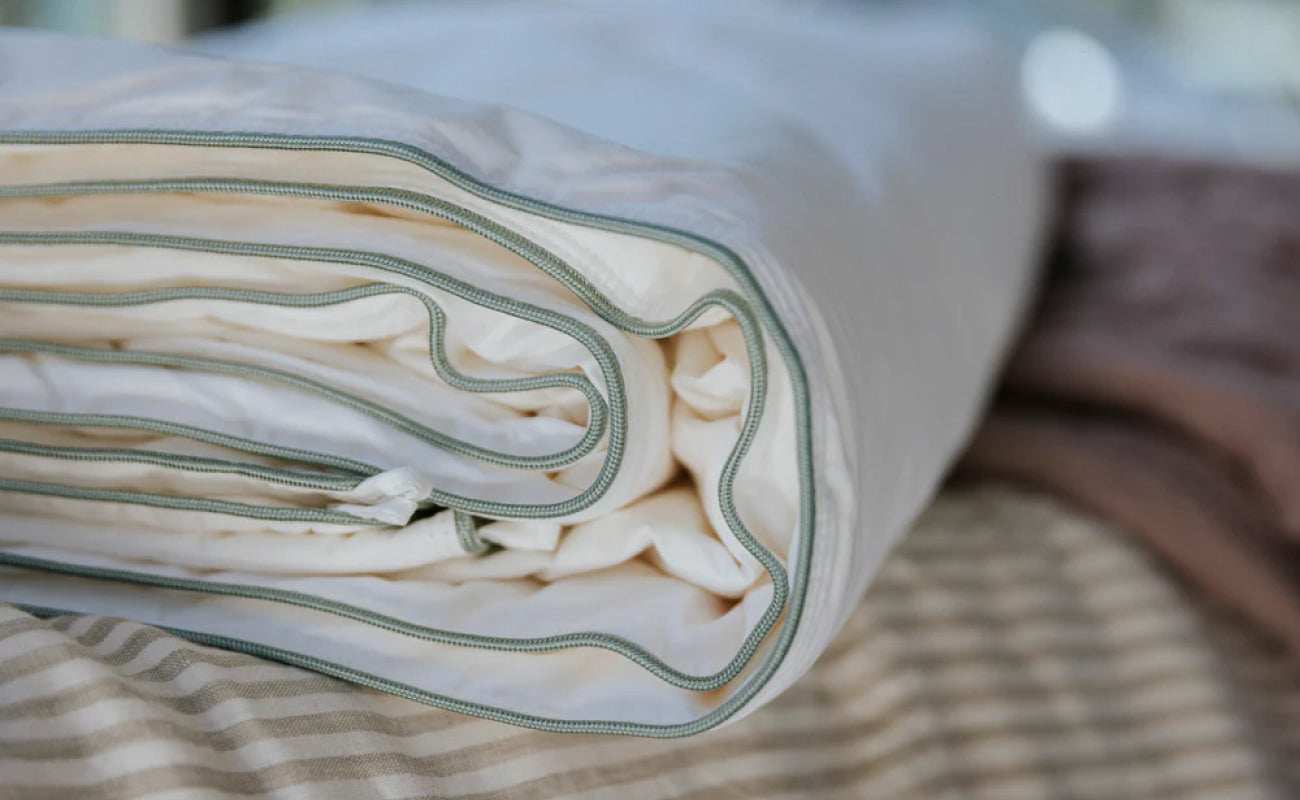
For a balanced bed, pair linen sheets and pillowcases with a lightweight quilt or doona insert suited to the season. Breathable bedding works best when every layer supports temperature comfort. A heavy synthetic cover over linen sheets can undo some of the cool, airy quality you were seeking.
Washing linen without unsettling your skin
A thoughtful wash routine matters as much as the fabric itself. Before sleeping in new linen, wash it once to remove any dust from packing or handling and to begin the softening process. Use a mild, fragrance-free detergent if your skin is prone to irritation, and skip fabric softener and scented laundry boosters.
Wash sheets regularly, usually once a week, or more often during hot weather, illness, periods of night sweating or active skin flare-ups. Keep the wash cool to warm rather than hot, following the care label. Excessive heat can be hard on fibres and is rarely needed for everyday care.
Do not overload the machine. Linen benefits from room to move through the water, allowing detergent to rinse away properly. If you suspect residue is contributing to discomfort, choose an extra rinse cycle. This small adjustment can make a noticeable difference for people who are sensitive to fragrances or cleaning products.
Line drying gives linen a beautifully fresh feel and helps preserve the fibre. In the intense Australian sun, turn deeper colours inside out and avoid leaving them out longer than necessary. A low tumble dry is also suitable when you want extra softness or are short on drying space. Take linen out while it is still slightly damp, smooth it with your hands, then let it finish drying naturally for a relaxed finish.
Keep the bed itself simple
If your skin is unsettled, simplify the layers closest to it. Use a clean fitted sheet, pillowcases and a breathable cover, then introduce throws, decorative cushions and scented room products with care. Even a beautiful bedroom can become overstimulating when every element has a fragrance, finish or different texture.
It is also worth looking beyond sheets. Pillow protectors, mattress protectors and doona covers can all influence how warm the bed feels. Choose breathable materials where they sit close to the body, and wash them often enough that skincare, hair products and perspiration do not build up unnoticed.
Building a calmer linen bed
The most successful bedding choices are often quiet ones. Begin with a fitted sheet and pillowcases in a colour that makes the room feel restful, then add a flat sheet or doona cover when you are ready. Linen does not need to be matched perfectly to look refined. Soft stone, white, flax, cloud blue and muted earthy shades create depth without making the bed feel over-styled.
At Bedtonic, European flax linen is designed around this kind of everyday ease: considered texture, enduring softness and a finish that becomes better lived in. The aim is not a precious bed that stays untouched, but one you want to fall into at the end of the day.
Pay attention to the first few weeks rather than judging linen after one wash. Notice whether you sleep cooler, whether your pillowcase feels comfortable against your face, and whether your laundry routine is leaving the fabric clean without fragrance or residue. Sensitive skin often responds best to consistency.
A well-made linen bed is a small, tactile form of care. Keep the fibres pure, the wash routine gentle and the layers uncomplicated, and let softness build quietly night after night.


Leave a comment
This site is protected by hCaptcha and the hCaptcha Privacy Policy and Terms of Service apply.