


Bedding Trends Shaping More Restful Bedrooms
Styling up your bedroom rarely means adding more things. It needs the right layers: breathable fabric against the skin, colour that settles the room, and texture that looks better after a slow Sunday morning. The most enduring bedding trends are less concerned with a perfectly styled bed and more interested in how it feels to live with one.
For Australian homes, that shift makes sense. Our bedrooms can move from humid nights to crisp mornings within a season, and bedding has to meet the moment. Natural fibres, relaxed finishes and thoughtful colour are defining a quieter, more personal approach to the bed.
Bedding trends favour natural texture
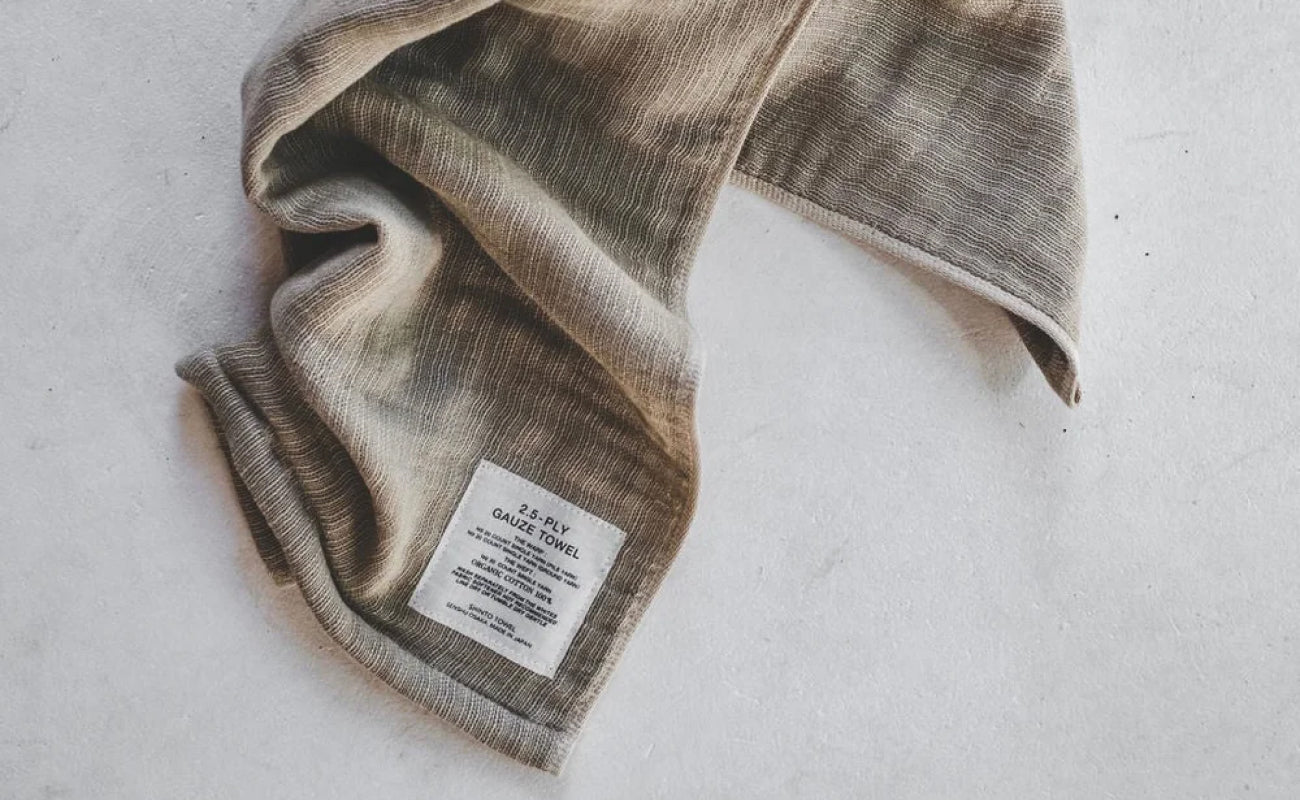
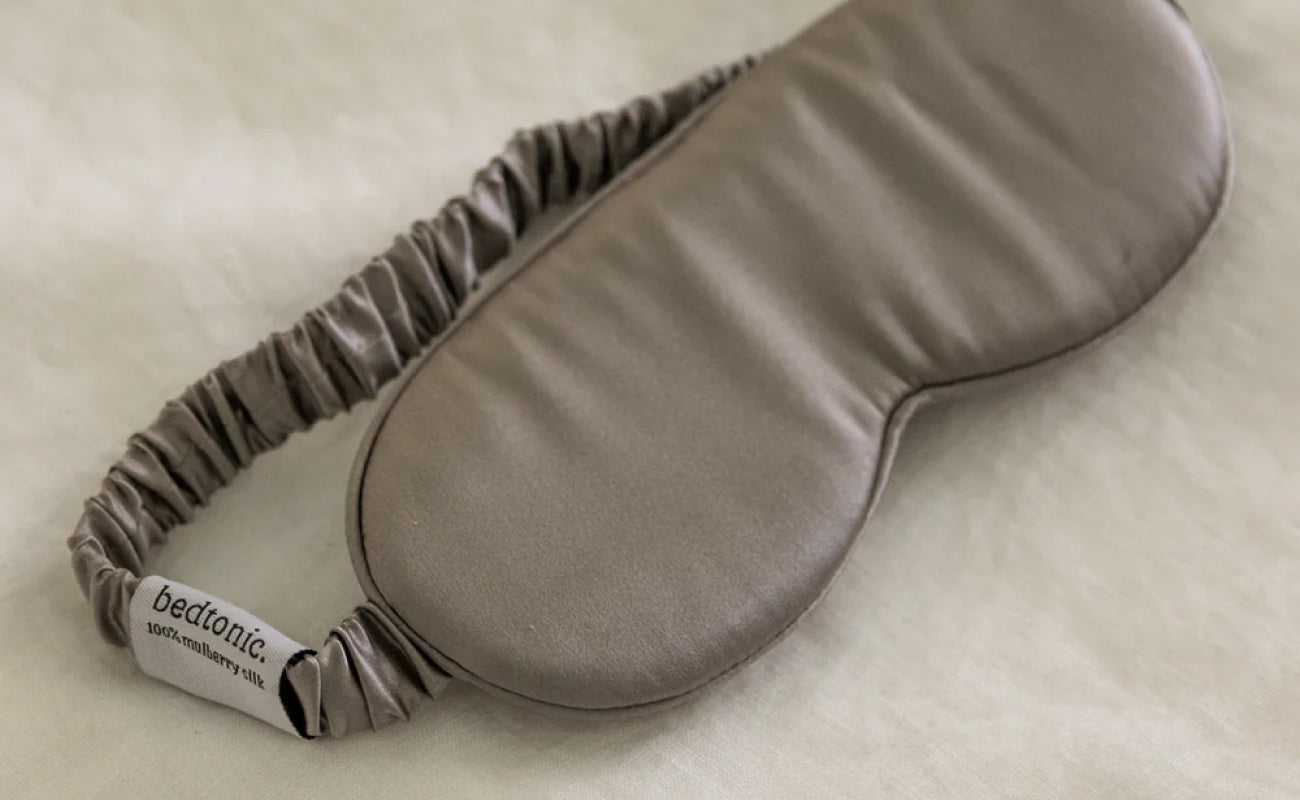
The return to natural fibre bedding is not simply aesthetic. Linen, cotton, wool and silk each bring a distinct feel and function, and people are becoming more deliberate about what sits closest to their skin for eight hours a night.
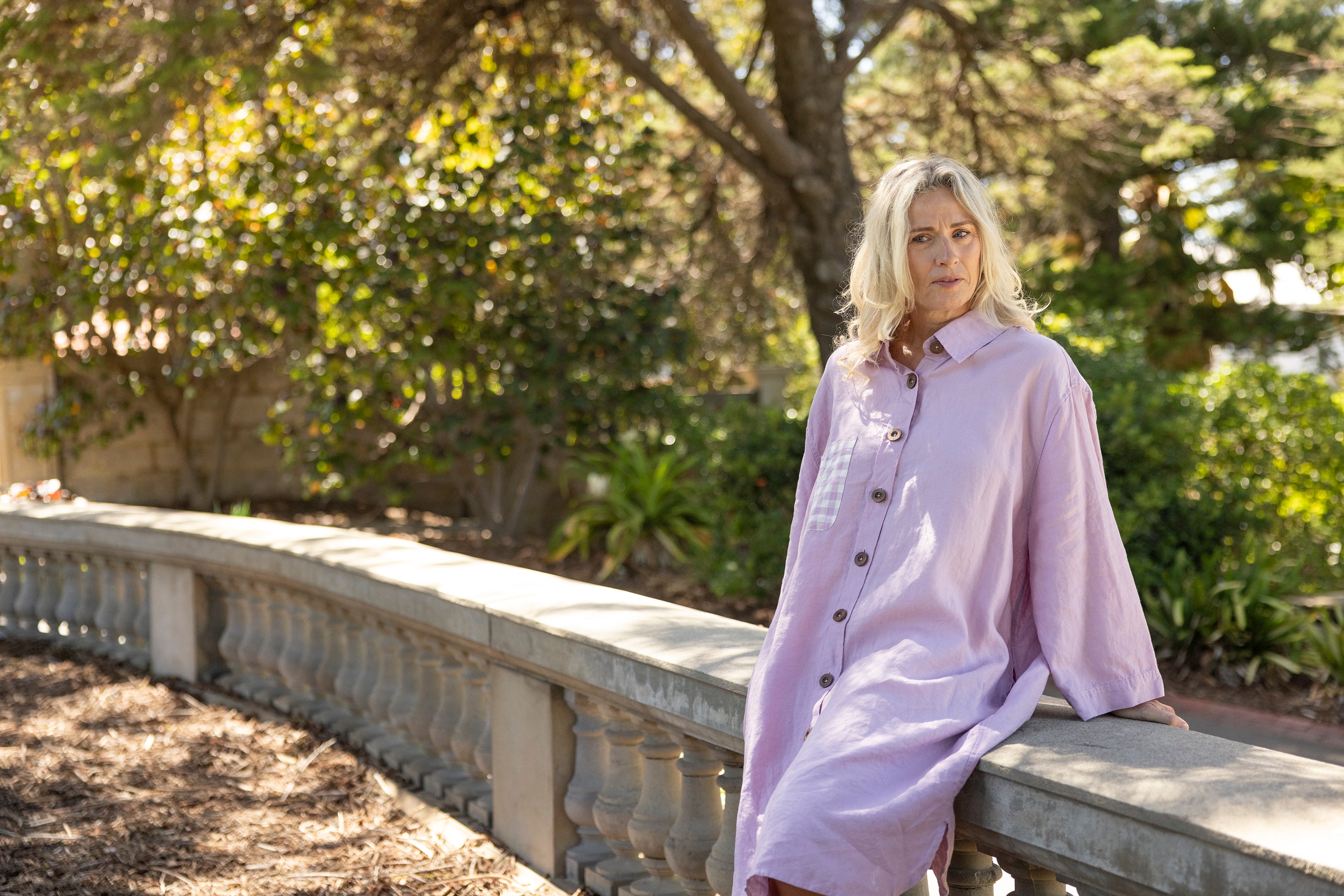
Linen remains a defining choice because it is breathable, absorbent and unmistakably tactile. Its gentle creasing is part of the appeal: a linen bed feels composed without looking overly arranged. Rather than chasing a crisp, hotel-like finish, the current preference is for softness with character - fabric that has movement, depth and a lived-in ease.
Pure flax linen is especially suited to the Australian climate. It allows air to circulate in warmer weather while offering a comfortable, weighty layer when the temperature drops. It also becomes softer over time, which changes the value proposition. A well-made set is not intended to look brand-new forever; it is intended to become more familiar and comfortable with every wash.
There is a trade-off. Linen has a naturally rumpled finish and may feel more textured than cotton at first. If you prefer a very smooth, polished bed, a percale cotton sheet may be a better fit. But for those drawn to a relaxed bedroom with depth and warmth, linen rewards a little patience.
Soft colour is replacing the all-white bed
White bedding will always have a place. It is clean, versatile and easy to build around. Yet the strongest movement is towards softened colour: hues that create atmosphere without turning the bed into the focal point of the room.
Think oat, flax, stone, warm grey, clay, faded blue, olive and muted rose. These shades sit comfortably with timber, ceramic, brushed metal and natural light. They also make the bed feel less formal, particularly when paired with similarly tonal sheets and pillowcases.
The key is restraint. A tonal bed can include several colours, but they should feel related rather than matched exactly. Start with a neutral fitted sheet, bring in a slightly deeper flat sheet or duvet cover, then finish with pillowcases in a complementary shade. The result is layered, not busy.
Deeper colours work beautifully too, especially in rooms with strong daylight. Charcoal, forest green, tobacco and inky blue add intimacy and can ground a pale bedroom. They do, however, show lint and fading more readily than mid-tones, so consider how much direct sun reaches the bed and follow care instructions closely.
Build a palette around the room, not a passing shade
A colour trend is worth adopting only when it belongs in your home. Look first at the elements that are not changing soon: flooring, curtains, wall colour and larger furniture. Bedding should connect those pieces rather than compete with them.
This is why earth-led shades continue to endure. They work across seasons and make it easy to refresh the room with a different throw, a striped pillowcase or a new bedside object. The bed remains calm while the details can shift.
The relaxed bed is carefully layered
A relaxed bed is often mistaken for an unmade one. The difference is intention. Current styling favours fewer, better layers that invite you in rather than creating a display you hesitate to disturb.
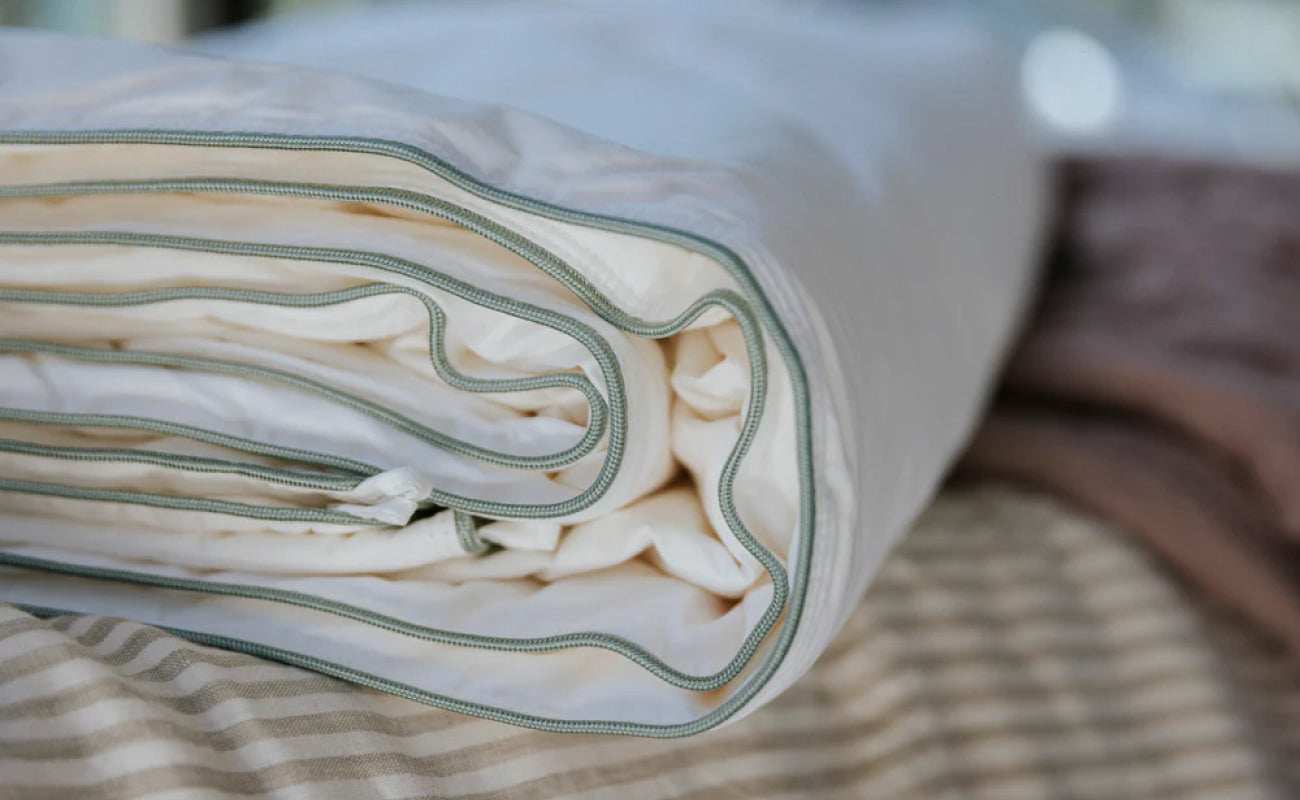
Begin with sheets that feel good enough to use on their own through summer. Add a duvet in a cover with enough texture to stand on its own, then place a blanket or coverlet across the lower third of the bed for warmth and visual weight. Two sleeping pillows per person are usually enough. A single decorative cushion or lumbar pillow can add shape without creating nightly clutter.
This approach is practical as well as polished. A lightweight blanket is easy to pull up on a cool night, while a linen duvet cover can be adjusted throughout the year. In warmer parts of Australia, a breathable doona insert and linen layers may be all that is needed for much of the year. In cooler homes, add wool or a heavier throw rather than relying on one overly warm layer.
The bed should respond to your routine. If you make it in two minutes before work, choose a styling approach that still looks good with a quick shake and fold. If spare cushions always end up on the floor, leave them out. Ease is the luxury.
Mixed bedding sets feel more personal
Matching sheet sets offer certainty, but considered contrast is becoming the more expressive choice. Separates allow you to choose the colours, textures and layers that suit your room and sleep preferences.
A striped duvet cover with plain pillowcases, a clay fitted sheet under an oatmeal flat sheet, or a deep-toned duvet with natural linen pillows can all create a collected look. Keep one element consistent - similar undertones, the same fabric family, or a shared neutral - and the combination will feel deliberate.
This is also a more useful way to buy bedding. Pillowcases tend to need replacing sooner than duvet covers, and seasonal changes may call for different layers rather than an entirely new set. Choosing individual pieces lets the bed evolve gradually.
For a refined finish, avoid mixing too many competing patterns. One subtle stripe, check or woven texture is usually enough. Let the fabric do some of the visual work.
Sleep comfort is becoming part of the design brief
The best-looking bed loses its appeal if it sleeps hot, feels scratchy or requires complicated care. Bedding trends are increasingly shaped by performance: temperature regulation, washability, durability and the way fabric feels after repeated use.
That means paying attention to fibre content, not just thread count or a product photograph. Synthetic blends can offer a smooth appearance and a lower price, but they often lack the breathability and ageing qualities of natural fibres. For daily bedding, the feel of the material and the quality of its construction matter more than a headline number.
Linen is a considered investment, particularly when it is made from certified European flax. Look for clear information about the fibre, weave and care requirements. Good linen should feel substantial yet airy, with a softness that develops rather than disappears. Bedtonic’s focus on 100% pure flax linen reflects this preference for bedding that earns its place through daily use.
Care is part of longevity. Wash linen in cool or warm water with a gentle detergent, avoid heavy fabric softeners, and line dry where possible. A tumble dry on low can soften the fabric, but high heat may shorten its life. There is no need to iron every crease; the natural finish is the point.
A bedroom with room to breathe
The most relevant trend is not a particular colour or decorative flourish. It is the move towards bedrooms that feel less styled for display and more attuned to real rest. Fewer synthetic layers, more tactile comfort, and colours that make the room feel quieter at the end of the day.
Choose bedding with enough presence to shape the space, but enough practicality to be washed, slept in and loved without ceremony. When the materials are honest and the layers feel right, making the bed becomes a small daily ritual rather than another task.

Leave a comment
This site is protected by hCaptcha and the hCaptcha Privacy Policy and Terms of Service apply.