



Are Linen Sheets Good for Winter?
The first cold night of the season usually poses the question of whether your bedsheets will stand up to the cold. People often wonder: are linen sheets good for winter, or do you need something heavier? If you have only ever thought of linen as a summer fabric, the answer can be surprising. Good linen is exceptionally comfortable in winter - not because it traps heat like a synthetic fleece, but because it creates a more balanced kind of warmth.
That difference matters. Winter bedding works best when it keeps you warm without leaving you stuffy, clammy or awake at 3 am kicking the covers off. Linen does this well because it is breathable, naturally insulating and highly effective at managing moisture. Rather than overheating the bed, it helps maintain a comfortable sleep temperature through the night.
Are linen sheets good for winter or just summer?
Linen is often described as an all-season fabric, but that can sound vague until you understand how it behaves on the bed. Flax fibres have a hollow structure, which helps regulate temperature in changing conditions. In warm weather, that means airflow and breathability. In winter, it means the fabric still holds warmth while allowing excess heat and moisture to escape.
So yes, linen sheets are good for winter, especially if you prefer a bed that feels warm and fresh rather than dense and overly heated. They suit homes where temperatures shift overnight, and they are particularly appealing for sleepers who run warm even in colder months.
The idea that winter bedding must be thick to keep you warm is not always true. Linen has a lighter hand than flannelette or brushed cotton, yet it can still feel cosy because the warmth it offers is dry, breathable and stable. For many people, that makes for better sleep.
Why linen feels warm in a different way
The comfort of linen in winter comes down to restraint. It does not create the instant, fuzzy heat of heavily brushed fabrics. Instead, it softens around the body, holds a comfortable temperature and avoids the trapped, stuffy feeling some winter bedding can cause.
This makes linen especially appealing if your sleep is easily disrupted by overheating. A bed can feel warm when you first climb in, then uncomfortably hot an hour later once doonas, body heat and room heating all combine. Linen helps smooth out those fluctuations.
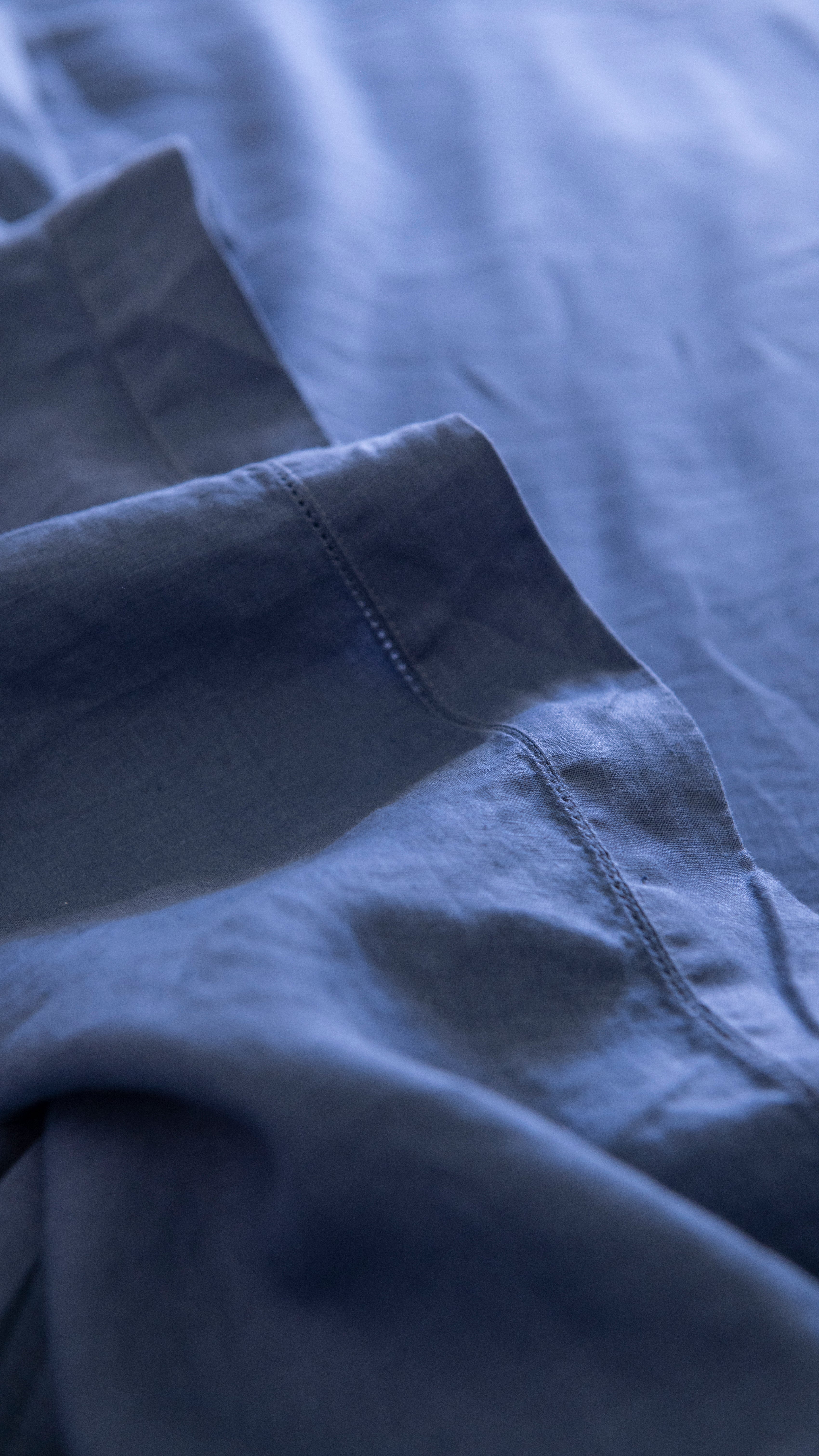
There is also the texture. Washed linen has a relaxed softness that feels inviting in cooler weather. It is tactile without being slippery, crisp without being stiff, and substantial without being heavy. That balance is part of its appeal in a winter bedroom, where comfort is as much about feeling as temperature.
Breathability still matters in winter
Cold weather does not cancel out the need for airflow. Most people still perspire during sleep, even when the room is cool. If your bedding holds onto that moisture, you can wake feeling damp or chilled.
Linen absorbs moisture well and releases it efficiently, which helps keep the bed feeling drier through the night. That is one reason it can feel more comfortable than synthetic blends or overly dense fabrics in winter. Warmth is important, but dry warmth is what usually feels best.
It works with the rest of your bedding
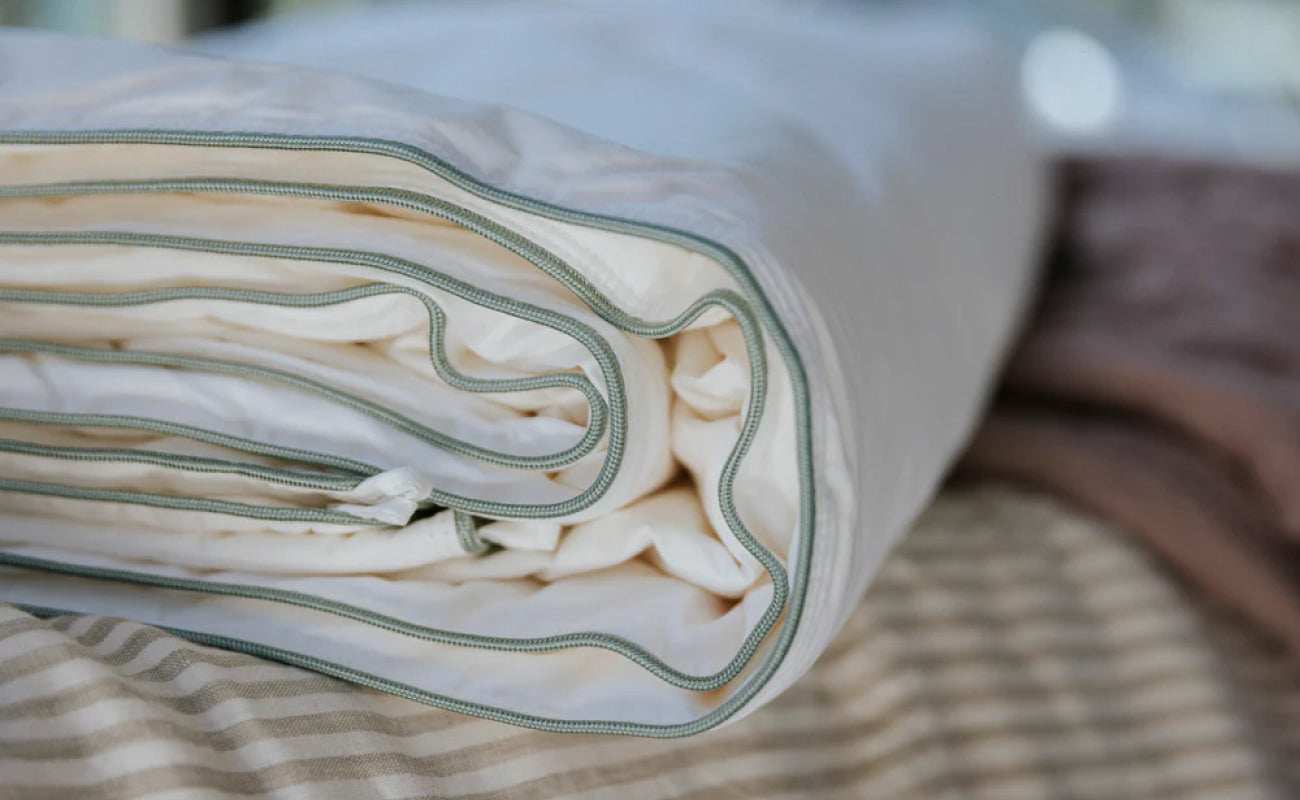
Linen is rarely the entire winter setup on its own. Its strength is that it layers beautifully with other natural materials. A linen fitted sheet and pillowcases paired with a quilted coverlet, a wool blanket or a silk-filled doona can create a bed that feels warm, breathable and refined at once.
That flexibility is one of linen’s strongest advantages. You can adjust the bed to the season without replacing everything the moment the temperature drops.
When linen sheets might not feel warm enough
There are a few cases where linen may not be your ideal winter choice, at least not on its own. If you live in a very cold climate, sleep in an unheated room, or prefer bedding that feels instantly toasty the second you get in, linen can seem understated at first.
This is usually a question of expectation, not performance. Linen does not have the brushed surface of flannel, so it will not deliver that same immediate plush warmth. It tends to warm with your body rather than overwhelm it from the outset.
For some sleepers, that is perfect. For others, especially those who feel the cold deeply, linen works best as part of a layered bed rather than the only winter element. In that case, the sheet set is not the problem - it simply needs the right supporting pieces.
How to make linen sheets feel cosy in winter
If you want linen bedding to work beautifully in colder months, the styling matters almost as much as the fabric itself. Winter comfort is usually built in layers.
Start with a quality linen fitted sheet and pillowcases. Add a substantial doona insert suited to the season, then consider an extra blanket or quilted throw over the top. Materials like wool, cotton waffle and silk all pair well with linen because they preserve breathability while adding warmth.
The finish of the linen also matters. Pre-washed flax linen tends to feel softer and more relaxed from the beginning, which makes it particularly inviting in winter. Better-quality linen will also soften further over time without losing structure, so the bed becomes more comfortable with use.
If your bedroom runs cold, think about the whole sleep environment. A rug underfoot, closed curtains and a well-chosen doona can make more difference than changing your sheets to a heavier fabric. Linen performs best when the room and bedding are working together.
Choose weight and quality carefully
Not all linen feels the same. Lower-quality linen can feel thin, coarse or loosely woven, which may reinforce the idea that linen is only for warm weather. Premium flax linen has a more substantial feel, a better drape and a softer finish.
That is why material provenance matters. European flax linen is often favoured for its quality, longevity and hand feel. When linen is well made, it does not read as sparse. It feels effortless, elevated and quietly luxurious - exactly what most people want from winter bedding.
Linen vs flannelette for winter
If you are deciding between linen and flannelette, the better option depends on how you like your bed to feel.
Flannelette is warmer on first contact. It has a brushed surface that gives instant softness and heat, which can be appealing on very cold nights. But it can also feel heavier, and for some sleepers, too warm once the bed heats up.
Linen is more breathable and versatile. It will not feel as fuzzy, but it tends to maintain a more even sleep temperature across the night. It also has a cleaner, more relaxed look, which suits a bedroom designed around natural texture and calm simplicity.
If your priority is immediate warmth above all else, flannelette may appeal. If you want winter bedding that feels breathable, refined and adaptable, linen usually has the edge.
Is linen worth it for winter if you want year-round bedding?
For many households, this is the real question. Investing in sheets that only work for a few months of the year is not always practical, no matter how good they feel.
Linen’s value is that it transitions beautifully across seasons. In winter, it layers well and regulates warmth. In summer, it stays breathable and cool. That makes it a thoughtful long-term choice if you prefer buying fewer, better pieces for the home.
It also brings a visual softness to the bedroom that suits every season. The relaxed texture, matte finish and natural drape feel especially at home in winter, when the bed becomes more of a retreat. There is a quiet luxury to linen that does not rely on shine or bulk. It simply looks lived-in, calm and considered.
For a brand like Bedtonic, that is part of linen’s enduring appeal. It is not only about temperature. It is about how the bed feels at the end of the day - easy, tactile and softly elevated.
The verdict on linen in colder weather
So, are linen sheets good for winter? In most cases, absolutely. They are warm in a breathable way, comfortable through temperature changes and ideal for layering with other natural fibres.
They may not be the best fit if you want an ultra-plush, instantly heated bed with no layering required. But for anyone who values softness, natural materials and a more balanced kind of warmth, linen is a strong winter choice.
The best winter bed rarely comes from one heavy fabric alone. It comes from texture, quality and thoughtful layering - and linen does that beautifully.


Leave a comment
This site is protected by hCaptcha and the hCaptcha Privacy Policy and Terms of Service apply.