


Is Flax Linen Scratchy at First?
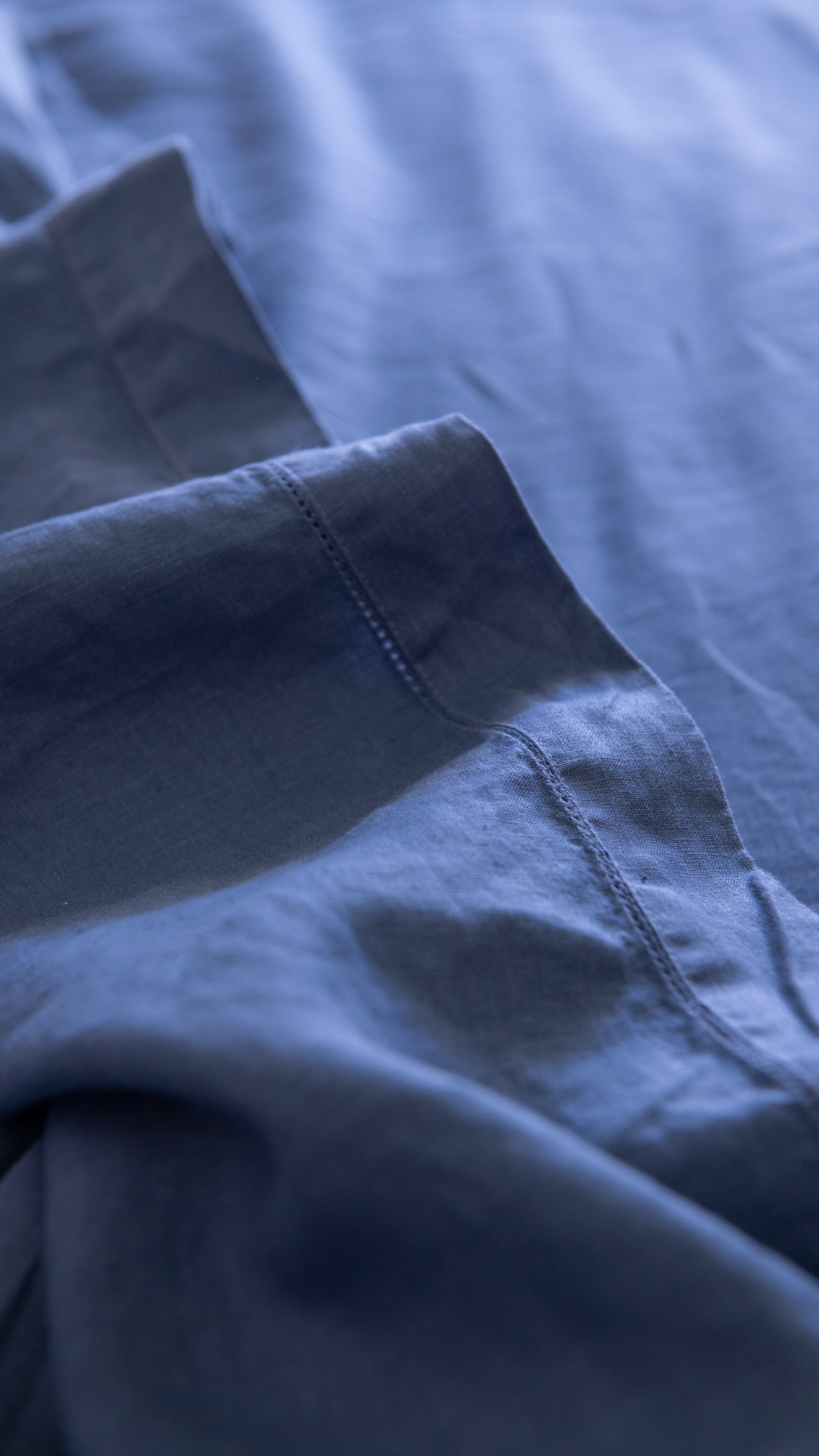
If you are used to smooth cotton or silky satin, new linen has a different hand feel - drier, more textured, a little more lived-in from the outset. So, is flax linen scratchy at first? Sometimes it can feel slightly crisp or grainy when it's brand new, but that's not the same as being harsh, poor quality, or uncomfortable long term.
That early texture is part of what makes flax linen so distinct - it's a fabric with character. Rather than being heavily processed to feel artificially slick on day one, pure flax linen begins with a natural structure and then softens beautifully through use, washing, and time. For many people, that evolution is part of the appeal.
Is flax linen scratchy or just textured?
The short answer lies in what you usually sleep in, and how the linen has been finished. High-quality flax linen should not feel coarse in a way that irritates the skin, but it can feel crisp at first. If your benchmark is brushed cotton, bamboo, or a heavily softened synthetic blend, linen will almost always feel more textured in comparison.
That difference comes from the fibre itself. Flax fibres are naturally thicker and stronger than cotton fibres, which gives linen its signature weight, breathability, and relaxed drape. In the early stage, before repeated washing and wear have softened the yarns, that structure is more noticeable.
It's also worth noticing quality distinctions. Well-made linen feels fresh and substantial without feeling rough. Lower-grade linen, or linen blended with inferior fibres, may feel genuinely abrasive, stiff, or uneven. A slight crispness is normal, however a scratchy, irritating finish is not something you should have to tolerate indefinitely.
Why new flax linen feels different
Linen is not designed to impress on the shelf only, it is valued for how well it settles into daily life. New flax linen often carries a cleaner, crisper finish because the fibres are still relatively compact and have not yet relaxed.
Several factors shape that first impression. The quality of the flax matters, as does where it is grown and how it is spun and woven. European flax is especially prized for its consistency and refinement. The weave density also plays a role. A tighter weave can feel smoother and weightier, while a looser weave may feel more casual and airy from the beginning.
Finishing methods matter too. Some linen is stone washed before it reaches you, which gives it a softer, more relaxed hand feel straight away. Other linen is less heavily pre-softened, allowing the fabric to develop naturally over time. Neither approach is inherently better - it simply comes down to the feel you prefer on the first night and how much you value that gradual softening process.
How long does linen take to soften?
This is where flax linen earns its reputation. Unlike some fabrics that peak early and decline quickly, linen tends to improve with use. After the first few washes, most good-quality linen feels noticeably softer and within a few weeks of regular sleeping, it usually becomes more supple, more fluid, and more comfortable against the skin.
That said, there is no exact timetable. A stone-washed set may feel soft from the start and become even more relaxed after a handful of washes. A more structured weave may take longer to reach that same softness, but it often rewards patience with a beautiful drape and long-lasting performance.
The softening is not a trick of surface treatment. It happens because the flax fibres gradually loosen and become more pliable without losing their strength. That is one of linen's quiet luxuries - it ages well.
What affects softness over time
Washing habits make a difference. Gentle laundering helps preserve the fibre while encouraging the fabric to relax. Overwashing on aggressive cycles, or exposing linen to high heat too often, can flatten the fibres rather than letting them soften naturally.
Water quality, detergent choice, and how often the bedding is used also influence the feel. Linen used every week will usually soften faster than a guest-room set that only comes out occasionally. Even your climate can play a role. In Australia, where warmer weather and airflow matter, linen often becomes a year-round favourite because it feels airy in summer yet still grounded and cosy in cooler months.
How to make flax linen feel softer sooner
If your new bedding feels a little firmer than expected, there are simple ways to help it along without compromising the fabric.
Wash it before first use, ideally on a gentle cycle with a mild detergent. Avoid fabric softener, which coats the fibres rather than improving them. Linen responds better to clean washing and regular use than to synthetic softening agents.
Drying matters as well. A low tumble dry can help relax the fibres, especially if you remove the linen while it is still slightly damp. Finishing it on the line or laying it flat can keep the texture soft without making it feel overly crisp. If you love that naturally rumpled look, there is no need to iron. If you prefer a smoother finish, a light press while damp will do.
Most importantly, use it. Linen becomes more comfortable through real life - sleeping in it, washing it, folding it, returning to it night after night. That is when the fabric develops the softness people come back for.
When scratchy linen is a sign of something else
If linen still feels genuinely scratchy after several washes, it may point to a quality issue rather than a normal break-in period. Shorter flax fibres, rougher spinning, or lower-grade finishing can all create a harsher feel that does not improve in the same way premium linen does.
This is where fibre provenance matters. Certified European flax linen is known for a more refined finish and better longevity, which translates into a softer experience over time. Construction matters too. Good linen bedding should feel balanced - textured, yes, but not brittle, papery, or prickly.
Skin sensitivity is another consideration. If you have very sensitive skin, even beautiful linen may feel more textured than your preference, at least initially. In that case, garment-washed or stone-washed linen is often the better choice. It retains the breathability and natural appeal of flax while arriving with a softer hand feel.
Is flax linen worth it if it is not perfectly soft on day one?
For many people, absolutely. Linen offers a kind of comfort that is less about immediate slickness and more about lived-in ease. It breathes beautifully, regulates temperature well, and gains softness without losing integrity. That balance is a large part of its appeal in the bedroom.
There is a practical side to this as well. Fabrics that feel ultra-soft straight from the shelf sometimes rely on intensive finishing that fades quickly. Linen takes a different path. It begins with substance and develops softness more naturally, which is why it often feels better after six months than it did in the first week.
For a design-conscious home, there is also the visual quality. Flax linen has depth, movement, and a relaxed matte finish that reads effortlessly elevated. It does not try to look perfect. It simply looks considered.
What to expect from quality flax linen bedding
When you invest in pure flax linen, expect texture first, then softness. Expect a fabric that feels breathable, substantial, and quietly luxurious rather than shiny or overly polished. Expect some variation too - no two sets feel exactly identical, because natural fibres have nuance.
At bedtonic, that is part of the point. Linen should feel honest, refined, and easy to live with. Not stiff for the sake of tradition, and not over-finished for the sake of first impressions.
If you are wondering whether to persist after the first touch, the answer is usually yes. Give flax linen a few washes, a little time, and regular use. What begins as texture often becomes the very thing you love most - softness with substance, and comfort that only gets better.


Leave a comment
This site is protected by hCaptcha and the hCaptcha Privacy Policy and Terms of Service apply.