



How to Layer Bed Blankets Beautifully
A well-made bed rarely comes down to one hero piece. It is the balance of weight, texture and drape that makes it feel inviting at first glance and comfortable well into the night. If you have been wondering how to layer bed blankets, the answer is less about piling on more items and more about choosing each layer with intention.
The most beautiful beds feel effortless, but there's actually a clear order to them. A breathable base, a soft middle layer and a finishing blanket with enough texture to add shape can transform both the look of the room and the way the bed performs through the seasons. When the materials are right, the whole bed feels lighter, calmer and more considered.
How to layer bed blankets with purpose
Start by thinking about the bed in three parts - what sits closest to the body, what provides adjustable warmth, and what gives the bed its finished appearance. This approach keeps the bed practical, rather than over-styled.
Closest to the skin, breathability matters most. Linen sheets create a dry, airy foundation that helps regulate temperature, which makes every blanket layered on top feel more comfortable. If the base traps heat or feels dense, even a well-styled bed can become too warm by midnight.
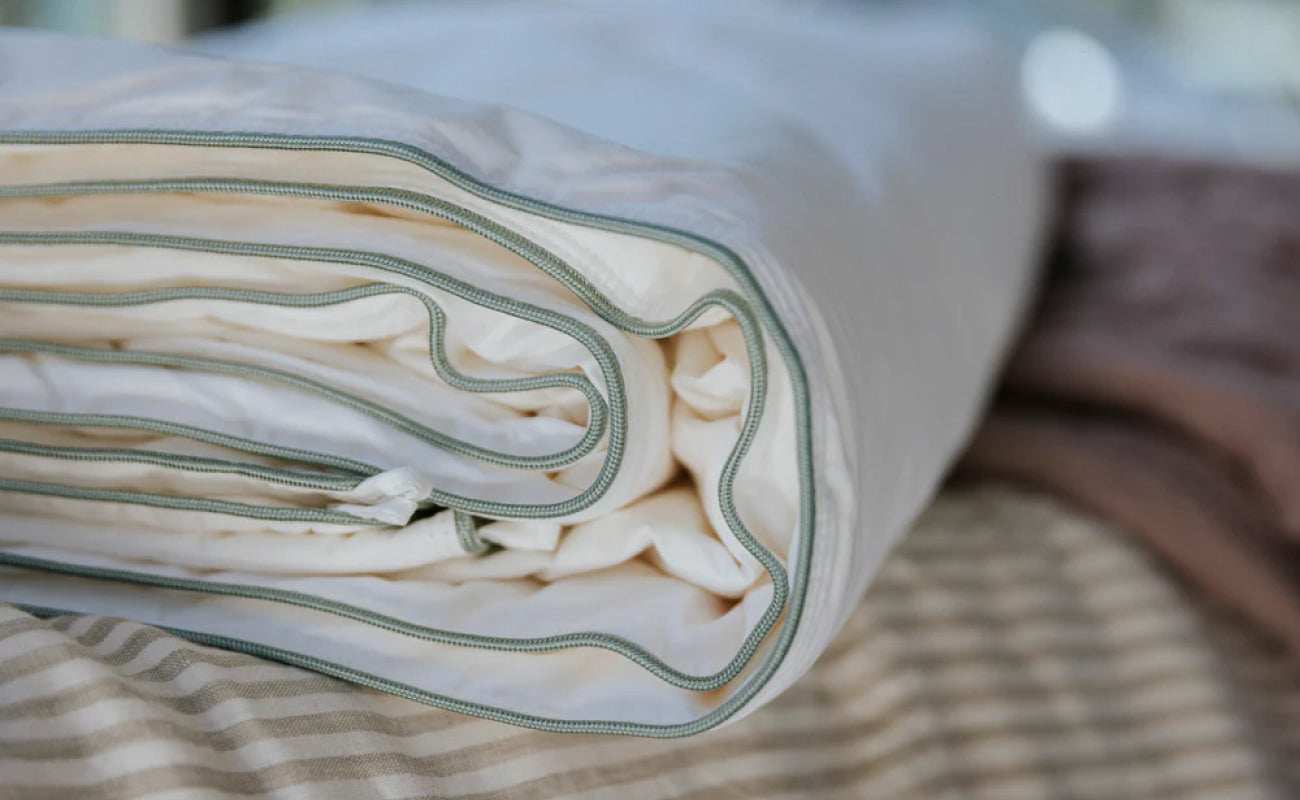
The next layer should do the quiet work. This is often a light blanket or coverlet that adds softness and insulation without bulk. It is the layer you will fold down, kick aside or pull up depending on the night, so it needs to feel easy rather than heavy.
The final blanket is where visual texture comes in. This might be a heavier linen blanket, a softly quilted layer or a relaxed throw placed across the foot of the bed. It gives the bed dimension and makes the room feel complete, but it should still earn its place in terms of comfort.
Begin with breathable foundations
When people think about blanket layering, they often focus on the top of the bed. In practice, the lower layers matter just as much as sheets affect airflow, warmth and how each blanket settles.
Pure flax linen is particularly suited to layering because it breathes well and softens over time. It has enough texture to stop the bed from looking flat, yet it still feels clean and understated. That natural grain also works visually with other layers, so the bed looks relaxed rather than stiff.
If you sleep warm, keep the base simple - fitted sheet, flat sheet if you prefer one, then a lightweight blanket. If you sleep cool, you may prefer a flat sheet under a quilted layer before adding a top blanket.
In much of Australia, the balance of warm and cool nights shifts across the year. A setup that feels perfect in July may feel excessive by October. That is why flexible layers work better than one very heavy blanket.
Choose weight before decoration
A common mistake is selecting blankets for colour or texture first, then discovering the bed feels cumbersome. Start with weight instead - ask whether you want the bed to feel light and airy, gently cocooning or deeply insulated.
For a lighter finish, choose one substantial blanket over several thin synthetic layers. It usually looks cleaner and feels more refined. For extra warmth, add a breathable insert or doona beneath a blanket rather than stacking too many decorative pieces on top.
Natural fibres also tend to perform better in layered beds because they release heat and moisture more effectively. That matters far more than a perfectly styled corner once you are actually asleep.
Build the middle layer carefully
The middle layer is often overlooked, but it is the one that makes the bed adaptable. It should bridge the gap between your sheets and your outer blanket without making the bed feel overfilled.
A soft blanket in linen, cotton or a light quilted finish works well here. It should be easy to fold back during the day and simple to adjust at night. If it bunches, slides or feels too stiff, the whole bed can start to feel fussy.
This layer is also useful aesthetically. It introduces a second texture and creates that slightly folded, lived-in look that makes a bed feel welcoming. Neutral tones are an easy choice, but tonal layering often looks richer than stark contrast. Think oat with ivory, charcoal with stone, or soft white with flax - the effect is quiet, not flat.
If your doona already provides enough warmth, the middle layer can be very light. In warmer months, it may even become the top layer. That flexibility is the reason it deserves more attention than it usually gets.
Finish with texture, not clutter
The top blanket should make the bed feel complete. It is the layer that adds character from across the room, but restraint is what keeps it elegant.
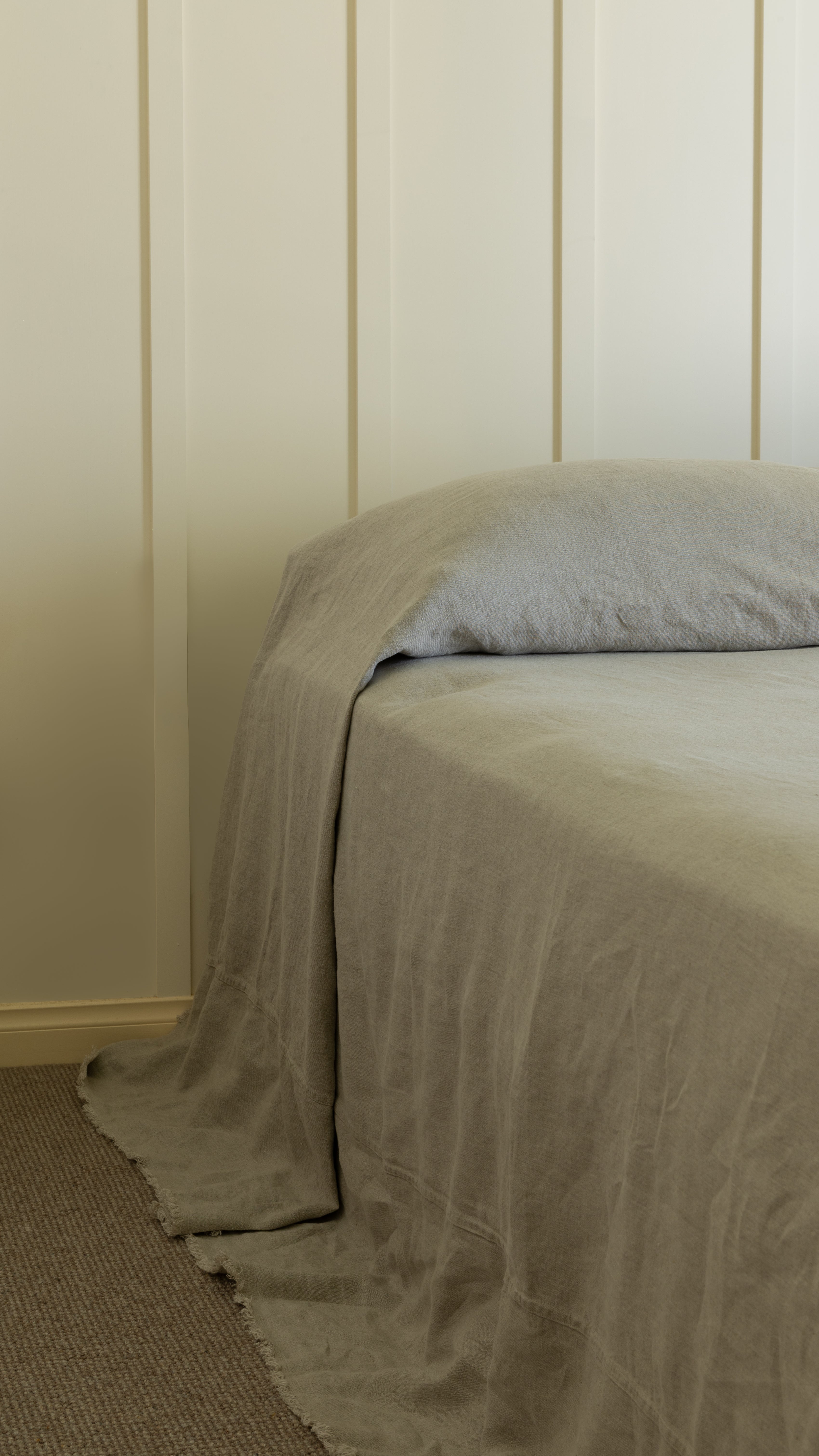
Rather than layering multiple throws, choose one blanket with enough presence to hold the bed visually. A relaxed linen blanket has a natural drape that softens the lines of the bed without looking overworked, whereas a quilted blanket offers a little more structure. The right choice depends on whether you want the room to feel airy or slightly more tailored.
Placement matters as much as material. You can pull the blanket all the way up for a fuller, more enveloping look, or fold it across the lower third of the bed for a cleaner finish. The folded approach is especially useful if your bed already has volume from a doona. It keeps the styling calm and avoids the sense that everything is competing.
How to layer bed blankets for each season
The easiest way to layer well is to think seasonally, especially in Australian homes where nights can vary more than expected.
In summer, keep it light. Linen sheets with a single lightweight blanket are often enough, with a throw at the foot of the bed if you like the extra texture. The bed should feel cool, easy and breathable.
In autumn and spring, this is where layering becomes most useful. A sheet set, a light doona or coverlet, and a textured blanket on top gives you room to adjust as the temperature changes overnight. You can fold one layer back without stripping the whole bed.
In winter, add warmth through quality rather than sheer quantity. Start with breathable sheets, then a doona or insulated middle layer, then a heavier blanket over the top or folded at the foot for extra warmth when needed. A silk-filled doona insert, for example, can add warmth without the weight that makes some winter beds feel too dense.
Keep the palette calm
Blanket layering is not only about warmth. It is also one of the easiest ways to make a bedroom feel more composed. The key is to let texture do some of the visual work.
A tightly matched set can look polished, but it can also feel flat if every surface is identical. Slight variation creates depth. Washed linen against a smoother quilted finish, or a heavier blanket over softer sheets, adds interest without relying on busy pattern.
Staying within a narrow colour family usually feels the most refined. Soft neutrals, warm greys, muted greens and earthy tones tend to layer beautifully because they highlight the natural character of the fabric. If you do want contrast, keep it deliberate. One deeper tone can ground the bed, while too many can make it look fragmented.
A bed should still feel easy to live with
The best layered bed is one you can remake in a minute and sleep in comfortably every night. If it takes too much arranging, then it is probably too complicated.
That is why fewer, better layers win. One breathable sheet set, one useful middle layer and one beautifully made blanket will almost always feel more luxurious than a pile of pieces chosen without a clear role. Premium bedding is not about excess - is about comfort that looks considered and lives well.
If you are building a layered bed from scratch, start small and pay attention to what you actually reach for. Most people learn quickly whether they need more warmth, more weight or simply better materials. Once those foundations are right, the styling tends to fall into place naturally.
Bedtonic approaches bedding in much the same way - softness in every layer, with natural fibres that look elevated and feel easy to live with. That is what gives a bed staying power, both visually and practically.
A beautifully layered bed should feel calm before you even get in. When each blanket has a purpose, the room feels lighter, sleep feels easier, and the everyday ritual of making the bed becomes something quietly worth keeping.


Leave a comment
This site is protected by hCaptcha and the hCaptcha Privacy Policy and Terms of Service apply.